
Last updated November 15, 2026
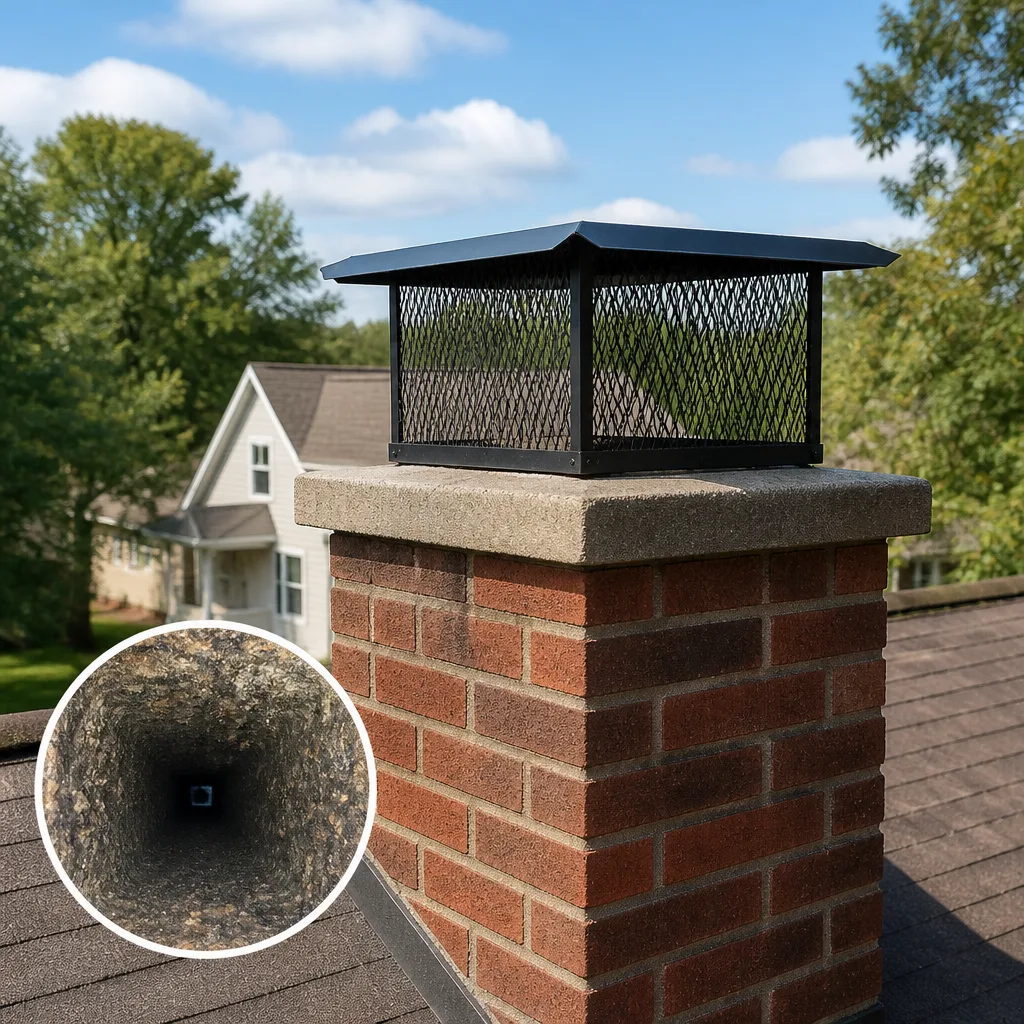 Sweep & inspection
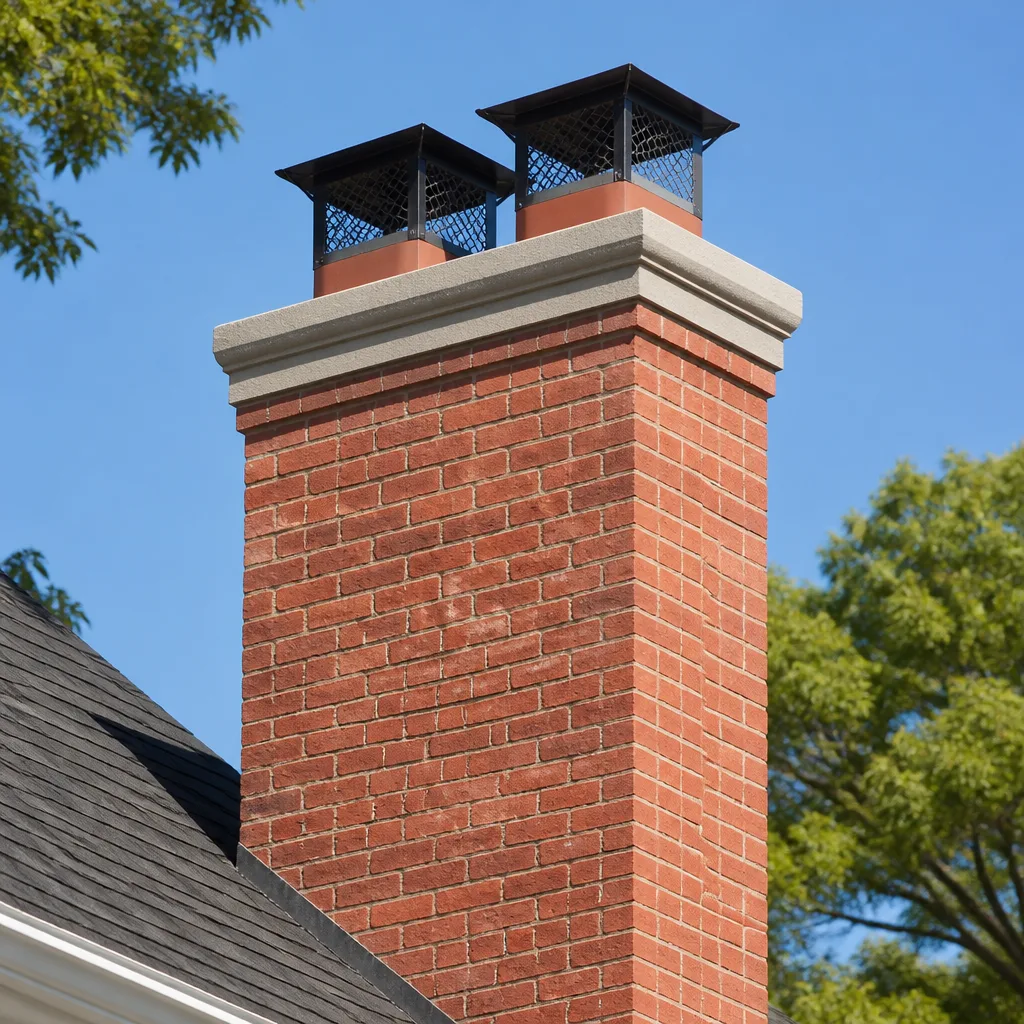 Caps & crowns
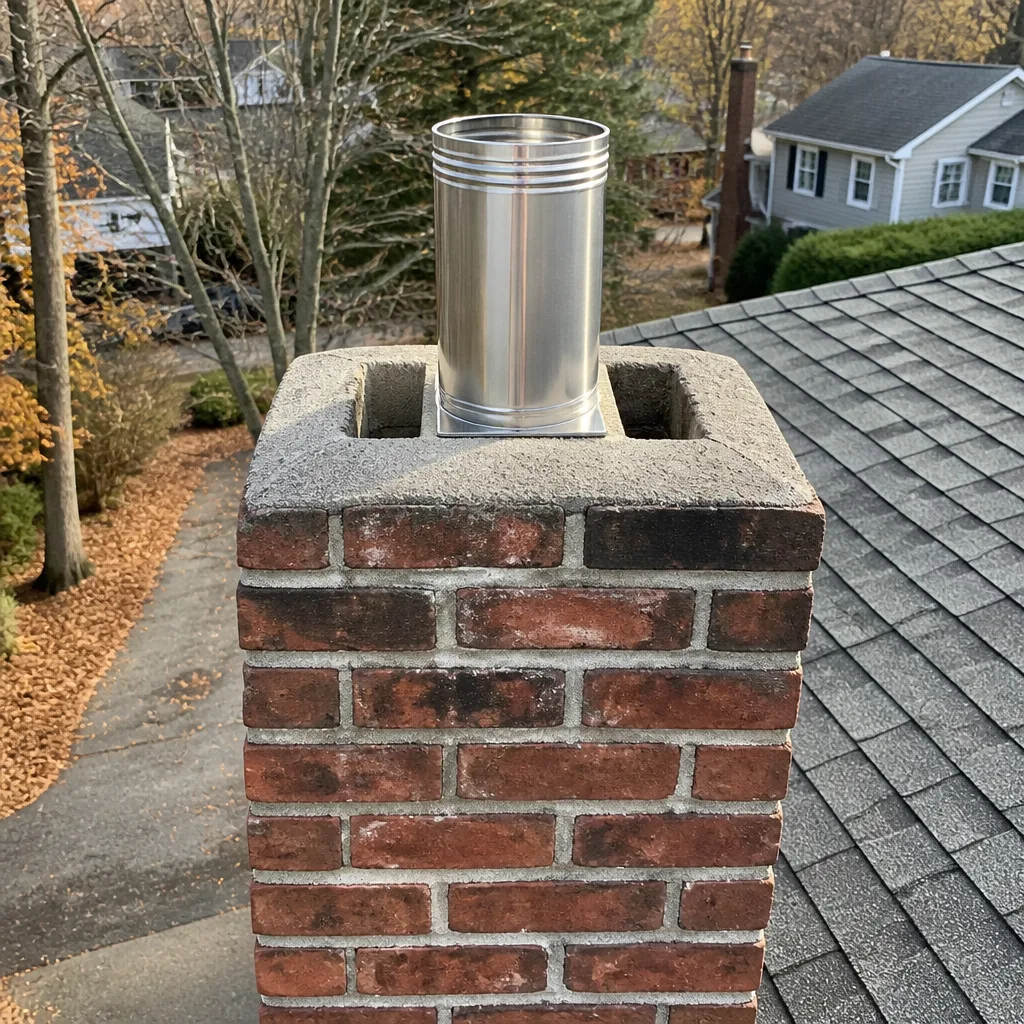 Flue relining
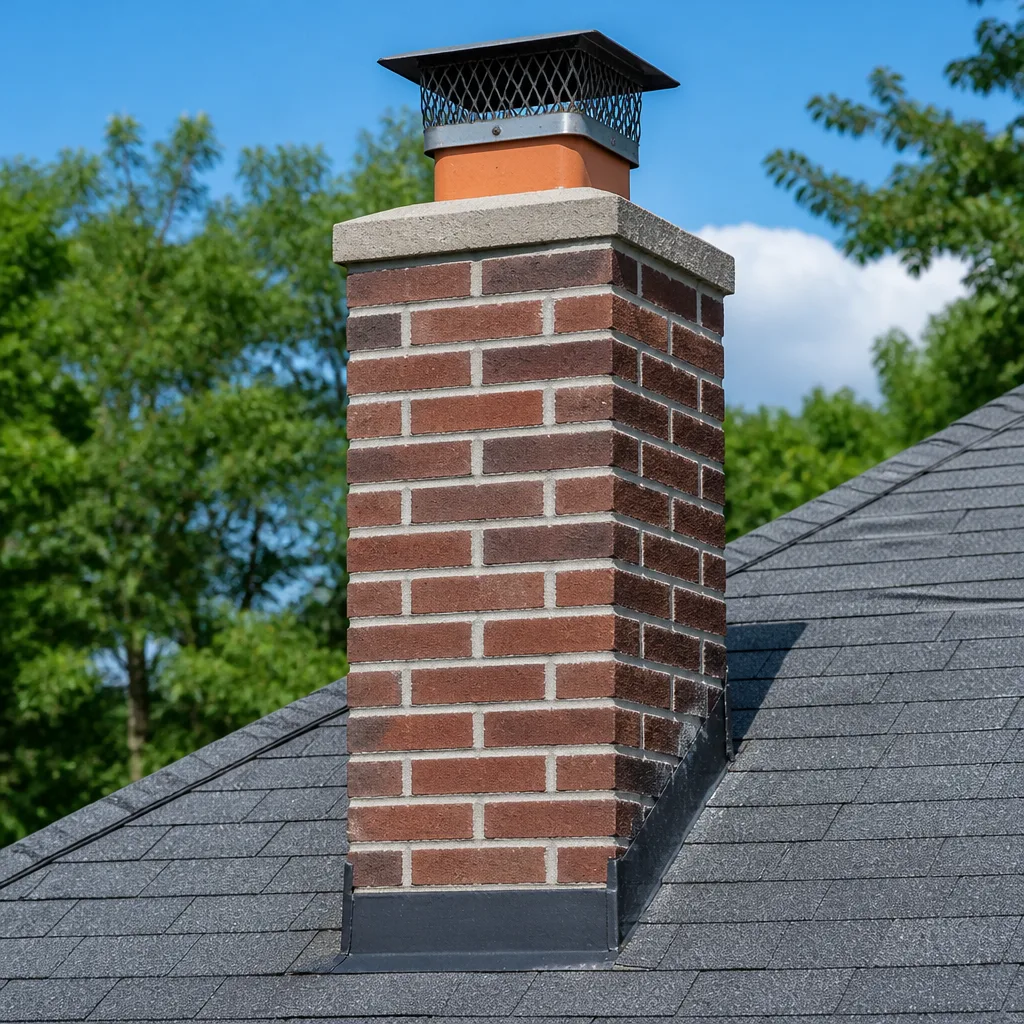 Masonry repair
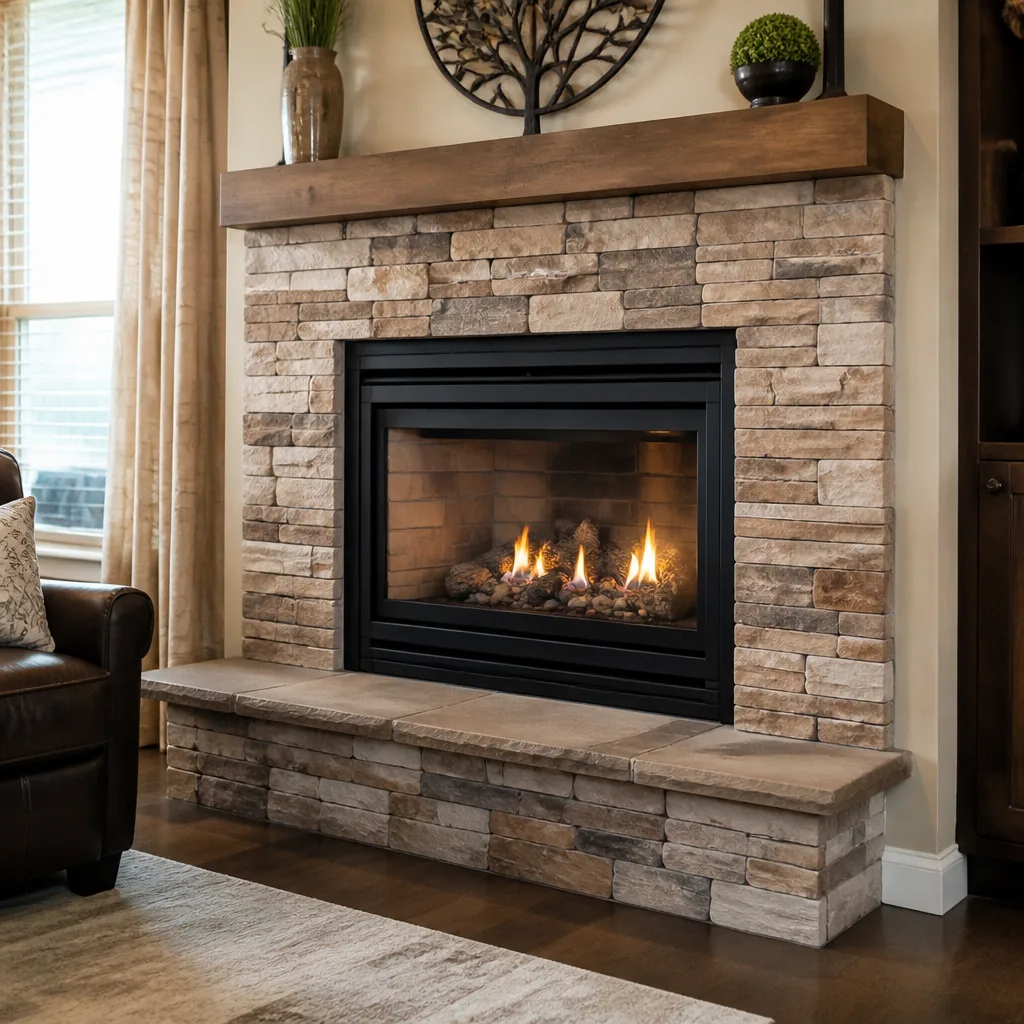 Gas fireplace service
Level 1 sweep and inspection to the NFPA 211 annual standard - flue, crown, cap, and flashing checked and photographed
Chimney sweep logs do not sweep chimneys. They loosen some creosote - which then falls where a brush and vacuum still have to collect it.
The Complete Guide to Chimney Cleaning in Carrollton
Most homeowners assume a chimney fire starts because the flue was dirty. The truth is stranger: the National Fire Protection Association reports that 27% of home heating fires are caused by chimneys that were “recently cleaned.” Cleaning without inspection misses the structural failures that actually start fires – cracked liners, failed mortar joints, caps that let water in. That’s the gap this guide fills. We’ll walk through why sweeping, inspection, and repair only work as a system, how Carrollton’s clay-heavy soil can crack a firebox from the outside in, and what a complete service appointment should actually cover. By the end, you’ll know exactly what to ask for.
Quick Answer
Chimney cleaning in Carrollton is really a three-part service: a sweep to remove creosote, a Level 1 inspection to check the flue, firebox, and cap, and repair work to fix anything the inspection finds. Skipping the inspection is the most common mistake we see – the flue can look clean while structural problems quietly build. A full appointment with a chimney sweep, inspection, and any needed chimney repair gives you a chimney you can actually trust.
Styles & brands we work with
- Sweep & inspection
- Caps & crowns
- Flue relining
- Masonry repair
- Gas fireplace service
Table of Contents
- Why Cleaning Alone Isn’t Enough
- The Carrollton Soil Factor
- What a Complete Service Appointment Covers
- Sweep-Only vs. Full-Service Specialist
- How Often Should You Clean?
- Documenting Your Chimney for Insurance
- What Cleaning Typically Costs
- Common Mistakes to Avoid
Why Cleaning Alone Isn’t Enough
A sweep clears creosote. An inspection finds what the sweep can’t see. Those are different jobs, and they protect you from different hazards. Creosote buildup is the classic chimney fire risk – a thick, tar-like deposit that ignites when flue temperatures climb. But the failures that cause chimney fires in “recently cleaned” flues are almost always structural: hairline cracks in the clay tile liner, gaps in the mortar between tiles, a firebox that has pulled away from the surrounding masonry.
None of that shows up on a brush. It shows up on a camera. Carbon monoxide is the other silent risk – a cracked liner can leak combustion gases into the home instead of venting them up and out. The only way to catch either problem is a Level 1 inspection performed at the same time as the sweep, with the technician looking at everything, not just the flue.
This is why we treat the chimney as a system. Sweep, inspect, repair – handled by one specialist who can see the full picture. When the person sweeping and the person inspecting are the same person, nothing falls between the cracks of a handoff.
You can read more about what a proper chimney sweep involves and what it should include.
The Carrollton Soil Factor
Carrollton sits on expansive clay soil. Clay swells when wet and shrinks when dry, and that movement is constant here across the seasons. Over years, the soil shifts slightly beneath a home’s foundation, and that shift transfers small stress loads into the masonry structure above – including the chimney and firebox.
What that looks like in practice: hairline cracks in the firebox brick, mortar joints that open up, and tiles in the flue that shift out of alignment. From inside the living room, the fireplace looks fine. From inside the flue, the picture can be different. That’s the “outside in” problem – damage that starts in the foundation and soil, travels up through the masonry, and only becomes visible when someone looks with a camera from the top and the firebox at the same time.
Not every Carrollton home has this issue. Clay movement is uneven, and a home built on a well-prepared pier-and-beam foundation may show nothing for years. But the age of the local housing stock matters too: neighborhoods built up in the 1970s and 1980s have clay tile liners that have been through decades of wet-dry cycles.
When our technicians inspect a Carrollton chimney, we’re looking at the firebox with this in mind – not just at creosote, but at the masonry itself. A firebox that’s pulled away from the surround, or mortar that crumbles when probed, tells us more than a clean flue ever will.
If that’s what we find, the answer is often chimney repair – and we’d rather know before it becomes a bigger problem.
What a Complete Service Appointment Covers
Here’s what a full chimney service appointment should include, step by step. If a company skips any of these, ask why.
- Pre-inspection and floor protection. Drop cloths go down around the hearth, and the technician checks the fireplace opening and damper before starting.
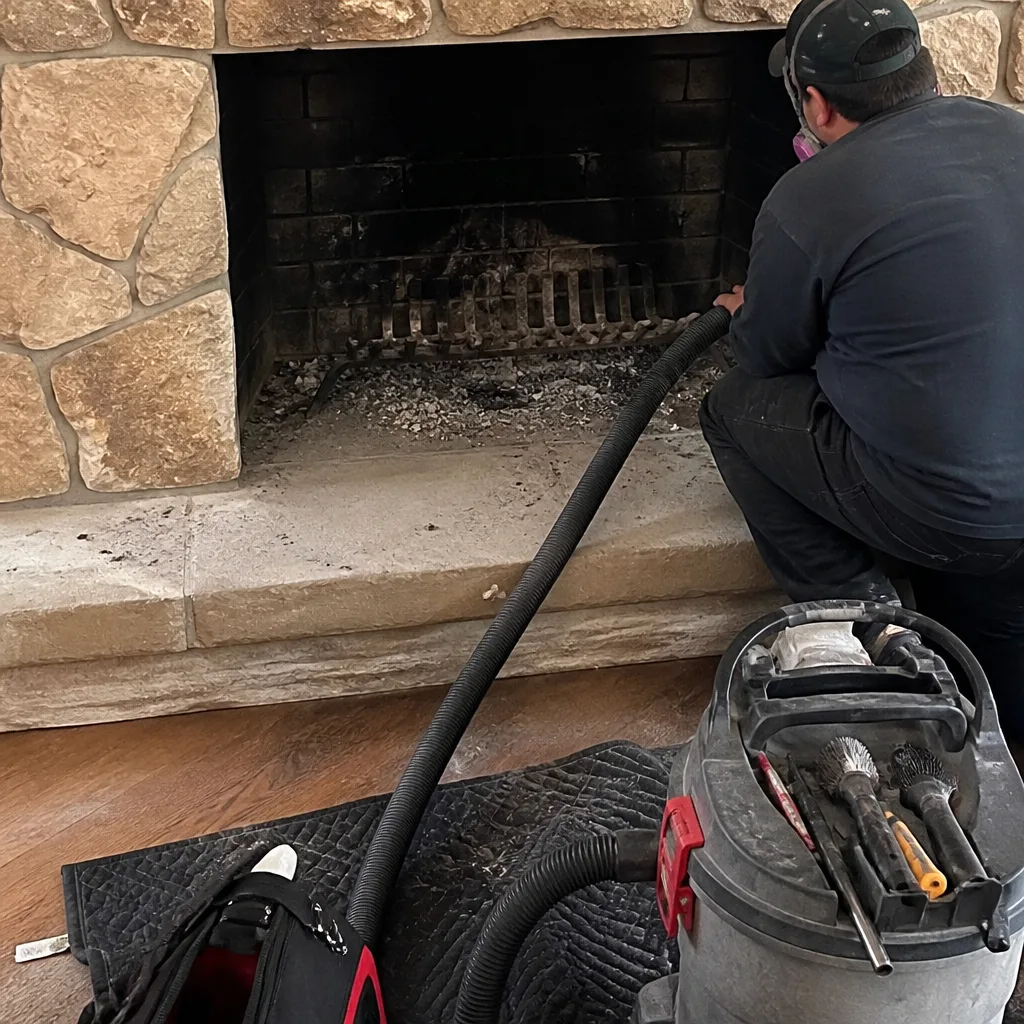
- The sweep. A rotary brush on rods, driven up the flue from the firebox or down from the roof, clears creosote and soot from the flue walls. A powerful vacuum runs the whole time to keep dust inside the flue, not in your living room.
- Level 1 inspection. With the flue clean, the technician runs a camera up the flue and checks the firebox, damper, smoke chamber, cap, and crown. This is where cracks, gaps, and liner damage get found.
- Photo documentation. Before and after photos, with any problems photographed clearly. You should see what the technician sees.
- Written findings and recommendations. What was found, what needs repair, what can wait. No pressure to fix anything on the spot.
- Repair quote if needed. Called out in writing, with the products specified – HeatShield for liner resurfacing, a DuraFlex liner system for full relining, or a Gelco or Famco cap for water and animal entry.
That’s the full loop. Sweeping without the inspection stops at step 3. A chimney sweep that also inspects and can do the repair is what a Carrollton chimney cleaning appointment should be.
Sweep-Only vs. Full-Service Specialist
A sweep-only company can clean a flue. What it can’t do is tell you, in the same visit, whether the flue is safe to use. That’s not a knock on sweep-only operators – it’s a structural difference. They’re in the cleaning business, and when they find a cracked liner, their job is to refer you out.
A full-service specialist is different in three ways:
- They see the whole picture. The person who cleans the flue is the same one who inspects it and the same one who can repair it. There’s no handoff, no gap between what the sweep saw and what the repair technician assumes.
- They work with professional-grade materials. A sweep-only service doesn’t stock liner systems or resurfacing products. A specialist works with an industry-respected lineup – DuraFlex for relining, HeatShield for liner resurfacing, Gelco and Famco for caps – because the repair work is part of the job, not an afterthought.
- They can stand behind the work. When one company sweeps, inspects, and repairs, there’s no finger-pointing if something goes wrong later. The liability and the responsibility stay in one place.
A general handyman who “does chimneys on the side” is a third category – and often the riskiest, because the work looks done without the trade-level knowledge behind it. We identify what’s wrong before we recommend what to fix. That order matters.
How Often Should You Clean?
The short answer: once a year for most homeowners who burn regularly, and once every two years if you burn only occasionally and the inspection is clean. Here’s the fuel-specific breakdown:
- Wood-burning fireplace, regular use. Annual sweep and inspection. Creosote builds faster with soft or green wood, and slower with well-seasoned hardwood. If you burn more than a cord a year, don’t skip.
- Gas insert or gas log set. Annual inspection, but the flue usually needs less sweeping – gas burns cleaner. The inspection still matters, because gas appliances can have venting problems that a sweep won’t find.
- Oil flue. Annual cleaning is important here. Oil soot is different from wood creosote, and it can clog a flue faster than expected.
- Newly purchased home. Sweep and inspect before your first fire, regardless of what the seller says. The previous owner’s burning habits and the chimney’s service history are unknown to you.
- Any draft problems, odors, or visible damage. Don’t wait for the annual cycle. Call for an inspection.
One more thing: a “clean” flue doesn’t mean a “safe” flue. If the inspection finds damage, the schedule reset starts there. In Carrollton, where the clay soil and old housing stock can mean structural issues, the inspection is the part that actually tells you when the next visit is due.
Documenting Your Chimney for Insurance
Texas homeowner policies vary, but many expect reasonable maintenance on the chimney, and some will ask for proof of service if you file a claim after a chimney fire or water damage. Keeping a simple service record protects you – and costs you nothing but a folder.
Here’s what to keep:
- Every service invoice – sweep, inspection, and repair, with dates and what was done.
- Photo reports – the before-and-after photos from each inspection. Ask for them if they aren’t offered.
- Repair documentation – what product was used (HeatShield, a DuraFlex liner, a Gelco cap), and the written findings that justified the repair.
- The inspection report – Level 1 findings, signed and dated.
Why it matters: if a future owner or an adjuster asks whether the chimney was maintained, you have a paper trail. If a repair was made, you have documentation of the fix. And if a problem develops later, the service history helps the next technician understand what’s already been done – which is worth more than a verbal “it was cleaned a few years ago.”
When we do a service call in Carrollton, we leave the homeowner with a written record they can file. It’s a small thing that makes a real difference down the road.
What Cleaning Typically Costs
We don’t publish fixed prices because every chimney is different – the flue size, the amount of creosote, the access to the roof, and any repair work all affect the final number. What we can tell you is how the cost breaks down, so you know what to expect when you call.
- Sweep and Level 1 inspection together – the standard annual service. The estimate is free, and the written estimate sets the final price.
- Level 2 inspection with camera – if the chimney has been through damage, a fire, or a home sale, this is the deeper check. Priced separately from the sweep.
- Cap installation – a Gelco or Famco cap for water and animal entry. Priced per cap and fit.
- Liner resurfacing – HeatShield application for a damaged liner that can be restored rather than replaced.
- Full relining – a DuraFlex liner system where the existing liner can’t be saved. The largest single line item, and the one we only recommend when the inspection evidence supports it.
One line we won’t budge on: nothing is recommended without camera evidence you can see. If the chimney can safely wait, we tell you so. Call (833) 946-9706 for an exact quote – estimates are free.
Common Mistakes to Avoid
- Skipping the inspection to save a few dollars. A sweep without an inspection is a cleaning, not a safety check. The structural failures that cause fires are invisible to a brush.
- Hiring a handyman who “does chimneys.” Chimney work needs trade-level knowledge – HeatShield application, DuraFlex installation, and cap fitting aren’t general-handyman skills. A patched job that looks fine can fail inside the flue.
- Burning green or soft wood to save money. It builds creosote faster, and in a Carrollton home with an older clay tile liner, that’s the last thing you want.
- Ignoring a drafty fireplace or smoky odor. Draft problems and odors are signals, not quirks. They usually mean a venting or structural issue that gets worse with time.
- Putting off the sweep because “the chimney looks fine from the living room.” The firebox and the flue are what matter, and you can’t see either with the naked eye.
- Not saving the service records. Paperwork is your proof of maintenance if you ever file an insurance claim or sell the home.
- Letting a cap stay damaged. A missing or cracked cap lets water and animals into the flue, and that water damage can rot the liner from the inside out.
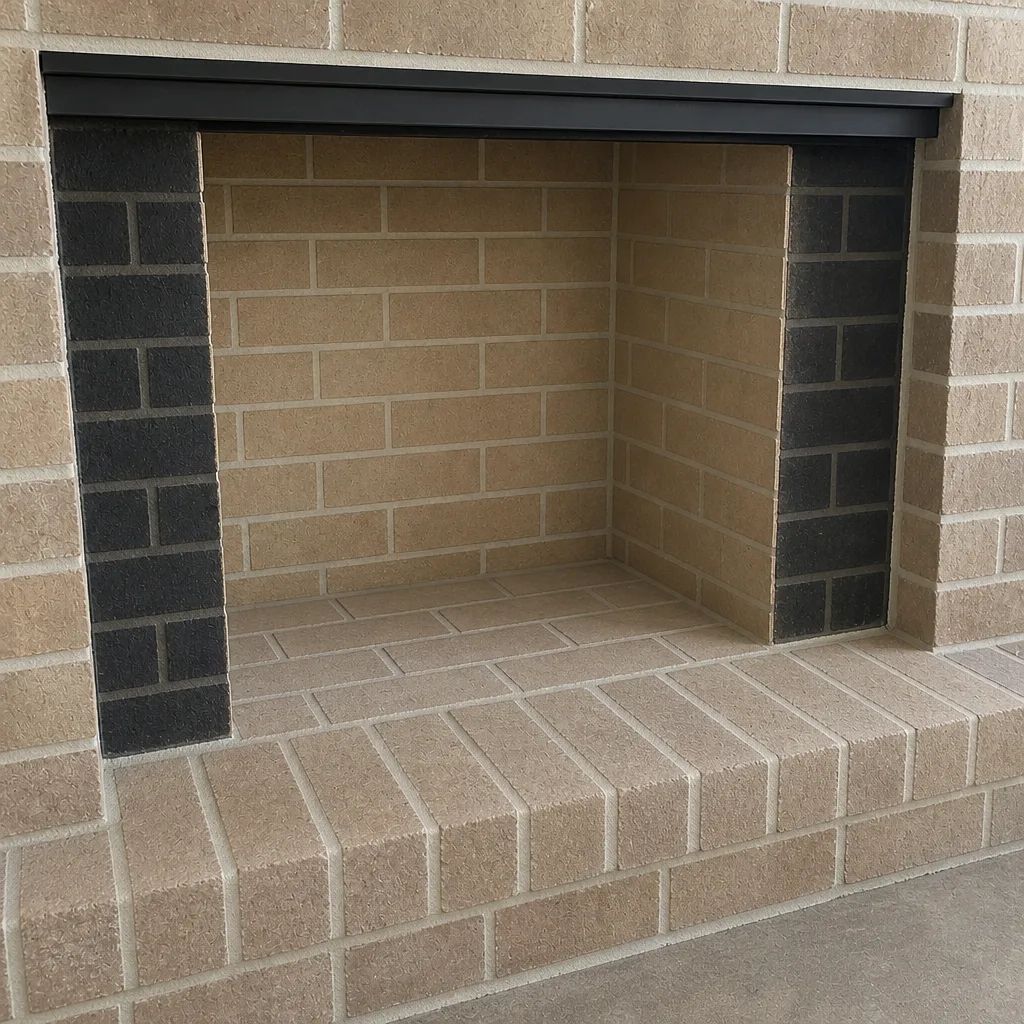
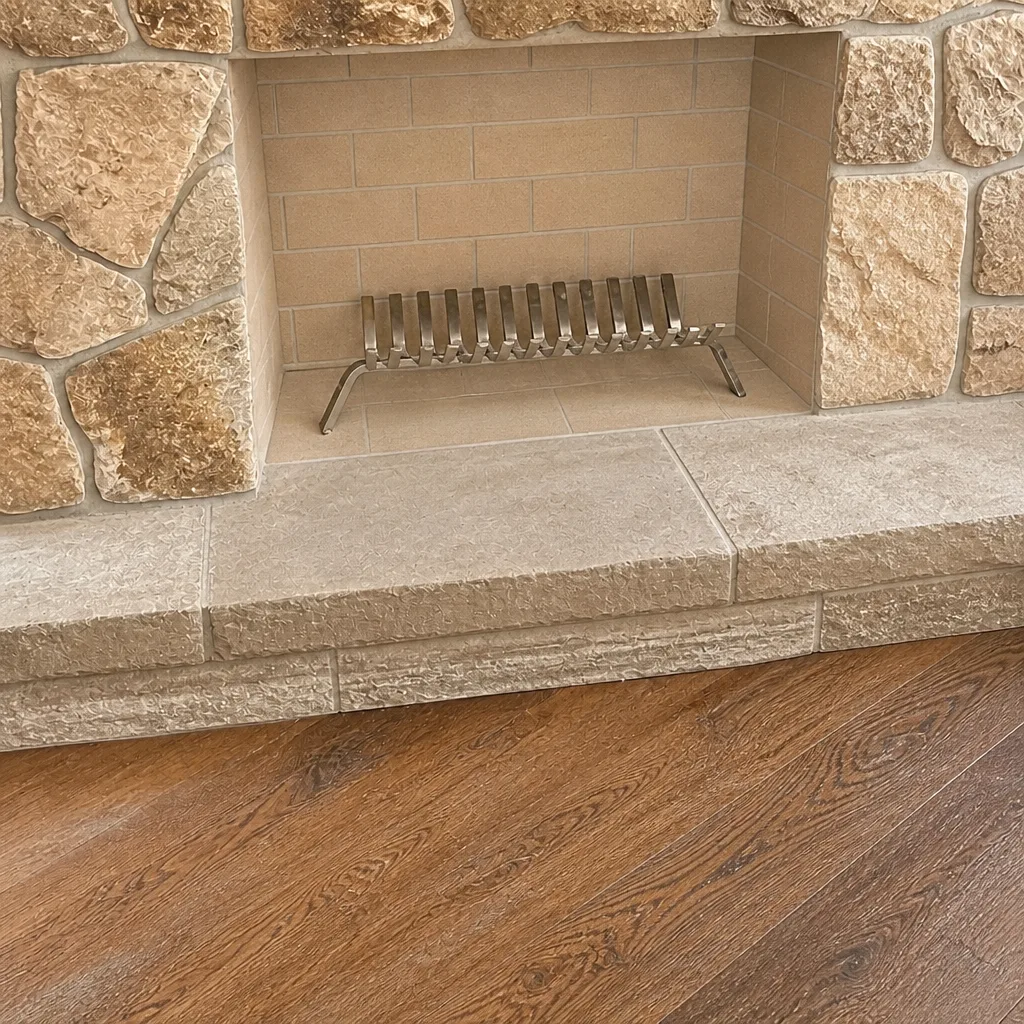
See the difference
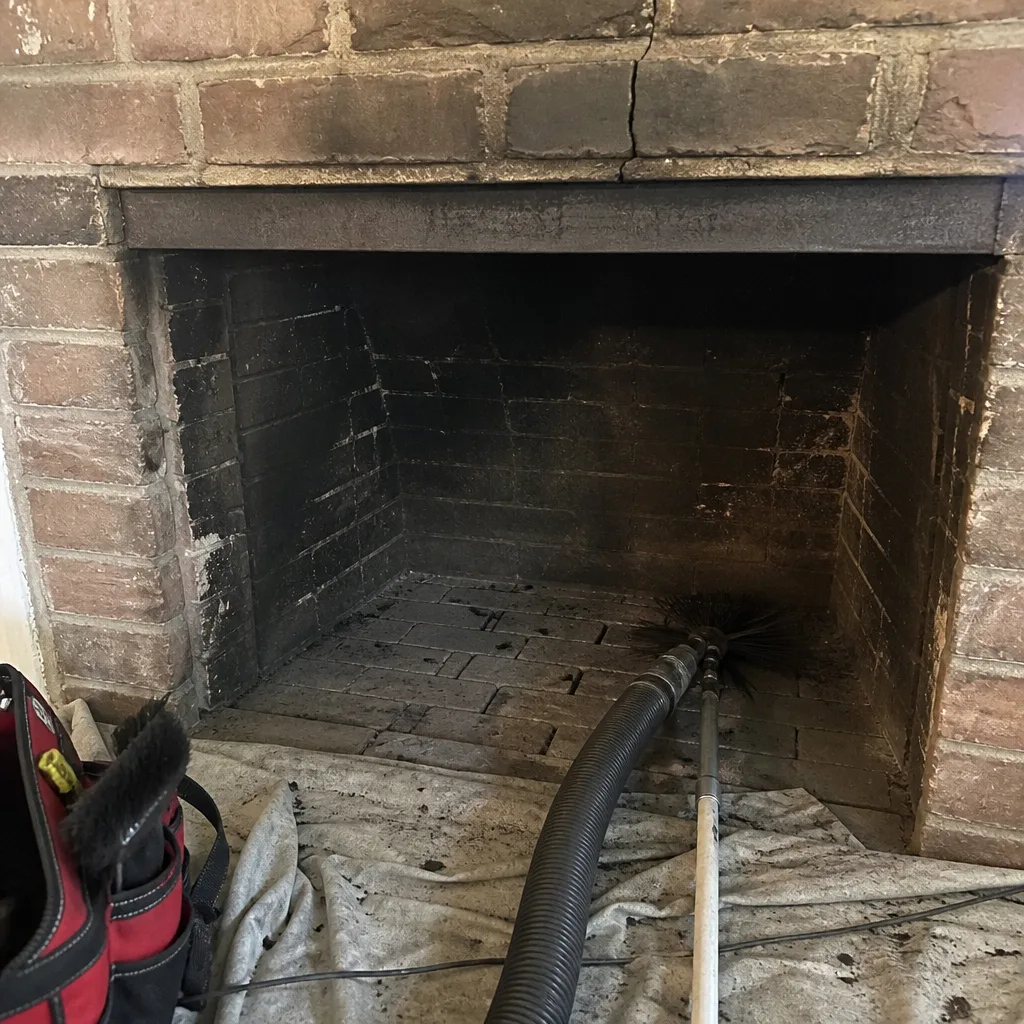 Before
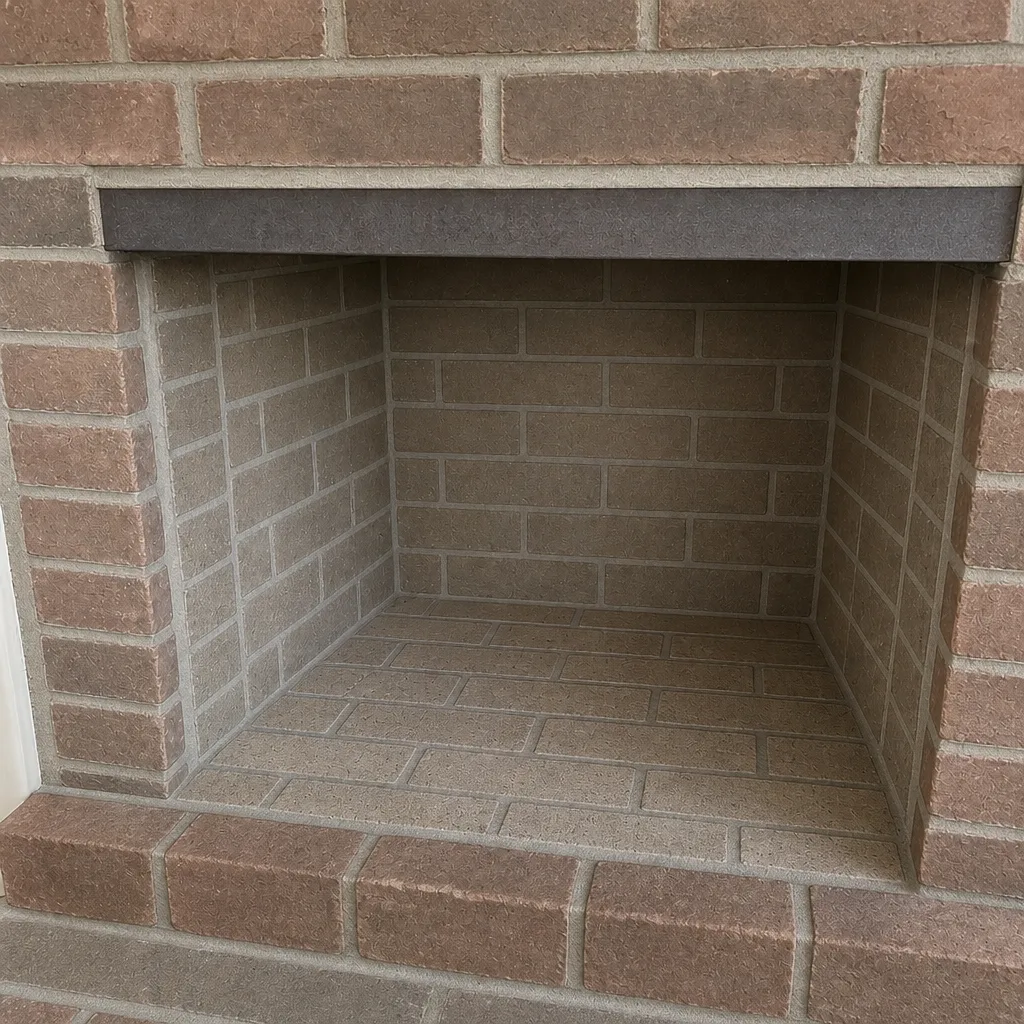 After
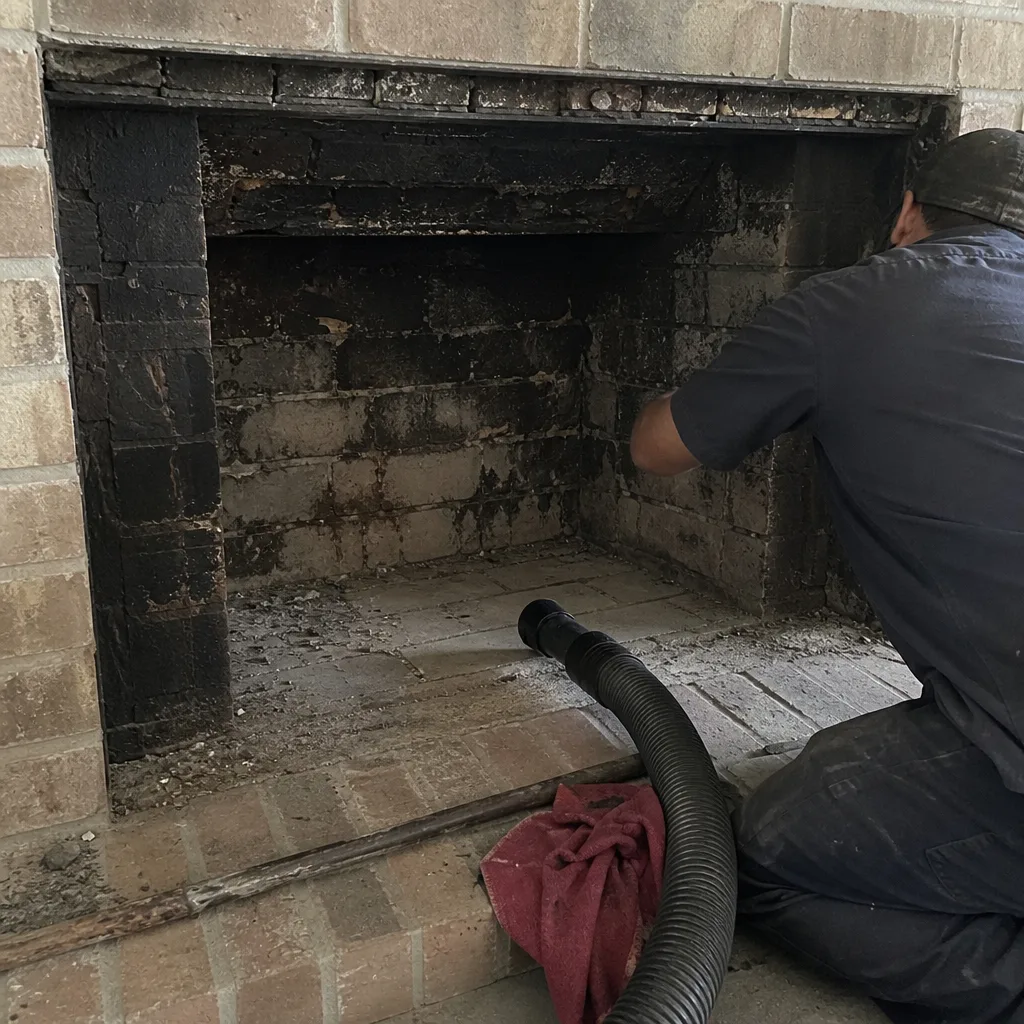 Before
 After
 Before
 After
When to Call a Professional
Call for a sweep and inspection if it’s been more than a year since the last service, if you’ve just moved into a home in Carrollton, or if anything about the chimney seems off – smoke rolling into the room, a smell of creosote on warm days, a crack in the firebox masonry, or a cap that’s loose or missing. Call before your first fire of the season if the chimney’s history is unknown. And call immediately if you’ve had a chimney fire, even a small one – the heat can damage a liner in ways you can’t see.
Carrollton Chimney Cleaning offers free estimates in Carrollton – call (833) 946-9706. We answer 24/7. Fast dispatch from 7am to 7pm, Sunday through Friday.
Frequently Asked Questions
Chimney cleaning in Carrollton is priced per job based on the flue size, creosote level, and whether an inspection or repair is added. The estimate is free, and the written estimate sets the final price. Call (833) 946-9706 for an exact quote.
Once a year for regular wood burners, and once every two years for occasional use with a clean inspection. Gas inserts need an annual inspection even if the flue needs less sweeping. If you’ve just bought a home in Carrollton and don’t know the chimney’s history, sweep and inspect before your first fire. Call (833) 946-9706 to book.
Only if the inspection shows the existing liner is cracked, shifted, or too deteriorated to restore. HeatShield resurfacing can often save a damaged liner; a full DuraFlex relining is the answer when it can’t. We don’t recommend a liner without camera evidence you can see for yourself. Call (833) 946-9706 for an inspection with a written report.
Creosote builds up in the flue, and thick creosote is the fuel for a chimney fire – the same hazard that shows up in the NFPA’s chimney fire statistics. A cracked liner can also let carbon monoxide into the home. Skipping a year isn’t automatically a disaster, but the longer it goes, the more likely a small problem becomes a bigger repair. Call (833) 946-9706 to schedule.
A full-service chimney specialist can sweep, inspect, and repair in one relationship. A sweep-only service will refer you out when it finds damage. We handle all three – so you don’t have to call a second contractor for the repair. Call (833) 946-9706 to book a full appointment.
We serve homeowners across Carrollton and the surrounding area. If you’re unsure whether you’re in range, call and we’ll tell you straight. Call (833) 946-9706. We answer 24/7, with fast dispatch from 7am to 7pm, Sunday through Friday.
The Bottom Line
Chimney cleaning in Carrollton works best as a system: sweep, inspect, and repair handled together, by one specialist who can see the whole picture. A clean flue without an inspection is an incomplete job, and in Carrollton’s clay soil, the structural problems that matter most usually start where a brush can’t reach. Get the inspection, keep the records, and fix what the camera shows. If you want a chimney you can trust, that’s the way to get there.
Carrollton Chimney Cleaning works with professional-grade brands – HeatShield, DuraFlex, Gelco, Olympia Chimney, Famco, and Copperfield – and our technicians have up to 15 years of experience. Call (833) 946-9706 for a free estimate. We answer 24/7. Fast dispatch from 7am to 7pm, Sunday through Friday. Learn more about Carrollton Chimney Cleaning and what our chimney repair service covers.
Written by the team at Carrollton Chimney Cleaning.