
Last updated November 15, 2026
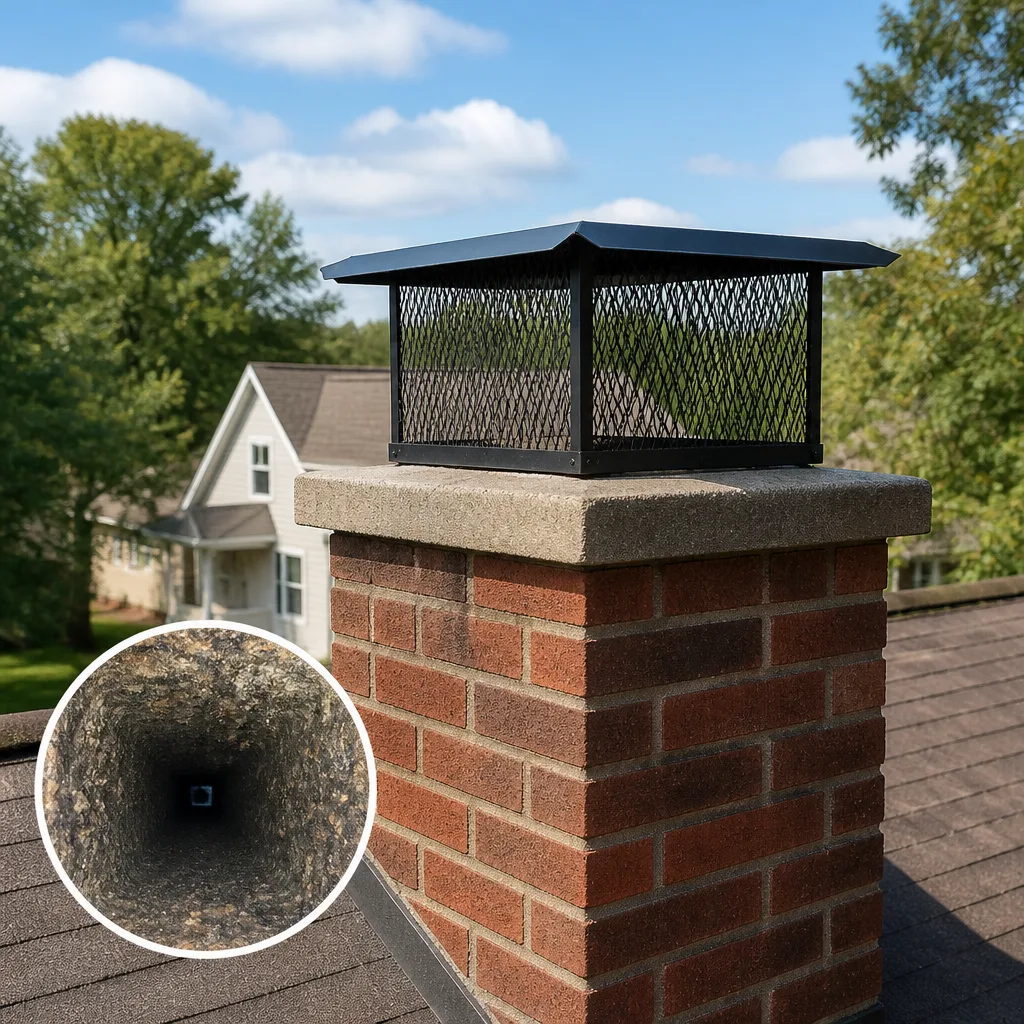 Sweep & inspection
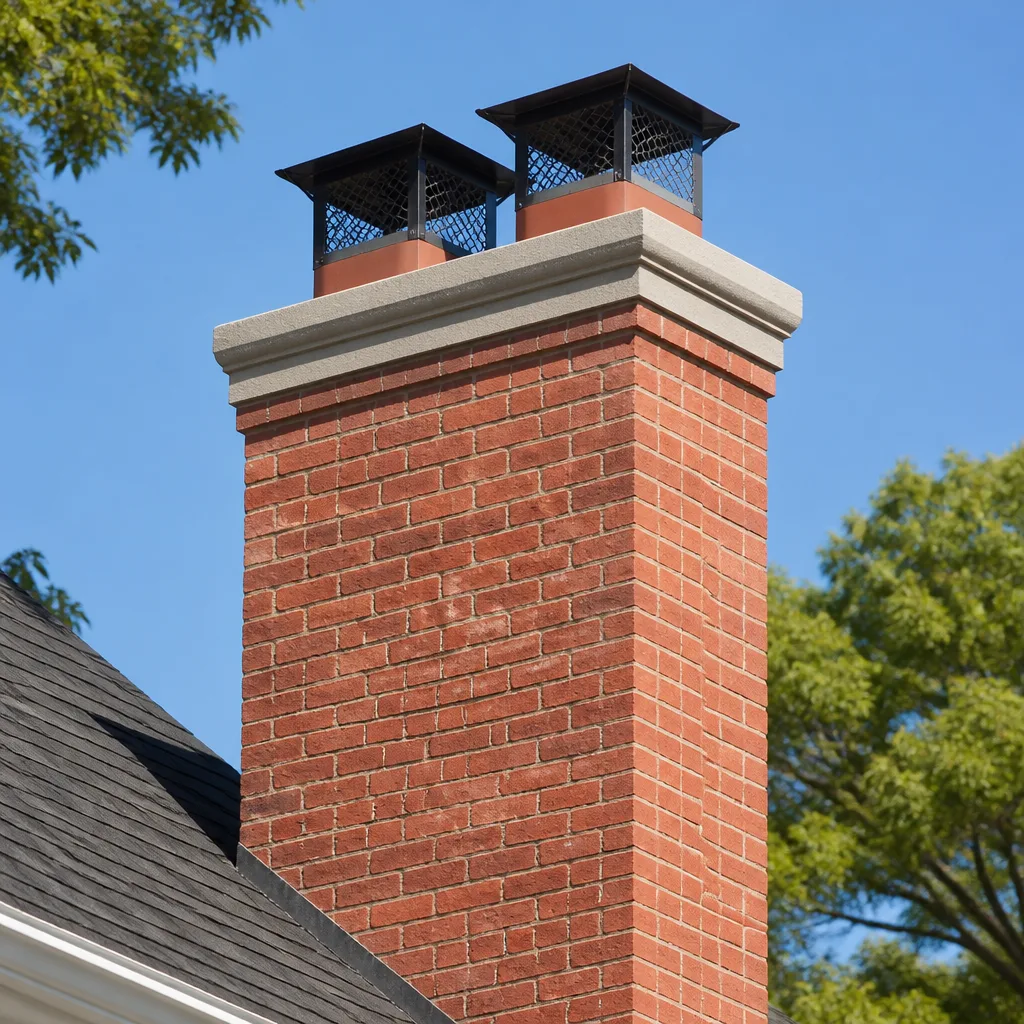 Caps & crowns
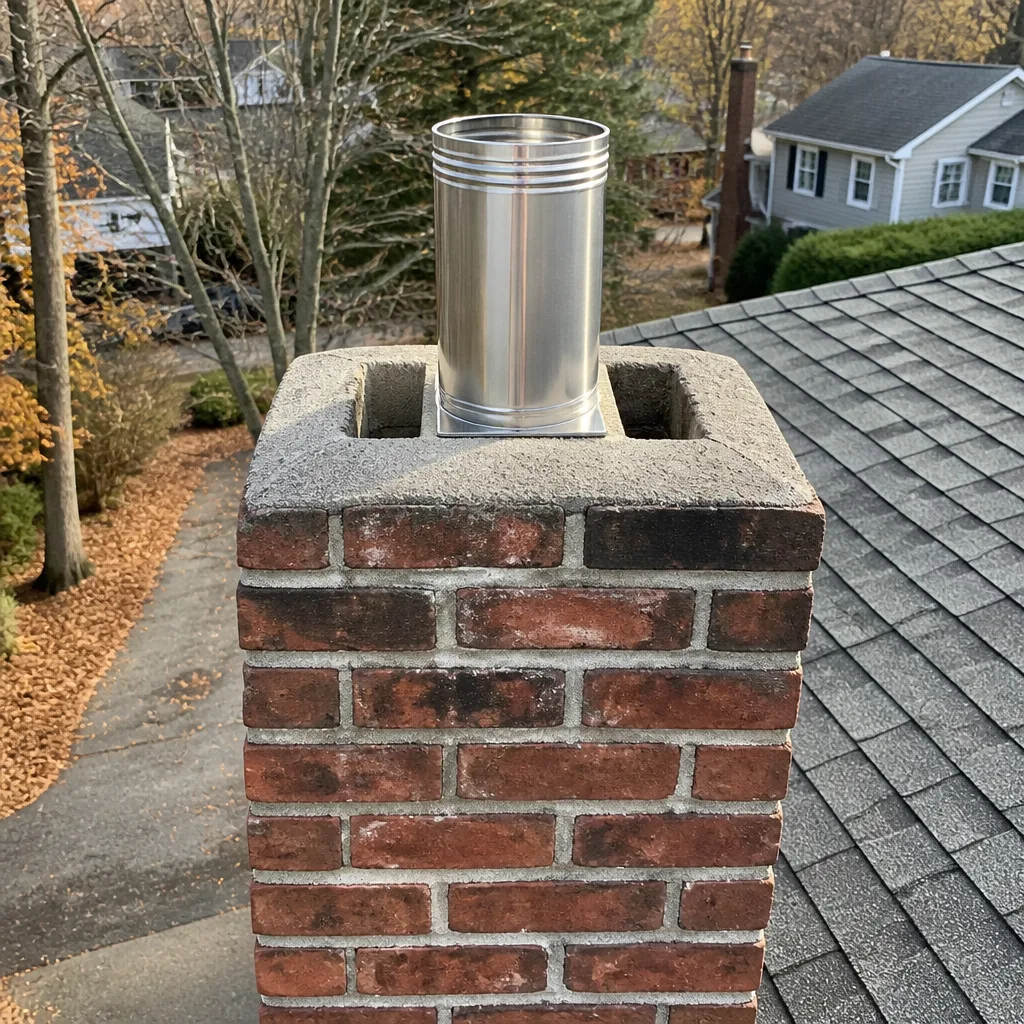 Flue relining
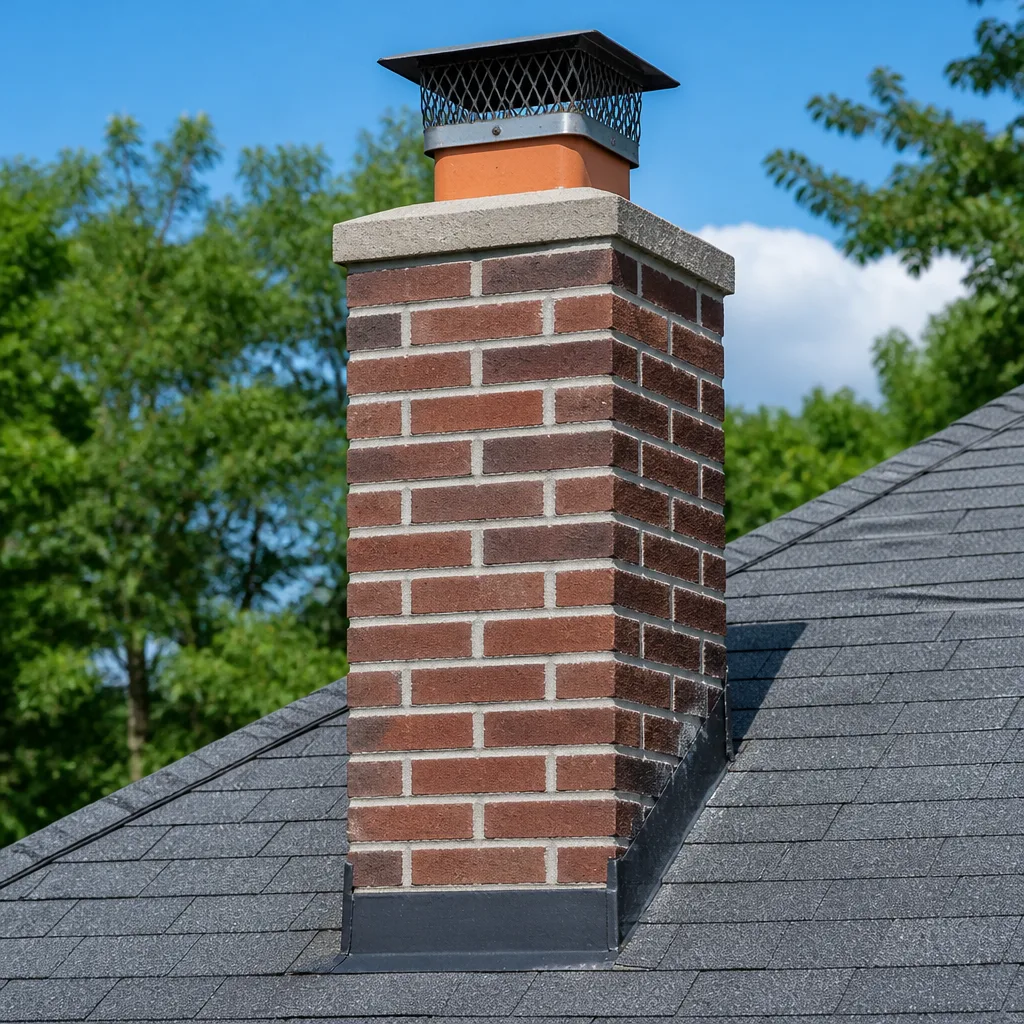 Masonry repair
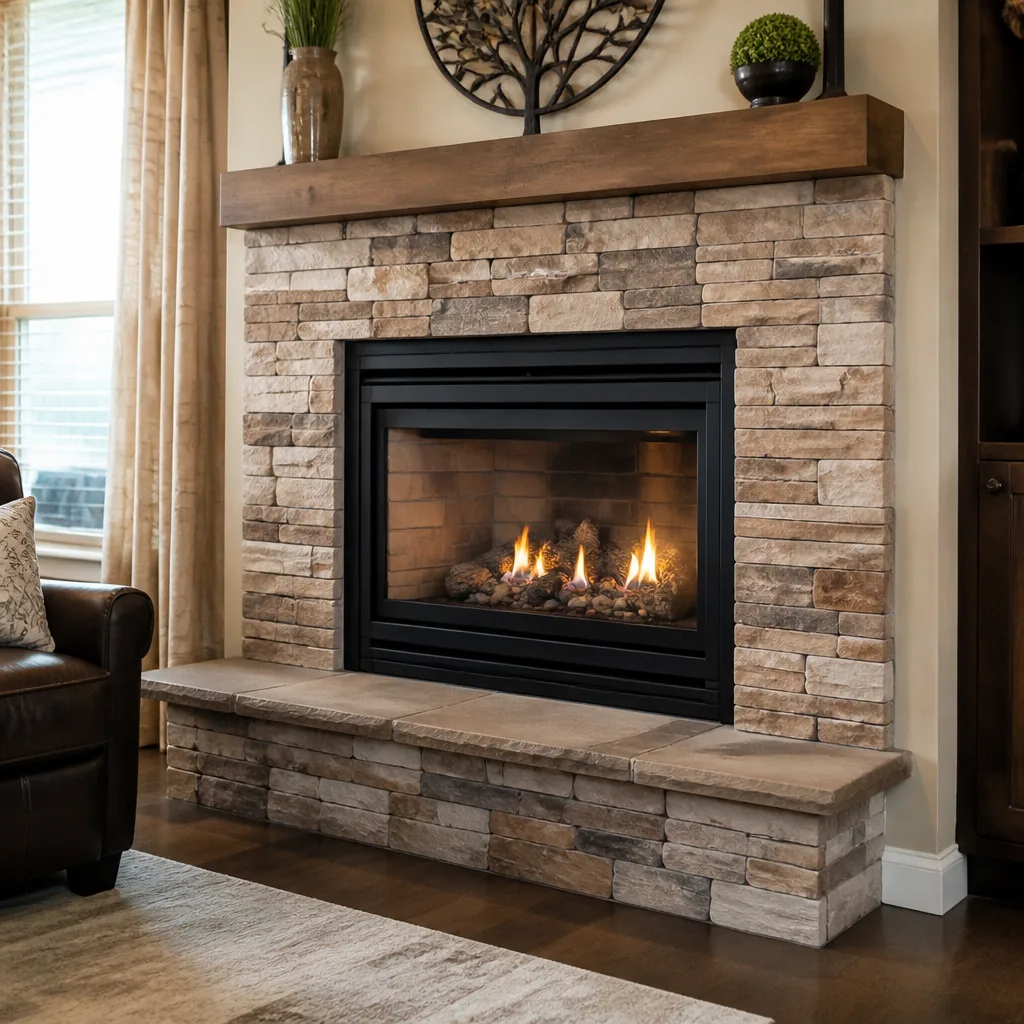 Gas fireplace service
Level 1 sweep and inspection to the NFPA 211 annual standard - flue, crown, cap, and flashing checked and photographed
Chimney sweep logs do not sweep chimneys. They loosen some creosote - which then falls where a brush and vacuum still have to collect it.
Seasonal Chimney Cleaning Care for Carrollton: Year-Round Homeowner’s Guide
In Carrollton, the two months you actually use your fireplace are the least dangerous for your chimney. It’s the other ten that quietly do the damage. Most homeowners think chimney care is a winter job, something you handle when the first cold front hits and you’re ready to light a fire. In our climate, that thinking gets the timeline backward. The summer heat, the spring storms, the humidity that hangs on for months: those are what wear down mortar, rust dampers, and let water find its way into places it should never be. By the time you strike a match in December, the problems have already been setting up for the better part of a year. This guide walks through what needs to happen in each season so your chimney is sound when you need it, not just cleaned once and forgotten. Whether you’re in Downtown Carrollton or out near the Elm Fork, the calendar looks the same.
Quick Answer
Chimney care in Carrollton is an off-season job as much as a winter one. The right rhythm is a post-storm inspection in spring, moisture protection in summer, a sweep and inspection before October, and attentive monitoring during active burning. Schedule the sweep early because qualified chimney specialists in the Carrollton market book up fast once fall arrives. Year-round attention, not a single annual visit, is what keeps a masonry chimney safe.
Styles & brands we work with
- Sweep & inspection
- Caps & crowns
- Flue relining
- Masonry repair
- Gas fireplace service
Table of Contents
- Why Carrollton’s Chimney Calendar Is Different
- Spring: After the Storm Season
- Summer: Humidity and the Slow Decline of Mortar
- Fall: The October Deadline
- Winter: Reading the Signals During Active Use
- Waterproofing at the Right Window
- The Carrollton Annual Chimney Schedule
- Common Mistakes to Avoid
Why Carrollton’s Chimney Calendar Is Different
In northern states, the chimney’s enemy is freeze-thaw. Water gets into a crack, freezes, expands, and splits the masonry apart over a single hard winter. That’s a real problem, but it’s not the Carrollton problem. Our winters are mild, and the masonry doesn’t get that repeated freeze-and-thaw hammering. What we get instead is heat, humidity, and storm exposure, and the cumulative effect of those three across nine months of the year does more slow damage than the burn season ever does in a hurry.
The mechanics are simple. A chimney is a masonry structure sitting out in the weather, and masonry is porous. It absorbs moisture from humid air and from driving rain. When that moisture sits in mortar joints or behind a failing crown, it softens the mortar, feeds algae and mold, and works its way toward the flue. Meanwhile, storm season rolls through North Texas and tests every cap, every flashing, every crown on every roof in Carrollton. The chimney takes those hits quietly. You won’t see the damage from the living room.
That’s why a once-a-year sweep in December isn’t the whole job here. The sweep keeps the flue clear of creosote. The seasonal care around it is what keeps the structure sound. Sweep, inspect, and repair are three different things on three different clocks, and in our experience the homeowners who treat them that way get far more life out of a chimney than the ones who only think about it when the first fire is on their mind. Your chimney is a system, and we treat it like one.
Spring: After the Storm Season
Spring is when Carrollton chimneys get audited by the weather. Hail and high wind don’t care how well-built the chimney is. They test the components that keep water out, and those are the components that fail first. When North Texas storm season rolls through, the chimney cap, the flashing where the chimney meets the roof, and the crown on top are the three places to look. Each one is a water entry point if it fails, and each one can fail without any obvious sign from the ground.
The chimney cap is the first line of defense. A cap in good condition keeps rain out of the flue, keeps animals from nesting, and keeps sparks off the roof. Hail can dent or punch holes in a metal cap, and wind can dislodge one that was never secured well. The flashing is the sealed joint between the chimney and the roof surface. When that seal lets go, water runs down the outside of the flue instead of off the roof, and you won’t know until you see a stain on the ceiling below. The crown is the concrete or masonry top surface that sheds water away from the chimney. A cracked crown funnels water straight into the masonry.
- Look at the cap. From the ground, check whether it’s still sitting square and level, or whether it’s been knocked loose or shows dents.
- Check the flashing. Look for gaps, lifted edges, or fresh rust streaks where the flashing meets the roof.
- Inspect the crown. Any visible crack in the crown is a water path into the chimney, even a hairline one.
- Look for water stains inside. Discoloration on the ceiling or the chimney breast points to a leak that started up top.
- Schedule an inspection. Storm damage often hides where you can’t see it, and an inspection is the honest starting point.
Getting a chimney inspection after storm season is one of the most useful habits a Carrollton homeowner can build. We identify what’s wrong before we recommend what to fix, so a spring inspection tells you what, if anything, needs repair before the summer heat bakes it in. A damaged crown or a loose cap is a small repair in April and a bigger one by August. Cap and cover solutions like Gelco and Famco address these root causes directly, not just the surface symptom.
Summer: Humidity and the Slow Decline of Mortar
Summer is the season that quietly does the most damage to a Carrollton chimney. The heat itself doesn’t hurt masonry, but the humidity that comes with it does. Month after month of warm, moist air gives masonry the time it needs to absorb moisture deep into the mortar joints and the brickwork around them. It’s a slow process and it’s invisible from the outside, which is exactly why it catches homeowners off guard.
Mortar is the weak link. It’s softer than the brick, so it’s the first thing to give way when it stays damp. When mortar gets soft and starts to crumble, it stops doing its job of holding the brick together and sealing the chimney. Once that happens, the flue is one step closer to being compromised. The other summer casualty is damper hardware. A damper blade sits in a humid environment for months with a fine film of moisture on its metal surfaces, and that’s a recipe for rust. A rusted damper stops sealing and stops opening smoothly, which means a fire that smokes into the room because the damper won’t open fully.
What can you do about summer humidity? A waterproofing treatment is the real answer, and we’ll get to that in its own section below, because timing matters. Beyond that, summer is a good time to run the basic checks:
- Open and close the damper by hand to confirm it moves freely and seals flat.
- Look up into the firebox for daylight where there shouldn’t be any.
- Check for crumbling or flaking mortar on the firebox and the exterior brick.
- Smell the firebox on a humid day. A strong musty or smoky odor points to a moisture or drafting problem.
- Check the cap and crown again if it’s been an especially wet season.
If you do nothing else in summer, do this: schedule your seasonal sweep now, not in October. There’s real logic to the timing, and it’s the subject of the next section.
Fall: The October Deadline
The single most common mistake we see in the Carrollton market is waiting until the first cold snap to think about the chimney. By then it’s too late to get on a good specialist’s schedule before the busy season hits. Qualified chimney specialists here are in limited supply, and once October arrives, every homeowner in the region wants the same appointment. Booking in late summer or early fall is the way around that bottleneck.
There’s a second reason the timing matters. A fall sweep and inspection gets your chimney checked before the burn season, not in the middle of it. If the inspection finds a cracked flue tile, a failing damper, or a liner problem, you want to know about it while there’s still time to fix it, not on a cold night when you’re already trying to light a fire. A chimney sweep clears out the creosote from last winter, and the inspection that comes with it tells you whether the rest of the system is ready.
Here’s a sensible fall checklist, in order:
- Book the sweep and inspection early so you’re on the schedule before the fall rush.
- Get the sweep done to clear the flue of soot and creosote built up from previous fires.
- Get the inspection done to check the flue liner, the firebox, the damper, the cap, the crown, and the flashing.
- Handle any repairs found in the inspection before you light the first fire.
- Confirm the damper seals and that there’s no obstruction in the flue.
- Stock your firewood and let it season properly before use.
If your inspection turns up a structural problem, don’t panic. Our chimney repair work covers the full range of issues, from a cracked crown to a failing liner, and we use professional-grade materials chosen for the job rather than hardware-store substitutes. A liner resurfacing system like HeatShield solves certain liner problems without a full reline, and a DuraFlex flexible liner system handles the cases that need a full reline. Knowing which is which is a big part of why an inspection comes first.
Winter: Reading the Signals During Active Use
Once the fires are going, your job shifts from prevention to observation. Winter is the season to watch for signals that your chimney needs attention now, before the problem compounds. The good news is the signals are clear. The bad news is most homeowners miss them because they aren’t looking.
Here’s what to watch for during active burning:
- Smoke spilling into the room. A fire that smokes into the room instead of up the flue points to a draft problem or a blocked flue. Stop burning and get it checked.
- A weak or lazy draft. If the fire struggles to catch and the smoke seems sluggish, the flue may be partly blocked.
- Odors when the fire is out. A smoky smell coming down the flue on a cold, still day often means an oversized flue or a drafting problem, not a dirty chimney.
- Glass doors that soot up fast. Rapid sooting points to incomplete combustion, which means the fire isn’t drafting correctly.
- Rust or corrosion on the damper. If the damper gets sticky or stiff during the season, moisture is getting in somewhere.
- Any smell of smoke in rooms far from the fireplace. Smoke should never show up in other rooms. If it does, get it checked.
One more signal is worth an entire conversation, and that’s creosote. Creosote builds up inside the flue every time you burn, and it’s the fuel that makes chimney fires possible. A chimney fire can be loud and obvious, or it can be a slow, quiet burn that you don’t know happened until a sweep finds the damage. We don’t say that to frighten anyone. We say it because a clean, well-maintained flue is the reliable way to reduce that risk, and that’s what a sweep does. Watching for the signals above tells you when a mid-season service call is the right move, and a call is better than a guess.
Waterproofing at the Right Window
Waterproofing is the single highest-value seasonal task most Carrollton homeowners don’t know about. A masonry chimney is porous. Even a well-built one absorbs moisture from humid air and driving rain. That moisture works its way into the mortar joints, the crown, and the brick itself, and over years it softens the mortar and shortens the life of the masonry. A waterproofing treatment applied at the right time changes that outcome.
Which time is right? Late spring to early summer is the window we favor in this climate, because the masonry needs to be clean and dry before a treatment goes on and it needs a stretch of warm, dry weather to cure. In Carrollton, that’s exactly the run-up to the humid months, which makes it the natural time to seal the masonry before the moisture load peaks. The treatment itself is a breathable sealer that keeps liquid water out while letting moisture vapor escape. That vapor-permeable quality is what distinguishes a proper chimney waterproofing product from a general-purpose masonry sealer, and it matters. A sealer that traps moisture inside can do more harm than leaving the masonry untreated.
Before the treatment goes on, the chimney has to be prepped. That means:
- Clean the masonry so the treatment can bond to bare brick and mortar, not to grime.
- Repair what’s damaged. Soft or crumbling mortar has to be fixed before sealing. You can’t waterproof a failing joint and expect it to hold.
- Fix the crown and the cap if either is cracked or failing, since those are water entry points a sealer won’t rescue.
- Apply the treatment in warm, dry conditions that let it cure properly.
A properly waterproofed chimney lasts longer and stays sounder across the sort of humid summer Carrollton gets. Treating it right is one of those decisions that quietly pays off for years, and skipping it is one of those decisions that quietly costs, because mortar never stops aging on its own schedule.
The Carrollton Annual Chimney Schedule
Here’s the whole year on one page. If you follow this rhythm, you cover both the seasonal structure care and the fire-safety side, and you don’t get caught flat-footed by any season in the Carrollton climate.
- Early Spring (post-storm). Inspect for hail and wind damage to the cap, flashing, and crown. Look for interior water stains. Schedule an inspection to catch anything you can’t see.
- Late Spring (before the humidity). Repair any damage found in the spring inspection. Clean the masonry and apply a breathable waterproofing treatment while the weather is warm and dry and the masonry is dry enough to take it.
- Summer. Run your monthly checks: damper operation, mortar condition, hairline cracks, musty odors. Confirm your fall sweep is on the books.
- Early Fall (before October). Sweep and inspect, handle any repairs found, and confirm the damper seals properly. Light the first fire with confidence.
- Winter (active use). Watch for smoke spillage, weak draft, unusual odors, soot build-up, and stiff dampers. Call at the first sign of trouble, not at the end of the season.
- Year-round. Address water intrusion the moment you notice it. Water is the slow killer of masonry, and it never gets better on its own.
If you only remember one thing from this schedule, remember the fall timing. The October deadline is real in this market because the supply of qualified specialists is limited. Booking early is the difference between an easy spring and a scramble in the cold.
Common Mistakes to Avoid
- Treating the sweep as the whole job. Sweeping keeps the flue clean, but it doesn’t catch a cracked crown or a failing liner. A sweep and an inspection together tell you the full story of the chimney.
- Waiting until the first cold snap to book. Once the first cold front hits, every homeowner in the Carrollton area wants an appointment. The best specialists book up early. Schedule before the fall rush.
- Skipping storm-season checks. North Texas hail doesn’t need an invitation. A cap that got dinged in April can leak for months before you notice it.
- Thinking one waterproofing treatment lasts forever. A proper treatment extends the life of the masonry, but it has a finite lifespan. Build a routine check into the annual cycle.
- Sealing over damaged mortar. Waterproofing a chimney with failing joints traps the problem instead of fixing it. Repair first, then seal.
- Ignoring the damper. A rusted or stuck damper is a moisture signal and a functioning problem. It’s a small fix that becomes a bigger one the longer it sits.
- Lighting a fire without a seasonal inspection. The inspection is the honest starting point. We identify what’s wrong before we recommend what to fix, and that order matters.
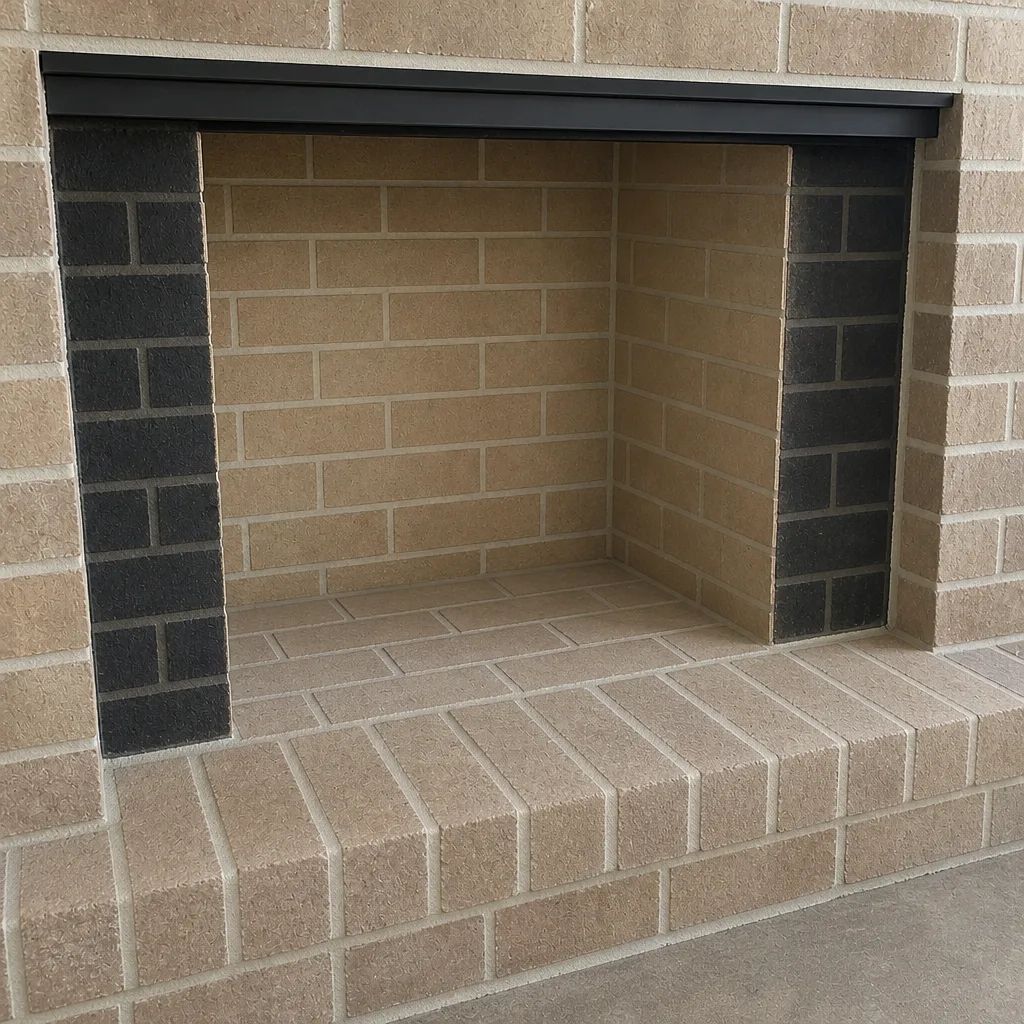
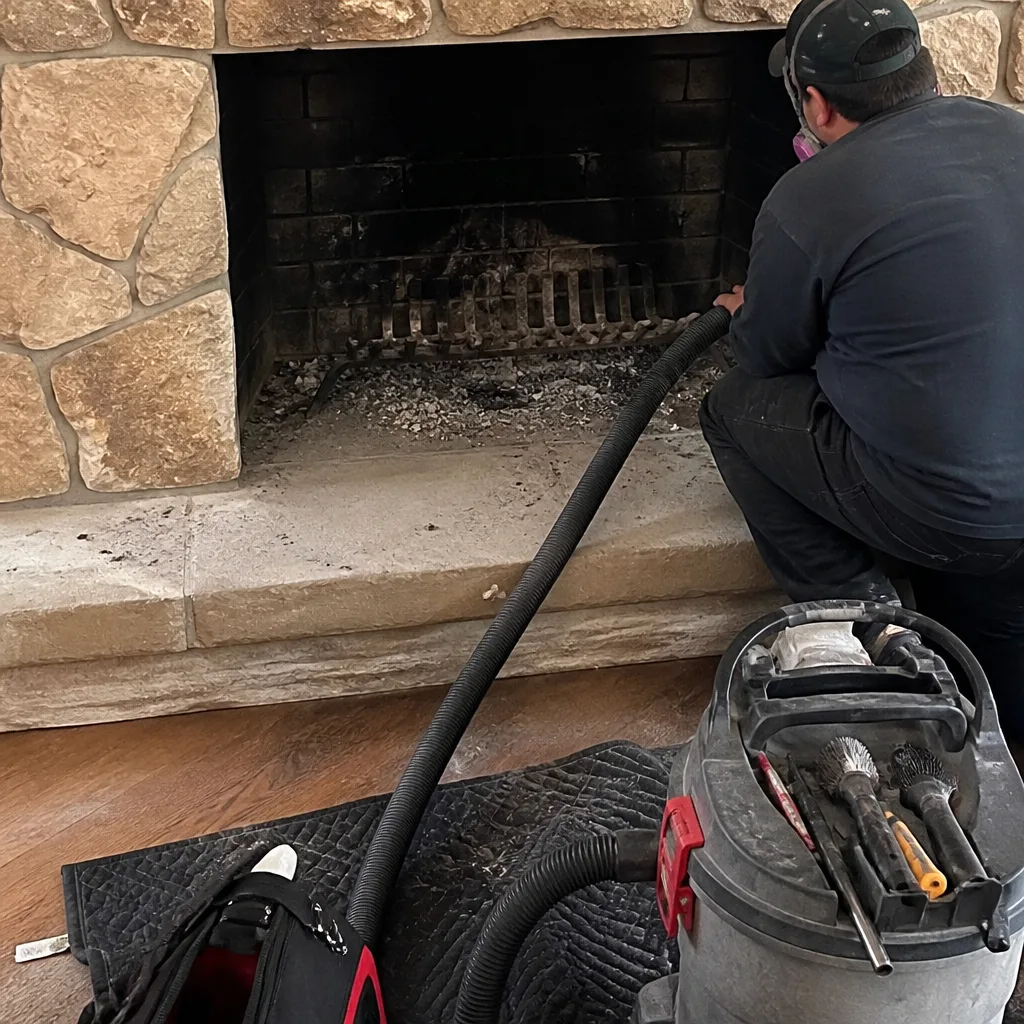
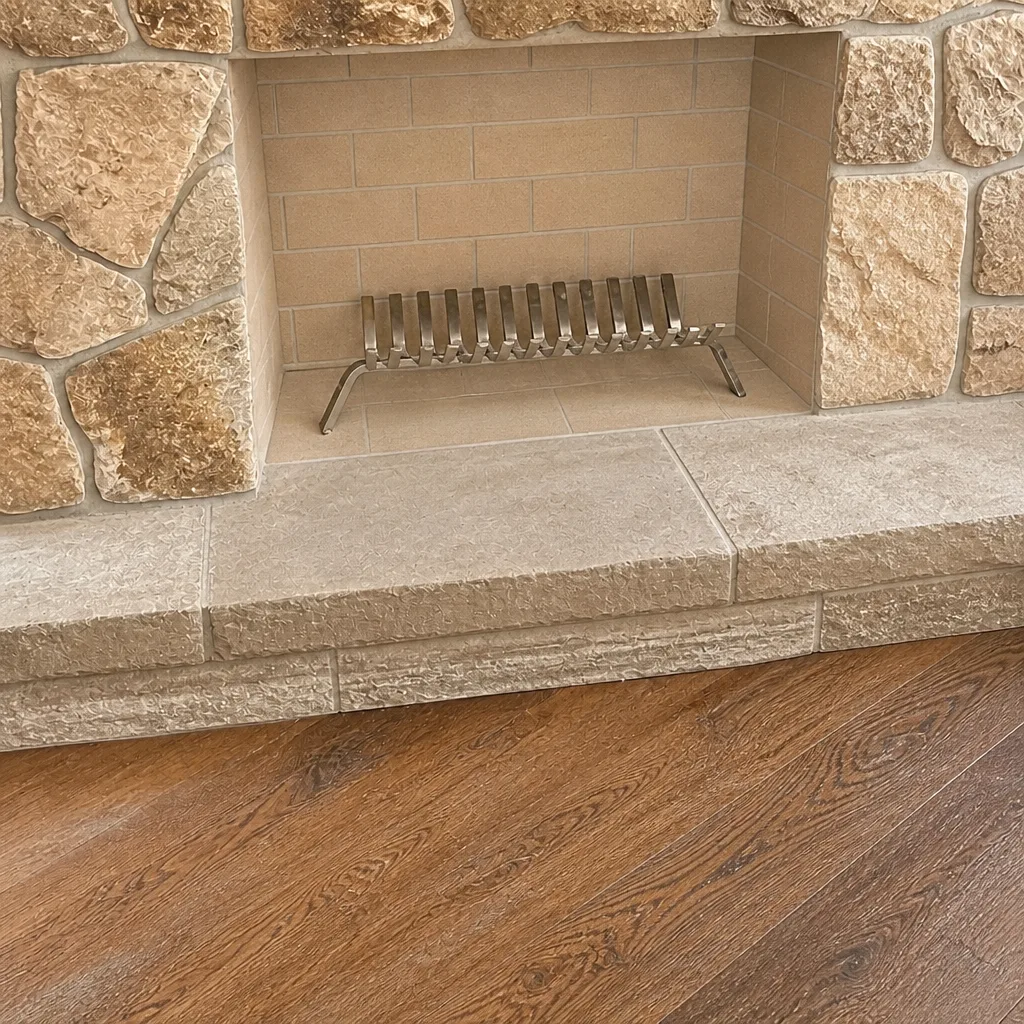
See the difference
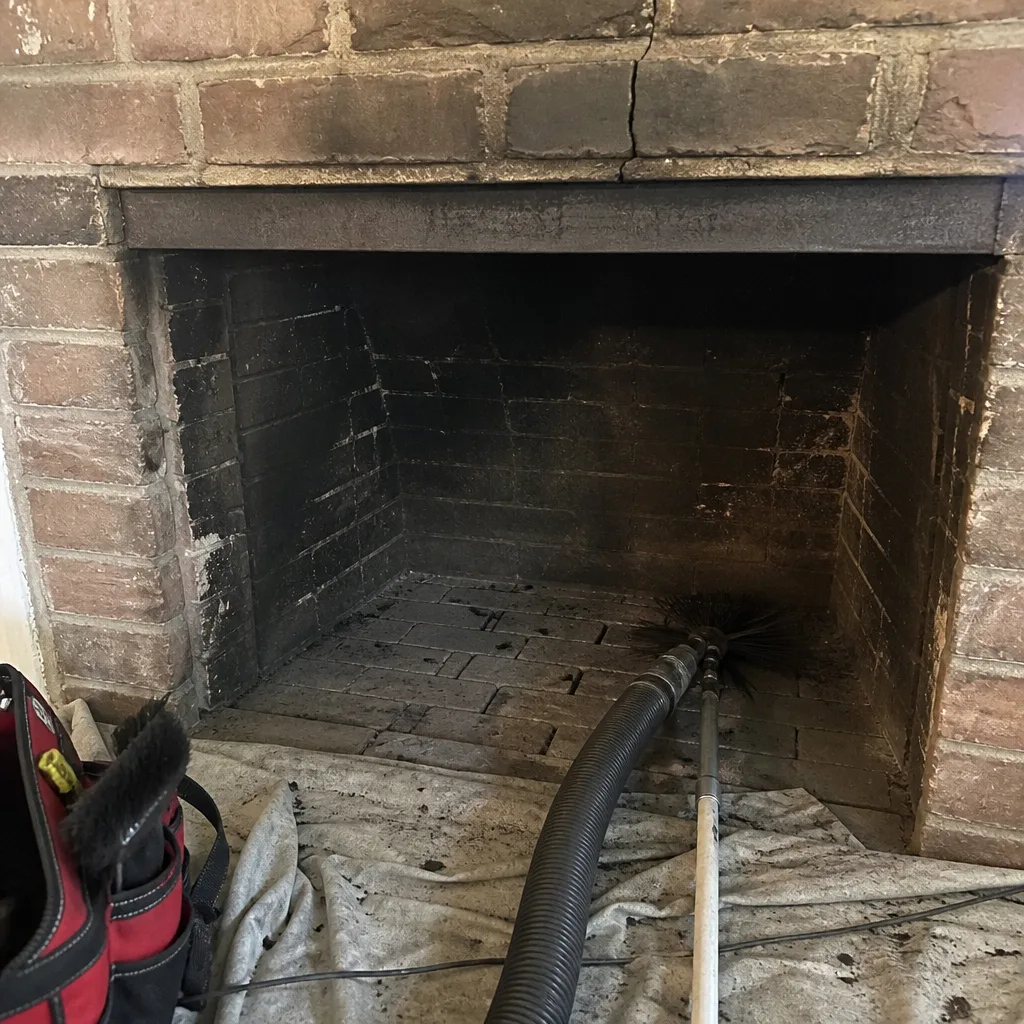 Before
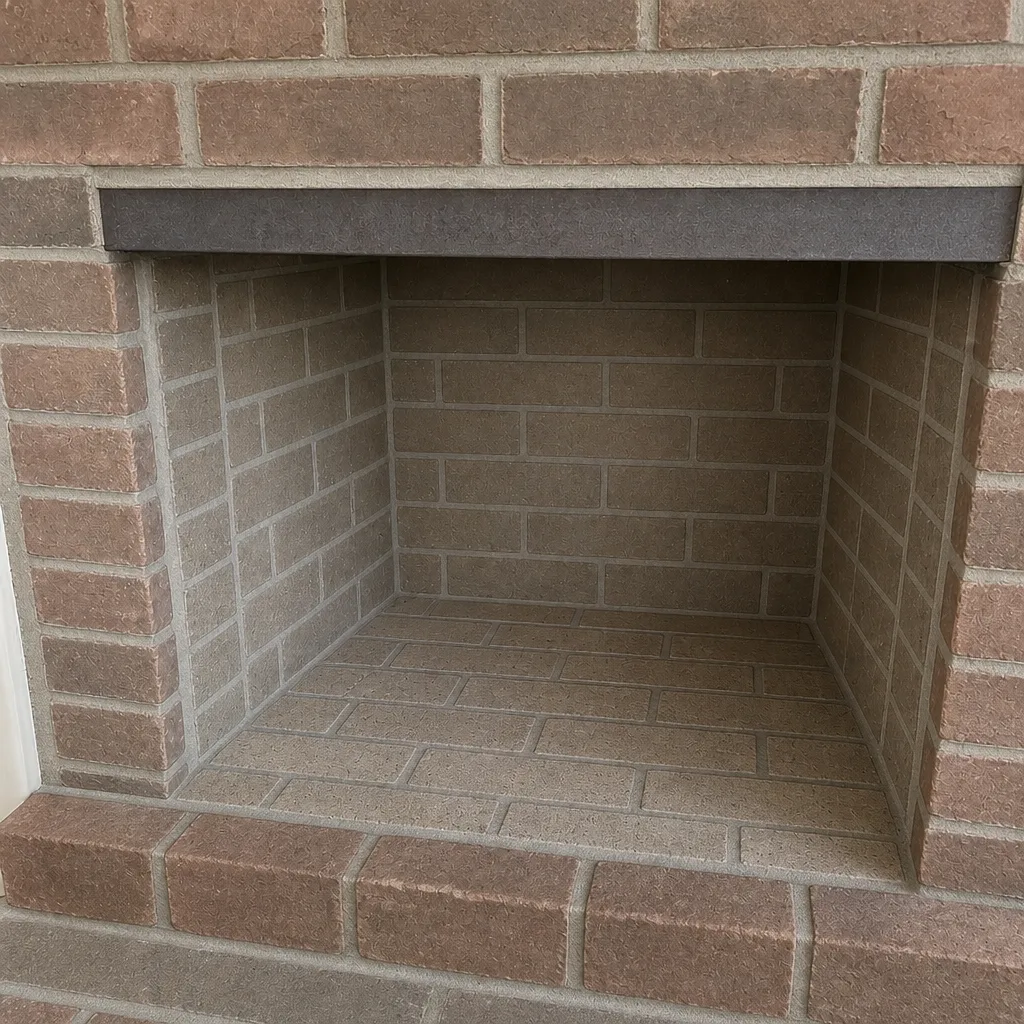 After
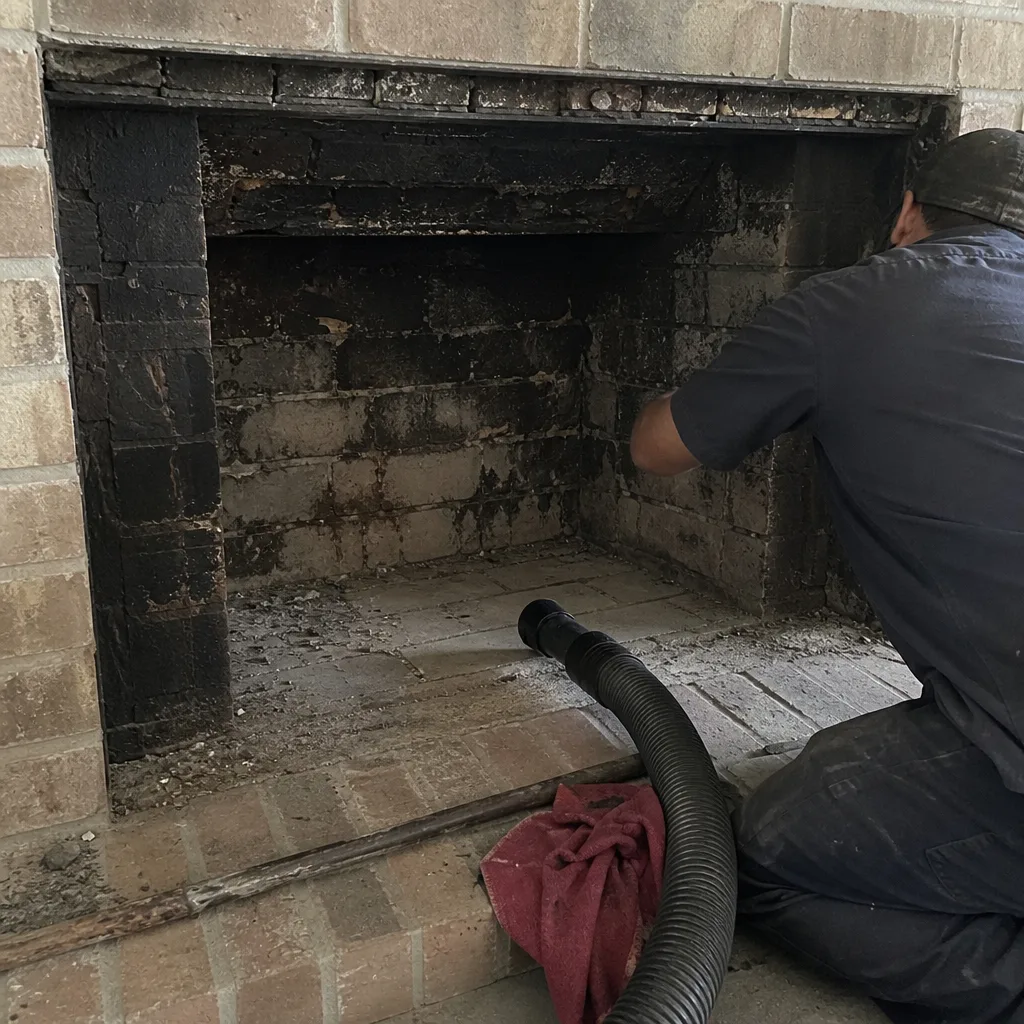 Before
 After
 Before
 After
When to Call a Professional
Some tasks can wait. A few shouldn’t. Call a professional if you see smoke rolling into the room when the fire is lit, if you smell smoke in rooms far from the fireplace, if the fire struggles to draft, if the damper is hard to move, if water is staining the ceiling or the chimney breast, if you can see cracks in the crown, or if any mortar is crumbling or missing on the firebox or the brick. Those are the signals that the problem is beyond a visual check at home. A Carrollton homeowner dealing with any of them should get an inspection rather than a guess.
Our technicians have up to 15 years of experience, and we handle the whole lifecycle of chimney care: sweep, inspect, repair, and reline. Carrollton Chimney Cleaning offers free estimates in Carrollton. Call (833) 946-9706 for a free estimate.
Frequently Asked Questions
A chimney should be inspected at least once a year and swept when the creosote buildup or soot justifies it. In practice, most Carrollton homeowners benefit from one sweep and inspection before the burn season, plus a post-storm check in spring. If you burn heavily or use the fireplace on a lot of cold nights, your flue can load up faster than once-a-year sweeping covers. Call (833) 946-9706 for a free estimate.
Spring inspection catches the hail and wind damage left by the North Texas storm season before it has the whole summer to turn into a leak. Hail can dent a cap, loosen flashing, or crack a crown, and all three lead to water intrusion. An inspection right after storm season gives you the clearest picture of what the weather actually did to your chimney. Call (833) 946-9706 for a free estimate.
Yes, and in Carrollton’s climate it’s one of the biggest sources of damage over time. Warm, humid air gives masonry the time it needs to absorb moisture deep into mortar joints. Once that moisture is in, it softens the mortar and shortens the life of the brickwork. A breathable waterproofing treatment applied in late spring to early summer is the best defense. Call (833) 946-9706 for a free estimate.
A proper chimney waterproofing treatment seals the masonry against liquid water while letting moisture vapor escape, which protects the mortar joints through the humid months. It extends the life of the masonry, but it isn’t permanent. A treatment has a finite lifespan, so build a periodic check into your annual routine. Seal after any repair, never over failing mortar. Call (833) 946-9706 for a free estimate.
In the Carrollton market, the supply of qualified chimney specialists is limited, and once October arrives the demand spikes. The reliable way to get an inspection before the burn season is to book in late summer or early fall, ahead of the rush. If you’re already past that window, call and we’ll work out the soonest opening. Call (833) 946-9706 for a free estimate.
A sweep clears soot and creosote out of the flue. An inspection checks the full system, including the flue liner, firebox, damper, cap, crown, and flashing, for structural problems, water damage, and safety issues. You need both, and they work together. Sweeping without inspecting misses structural problems; inspecting without sweeping leaves the creosote in place. Call (833) 946-9706 for a free estimate.
The Bottom Line
Your Carrollton chimney’s biggest danger isn’t the two months you use it. It’s the ten months you don’t. Spring storms test every cap and crown. Summer humidity softens mortar and rusts dampers. Fall is the deadline to get a sweep and inspection before the burn season, and winter is when you listen for the signals that something’s wrong. A waterproofing treatment applied at the right window extends the life of the masonry by years, and a spring inspection catches problems while they’re small. Year-round attention is the whole system. Sweep, inspect, repair, handled by one specialist. Follow the schedule and the fire you light in December will be safe, because the nine months before it were on your side.
If your chimney hasn’t had a proper inspection in over a year, or you recently bought a home and don’t know the chimney’s history, start there. Carrollton Chimney Cleaning handles sweeps, repairs, and inspections with professional-grade materials, and we identify what’s wrong before we recommend what to fix. Our technicians have up to 15 years of experience, and we use a product lineup including HeatShield and Olympia Chimney for the repairs that need them. The estimate is free.
Call (833) 946-9706 for a free estimate. We answer 24/7, with fast dispatch from 7am to 7pm, Sunday through Friday.
Written by the team at Carrollton Chimney Cleaning.