
Last updated November 15, 2026
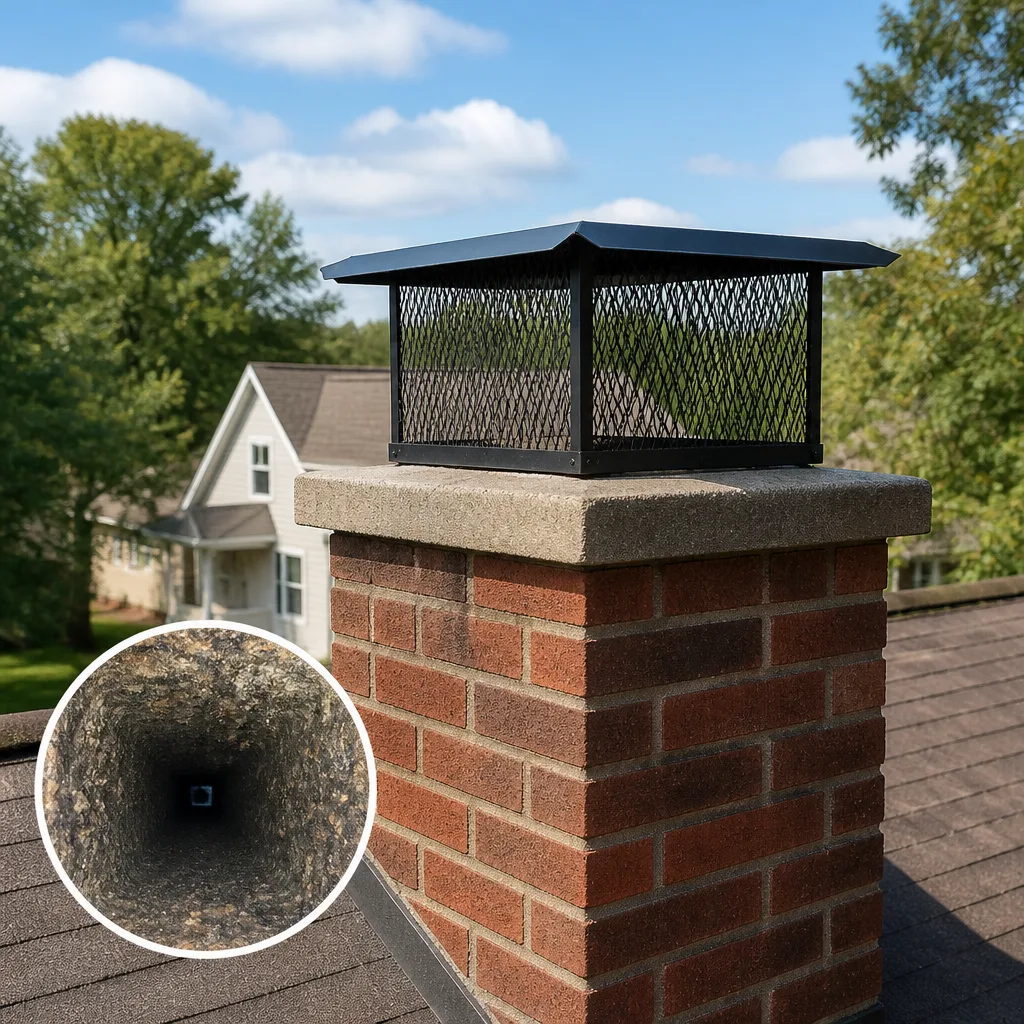 Sweep & inspection
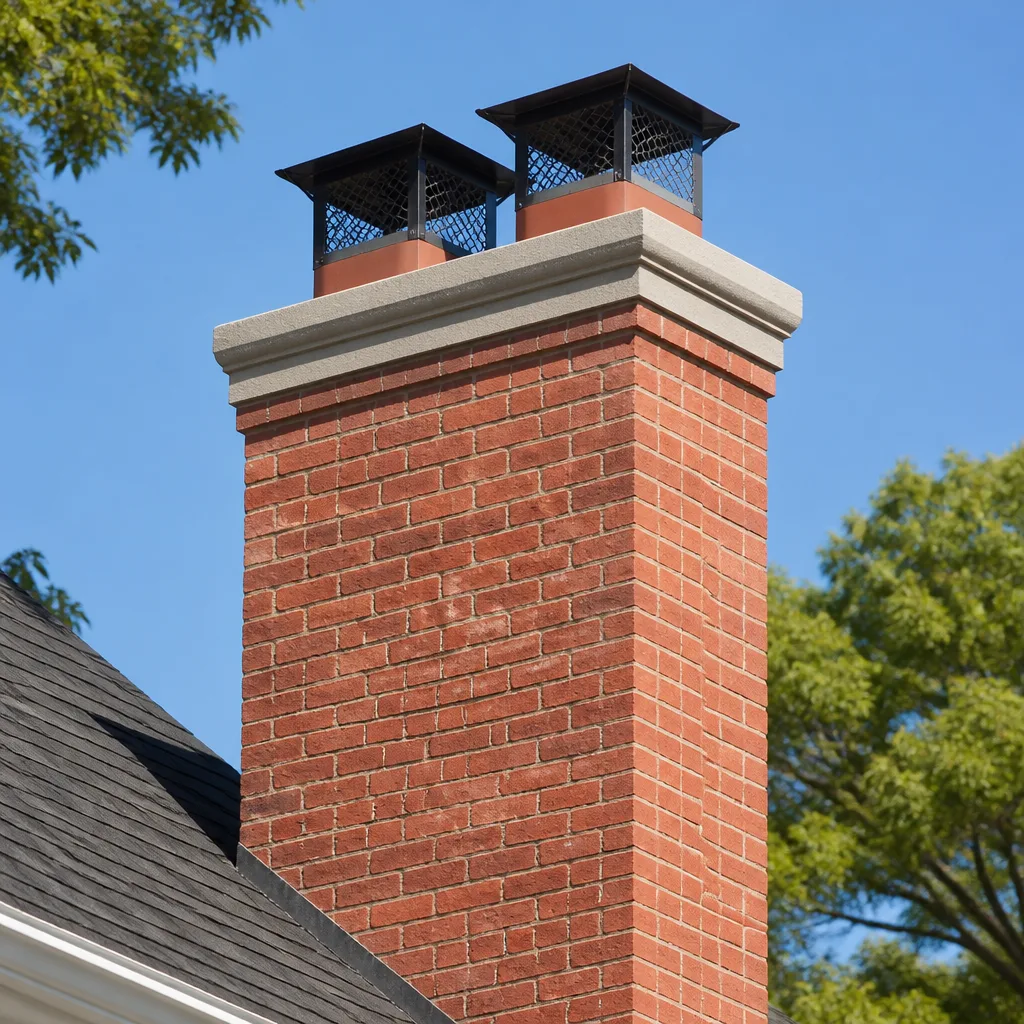 Caps & crowns
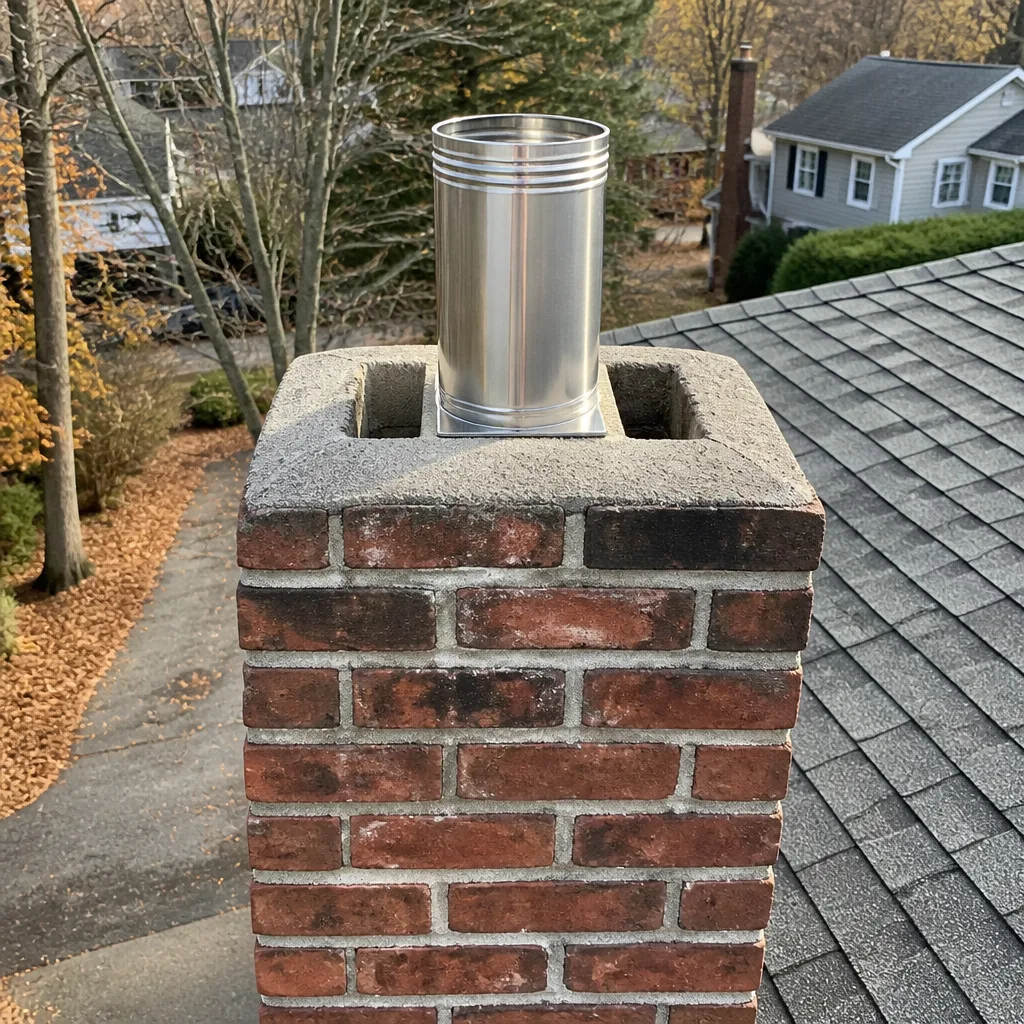 Flue relining
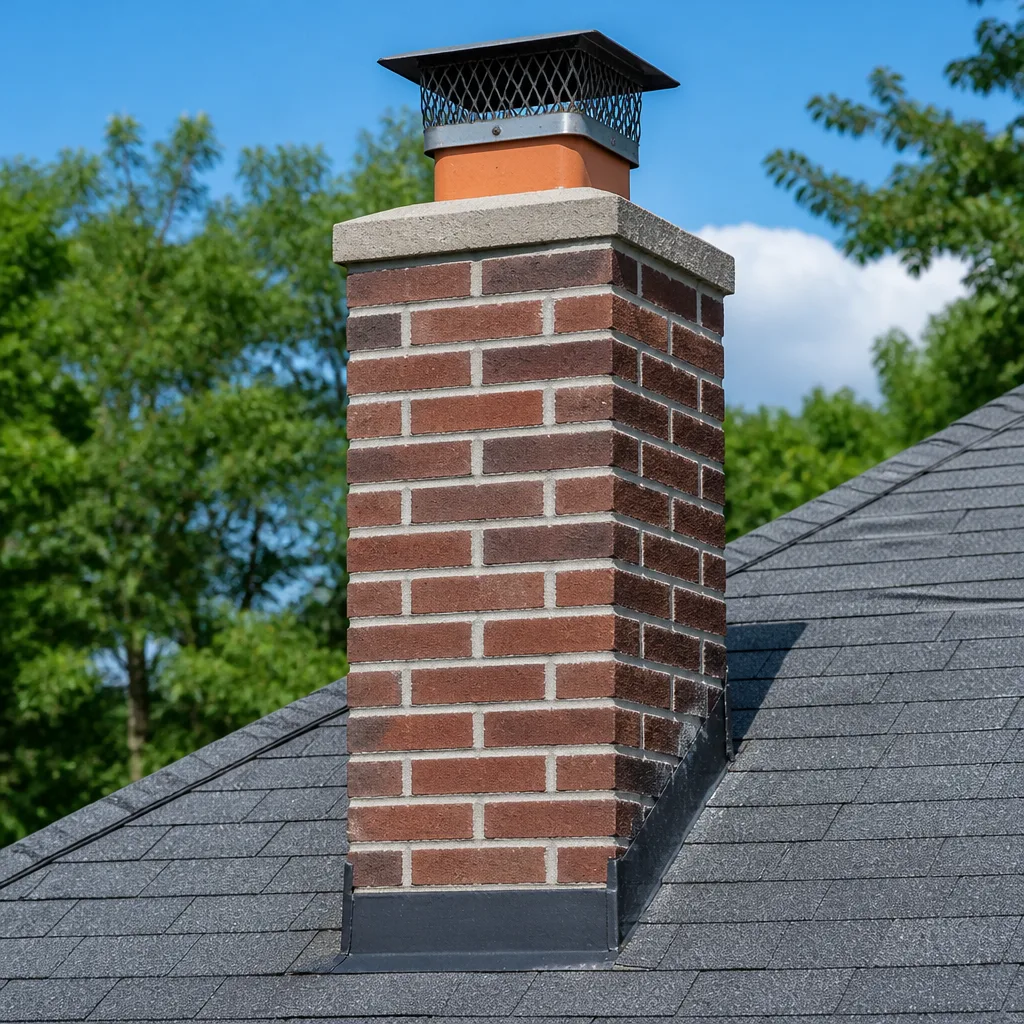 Masonry repair
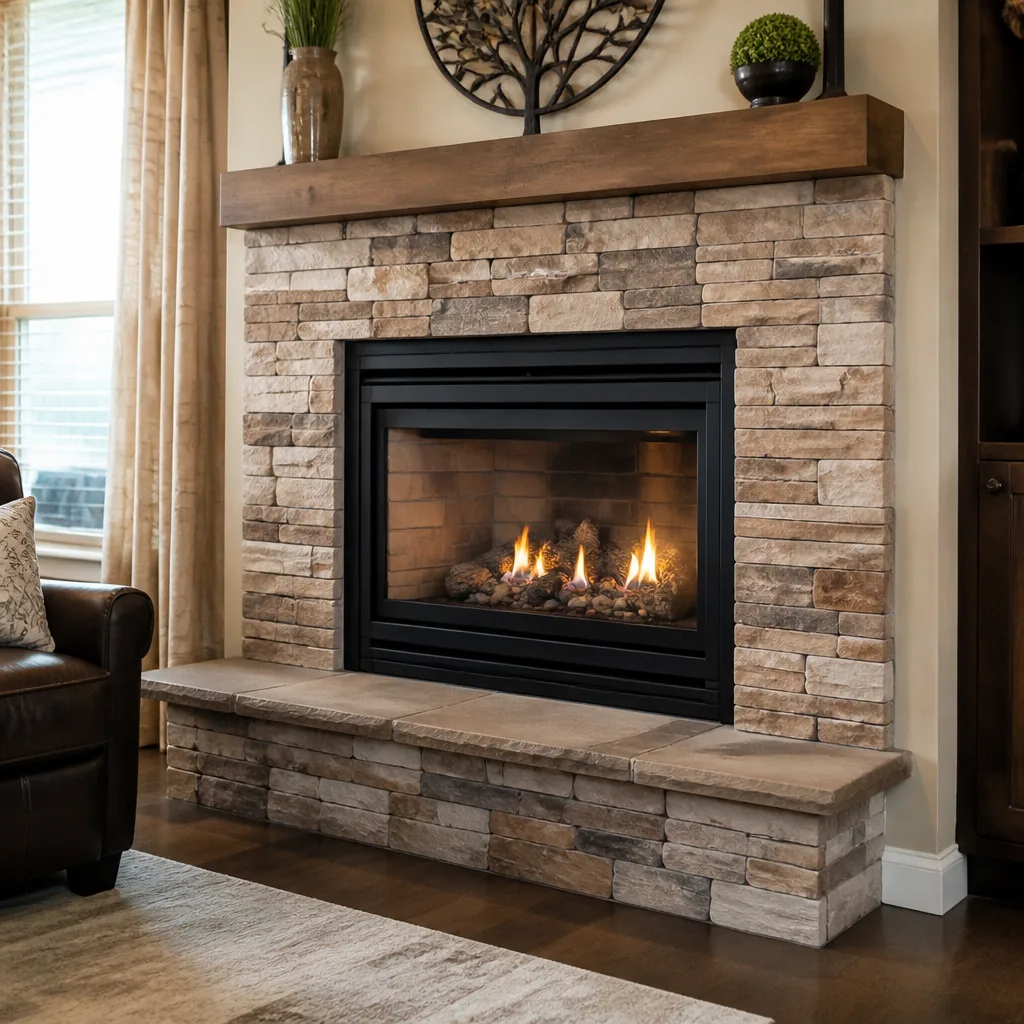 Gas fireplace service
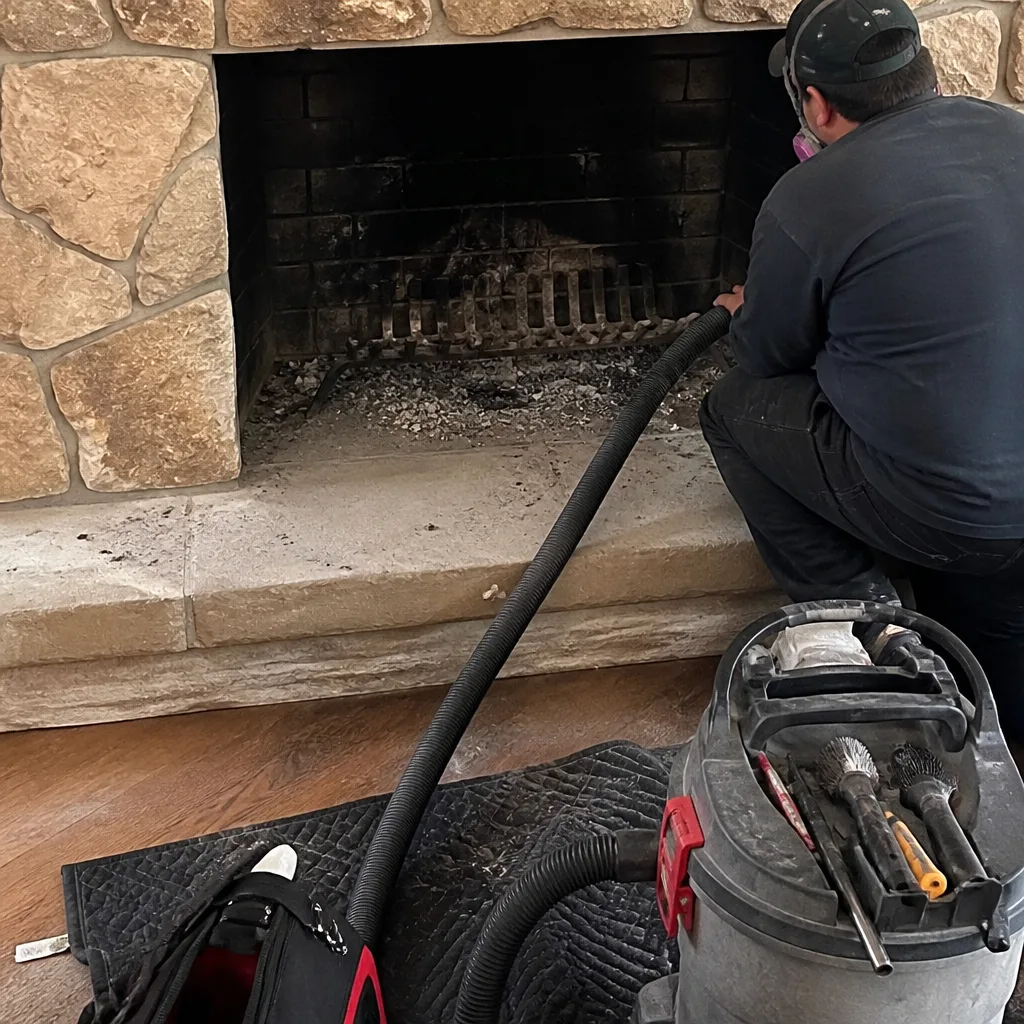
Level 1 sweep and inspection to the NFPA 211 annual standard - flue, crown, cap, and flashing checked and photographed
Chimney sweep logs do not sweep chimneys. They loosen some creosote - which then falls where a brush and vacuum still have to collect it.
DIY vs Professional Chimney Cleaning: The Carrollton Homeowner’s Decision Guide
The most dangerous chimney in Carrollton isn’t the one that hasn’t been touched in five years. It’s the one that was DIY-cleaned last season, looks fine from the firebox, and has a cracked liner the homeowner had no way to detect. That’s the uncomfortable truth at the center of this debate. Cleaning a flue is not the hard part. Knowing what you’re looking at afterward is. This guide walks through what a homeowner can realistically pull off with a consumer brush, where DIY crosses from reasonable to risky, why the creosote stages matter so much, and how the inspection gap is where most chimney fires actually begin. You’ll come away with a clear rule for handling your own chimney work between professional visits, and an honest read on when it’s time to pick up the phone here in Carrollton.
Quick Answer
DIY chimney cleaning is reasonable for light, routine soot removal in a chimney that’s already been inspected and certified in good shape. It is not a substitute for an inspection, and it cannot safely handle Stage 2 or Stage 3 creosote, liner cracks, or hidden structural damage. For any chimney that hasn’t been professionally inspected, or that shows draft problems, odors, or visible damage, a professional sweep and inspection is the safer and more honest starting point in Carrollton.
Styles & brands we work with
- Sweep & inspection
- Caps & crowns
- Flue relining
- Masonry repair
- Gas fireplace service
Table of Contents
- What DIY Chimney Cleaning Actually Looks Like
- Consumer Brushes vs Professional Equipment
- The Three Stages of Creosote and Why They Matter
- The Inspection Gap: Where Chimney Fires Start
- When DIY Is a Reasonable Choice
- When DIY Becomes a Real Risk
- How to Use DIY Maintenance Between Professional Visits
- Common Mistakes to Avoid
- When to Call a Professional
- Frequently Asked Questions
- The Bottom Line
What DIY Chimney Cleaning Actually Looks Like
Here’s what DIY cleaning actually involves. You buy a polypropylene brush sized to your flue, attach it to fiberglass rods, cover the firebox opening with plastic sheeting, and push the brush up from the bottom or down from the roof. You work it through the flue, pull it back, repeat, vacuum the debris with a shop vac. For a chimney in decent shape with light soot, this genuinely removes a fair amount of the surface coating.
It’s also messier and more physically demanding than most YouTube videos suggest. Soot is a fine, pervasive dust. It finds every seam in your drop cloth. If you’re working from the roof, you’re managing a ladder, rods, and a brush from an elevated position, and falls from ladders are a real cause of household injury. Many Carrollton homes have one-story rooflines that make this manageable and two-story rooflines that don’t. If your roof access requires stepping onto a steep pitch or working near a valley or gutter edge, that’s a stop-and-reconsider moment.
What DIY cleaning does not involve, in almost every homeowner setup, is a camera. It doesn’t involve a light source angled up the entire flue, a look at the smoke chamber, or any way to confirm that the liner you just brushed past is intact. Those aren’t accessories. They’re the entire point of a professional sweep. A sweep cleans; an inspection confirms. The cleaning is visible work you can feel. The inspection is the invisible work that tells you whether the chimney is safe to use. So a homeowner who DIYs and calls it done has done half the job, and usually the less important half.
Consumer Brushes vs Professional Equipment
The gap between a hardware-store brush and professional chimney equipment is wider than most homeowners expect. A consumer brush is generally one material, one diameter, and one stiffness. That’s fine for light soot on a straight flue. It’s not fine for the varied surfaces inside a real chimney system.
- Brush materials. Professionals carry polypropylene, wire, and hybrid brushes and choose based on what they find. A stiff wire brush on a clay tile liner in poor condition can do more harm than good. Polypropylene is gentler and appropriate for most residential flues, but it won’t cut through glazed creosote. Wire cuts through it but risks the liner.
- Rod systems. Consumer rods are often short and flexible in ways that make it hard to keep the brush tracking the full flue. Professional rods maintain pressure and reach the entire length, including the smoke chamber above the damper that most homeowner setups can’t reach at all.
- Camera inspection. This is the biggest difference. A professional sweep finishes with a camera run through the flue, and you see the video. It’s how we catch liner separation, cracked tiles, gaps at joints, and internal damage that a brush never reveals.
- Creosote removal tools. Stage 2 and Stage 3 creosote require rotary tools, chemical treatment, or mechanical removal techniques that consumer equipment doesn’t attempt.
- Respiratory and containment equipment. Professional setups manage soot and dust as a containment problem, not a household mess problem. That matters in a Carrollton home with central HVAC running.
The short version: a consumer brush can clean a healthy flue. It cannot diagnose one, and it can’t touch the deposits that actually cause chimney fires. Those two limits are the whole story.
The Three Stages of Creosote and Why They Matter
Creosote is the residue of incomplete combustion. It accumulates on the flue walls every time you burn, and it comes in three stages. The stage matters more than the thickness, because the danger escalates sharply as creosote matures.
Stage 1: Soot and Flaky Creosote
Fresh, flaky, and dusty. This is what a brush was built for. It’s easy to remove, even with consumer tools, and it’s what most DIY cleaning actually addresses. If your chimney only ever accumulates Stage 1, you’re in good shape and routine brushing helps.
Stage 2: Glazed Creosote
Darker, harder, and shinier. Stage 2 creosote has bonded to the flue surface. A standard polypropylene brush slides over it. It requires chemical treatment, rotary tools, or professional mechanical removal, and a homeowner working with a consumer brush will often either not remove it at all or damage the liner trying. This is the stage most homes reach after a few seasons of wood burning.
Stage 3: Glazed, Hardened, and Highly Combustible
This is the dangerous stage. It’s hard, glassy, and intensely flammable, and it’s a leading contributor to chimney fires. Stage 3 creosote is not a homeowner removal job. It needs professional tools and often a camera inspection afterward to assess the liner for damage the creosote may have caused or masked. Consumer brushes won’t touch it, and attempting to force the issue can crack tiles and worsen the situation.
In Carrollton, the mild winters encourage a lot of fireplace use with relatively low, slow, smoky fires on cool evenings. That burn pattern is exactly the recipe for creosote accumulation. The less efficient the burn, the faster creosote builds and the sooner a chimney crosses from Stage 1 into Stage 2 and beyond. This is why the stage question is more fundamental than the “how often” question.
The Inspection Gap: Where Chimney Fires Start
Chimney fires don’t start because a flue was dirty. They start because a flue was dirty in a specific place and nobody looked at it. The inspection gap is the space between what a homeowner can see and what’s actually there. And it’s almost always where the problem lives.
Here’s what DIY cleaning never reveals:
- Cracked or separated clay tiles. A hairline crack in a flue tile is invisible from the firebox and invisible from a roof-side glance. It’s the pathway for heat and creosote to reach combustible framing. It’s also the thing a camera catches in seconds.
- Liner gaps at joints. Flue tiles stack. The joints are where separation, mortar loss, and misalignment happen. You cannot see them by brushing.
- Smoke chamber deterioration. The smoke chamber above the damper is angled and irregular, easy for creosote to collect and nearly impossible to clean effectively from the firebox without specialized tools.
- Cap and crown damage. A failed cap lets water, animals, and debris in, and water is what destroys liners from the inside. DIY brushing doesn’t address the cap or crown, which means root causes stay in place.
- Internal blockages. Bird nests, debris piles, and dislodged tiles can sit above the flue and below the cap. A brush run from below may push through them without removing them.
- Draft and combustion issues. Poor draft, smoke spillage, and carbon monoxide risk show up as symptoms of structural issues that a sweep alone doesn’t solve. This is what chimney repair work is designed for.
This is the core thesis of the whole guide. A homeowner who DIYs a chimney that hasn’t been inspected has done a useful cleaning task and gained a false sense of security. The false sense of security is the actual hazard. A dirty chimney that everybody knows is dirty gets swept. A “clean” chimney nobody inspected gets used.
When DIY Is a Reasonable Choice
DIY chimney cleaning is reasonable in specific, narrow situations. If they match your chimney, the practice is fine, and we’d rather see a homeowner maintain a healthy chimney than ignore it.
- Your chimney was professionally inspected recently and confirmed in good shape. A passed inspection establishes the baseline. A DIY clean between professional visits is reasonable when you know the liner is intact.
- You burn dry, well-seasoned hardwood and see only fluffy Stage 1 soot. Light flaky creosote responds to consumer brushes. If you’re not seeing dark glaze or shiny deposits, the risk profile is lower.
- You have safe, straightforward roof access and a one-story flue. If you can safely access the flue from the roof without working on a steep pitch or awkward edge, the physical risk is manageable.
- You have the right brush for your flue material. Polypropylene for most clay tile and stainless liners. Do not use a stiff wire brush on a clay or stainless liner unless a professional tells you to.
- You’re cleaning frequently enough that deposits never mature. A once-a-season brush at the end of the burn season keeps Stage 1 from becoming Stage 2 in a well-managed chimney.
- You have realistic containment and cleanup. Plastic sheeting, a HEPA shop vac, and a plan for the soot. If you can’t manage the dust, the job will be half done.
Notice what’s missing from that list: inspection. DIY cleaning is a maintenance task on a chimney you already know is sound. It is never a substitute for finding out whether it is. If you haven’t been inspected, that’s the call to make first, and it’s what a chimney sweep visit is for.
When DIY Becomes a Real Risk
DIY crosses from maintenance into liability in a handful of predictable scenarios. These are the situations where a brush can make things worse, or more commonly, where it makes no difference because it can’t reach the actual problem.
- No professional inspection on record. You don’t know the liner is sound. DIY risk is highest here because cleaning creates confidence you didn’t earn.
- Any Stage 2 or Stage 3 creosote. Glazed deposits won’t come off with a consumer brush, and forcing them can damage the liner. This is not a homeowner job.
- A recently purchased home. You have a seller’s disclosure and no history. A full inspection should come before any DIY cleaning so you know the starting condition.
- Any history of a chimney fire. Even a small one can leave hidden cracks in the flue tiles. DIY cleaning won’t find them, and using a post-fire chimney without inspection is a serious risk.
- Draft problems, odors, or smoke spillage. These are symptoms that cleaning alone won’t fix. They often point to structural issues like a cracked liner or a failing cap. The right answer is a proper diagnosis and repair.
- Water damage, stains, or a damaged crown or cap. Water is the leading cause of liner and masonry failure. Cleaning doesn’t address the source, and the failed cap needs replacing with a proper cover from a brand like Copperfield or Gelco.
- Installing or converting a liner or insert. Relining is code-relevant work and a high-skill job. A DIY attempt with consumer materials and no inspection is a roll of the dice. Professional-grade liners from brands like DuraFlex and liner resurfacing with HeatShield are the standard for this work, and it’s a repair scope a generalist shouldn’t take on.
In each of these cases, the DIY clean doesn’t fail visibly. It “looks fine.” That’s what makes it dangerous.
How to Use DIY Maintenance Between Professional Visits
Here’s the productive role for DIY: low-risk habit maintenance between professional sweeps, not instead of them. If your chimney has been inspected and cleared, you can keep it healthier between professional visits with these habits.
- Burn dry, seasoned hardwood. Wood that’s under 20% moisture burns hotter and cleaner, which means less creosote. Wet wood is the most common cause of rapid creosote buildup. In Carrollton, wood stored in a humid spring needs long drying time, so plan ahead.
- Build hot, efficient fires. Small, smoldering fires deposit more creosote than hot, complete burns. Keep the damper open and don’t choke down the air early.
- Watch for the signs of Stage 2. If you see shiny or glazed deposits at the top of the firebox or on the damper, stop and call. You’re past the DIY zone.
- Keep the cap and crown clear. Check from the ground that the cap is intact and the crown isn’t visibly cracked. Water intrusion and animal entry are the most common preventable damage. A replacement cap from a proper source is a professional install, not a hardware-store fix.
- Do a light brush at the end of the burn season, not the start. End-of-season brushing removes the soot before summer humidity can cause it to bond. It’s the best window for a low-risk DIY clean in a healthy chimney.
- Keep a log of what you burn and how often. It tells your sweep what to look for and gives you a real basis for the “how often should I sweep” question.
That’s the boundary. Burn clean, watch the signs, and leave the flue cleaning and inspection to a professional when the signs appear.
Common Mistakes to Avoid
- Treating a DIY clean as an inspection. If your chimney hasn’t been inspected in over a year, cleaning without a camera is cleaning without knowing. The inspection is the part that actually protects you.
- Using a wire brush on a clay or stainless liner. A stiff wire brush in the wrong hands can score a liner and accelerate damage. Polypropylene is the safe default for most residential flues.
- Attempting Stage 2 or Stage 3 creosote removal yourself. Glazed creosote requires professional tools and often a follow-up inspection. A consumer brush won’t remove it and can damage the flue trying.
- Ignoring the cap and crown while brushing. Cleaning the flue while leaving a failed cap in place is treating a symptom. Water intrusion is the biggest long-term destroyer of a Carrollton chimney’s liner.
- Burning wet wood to “stretch” the woodpile. It’s the fastest route back to Stage 2. Season your wood and store it dry.
- Working on a steep or two-story roof without a plan. Ladder and roof falls are common and preventable. If the access is marginal, the DIY clean isn’t worth the risk.
- Skipping the pre-purchase inspection on a new-to-you home. You can’t manage a chimney you don’t understand. Get the inspection, then decide how you want to maintain it.
When to Call a Professional
Call a professional when any of these apply: your chimney hasn’t been inspected in over a year, you recently bought the home, you see or suspect glazed creosote, you’ve had any chimney fire, you notice draft problems, smoke spillage, odors, stains, or a damaged cap or crown, or you’re considering a liner installation or relining. All of those are situations where the inspection and diagnosis matter more than the cleaning. In Carrollton, a professional sweep starts with the camera and ends with a written summary of what was found, so you’re never guessing. Once that’s done, a healthy chimney is a candidate for sensible DIY maintenance between visits. Carrollton Chimney Cleaning offers free estimates in Carrollton. Call (833) 946-9706 to book a sweep, inspection, or repair assessment.
Frequently Asked Questions
You can clean a healthy chimney yourself between professional visits, but you shouldn’t skip the professional entirely. DIY cleaning removes soot but cannot inspect the liner, smoke chamber, or cap for damage. Professional sweeps include a camera inspection that finds the cracks and gaps a brush leaves behind, and that inspection is where the safety value lives.
Most wood-burning chimneys in Carrollton should be swept and inspected once a year, more often if you burn frequently or see glazed deposits. The annual inspection is the important part: it establishes the baseline condition so you know whether your DIY maintenance between visits is actually appropriate. Gas insert and oil-flue systems follow a similar annual inspection schedule.
Skipping the sweep lets creosote progress from Stage 1 to Stage 2 and eventually Stage 3, which is highly combustible and a leading contributor to chimney fires. Skipping the inspection is the bigger risk: hidden liner cracks let heat reach framing and also let carbon monoxide escape into the home. Skipping cleaning and skipping inspection are different, and the inspection matters more.
No. Stage 2 creosote bonds to the flue wall, and a standard consumer brush slides over it or damages the liner trying to force it. Stage 2 and Stage 3 removal requires professional tools, chemical treatment, or rotary techniques, followed by a camera inspection of the liner. Call us for an assessment before attempting it.
Yes. A pre-purchase or new-owner inspection should come before any cleaning, because it establishes the actual condition of the liner, cap, and smoke chamber. Cleaning a chimney you don’t understand creates false confidence. Get the inspection, learn what you’re working with, then decide how to maintain it going forward.
It can be, but it depends on roof access, pitch, and how comfortable and careful the homeowner is with ladder and roof work. Falls from ladders and roofs are a preventable cause of injury. If the access requires a steep pitch or awkward edge work, bring in a professional rather than risking a fall for a routine cleaning.
Pricing is set per job by a written estimate, and the estimate is free. Call (833) 946-9706 and we’ll quote the actual sweep and inspection for your chimney. It’s the honest way to price it: we quote after we know what the chimney looks like, not before.
The Bottom Line
The DIY vs professional debate is mostly a category error. Most mechanically inclined homeowners can clean a healthy flue, and there’s nothing wrong with that as maintenance between professional visits. What no homeowner can do with consumer tools is inspect a flue, detect early liner failure, or address Stage 2 and Stage 3 creosote safely. The chimney fires happen in that gap. So the practical rule for a Carrollton homeowner is simple: get the chimney professionally inspected first, maintain it with sensible DIY habits between visits, and call a professional at the first sign of glazed creosote, draft problems, or water damage. Sweep, inspect, repair: treated as one system, not three separate errands. Call (833) 946-9706 for a free estimate. We answer 24/7. Fast dispatch from 7am to 7pm, Sunday through Friday.
Related Reading in Carrollton
If you’d like to see how sweep, repair, and inspection fit together under one roof, start with Carrollton Chimney Cleaning. For a closer look at the local service area, see our guide to Carrollton.
Written by the team at Carrollton Chimney Cleaning.
See the difference
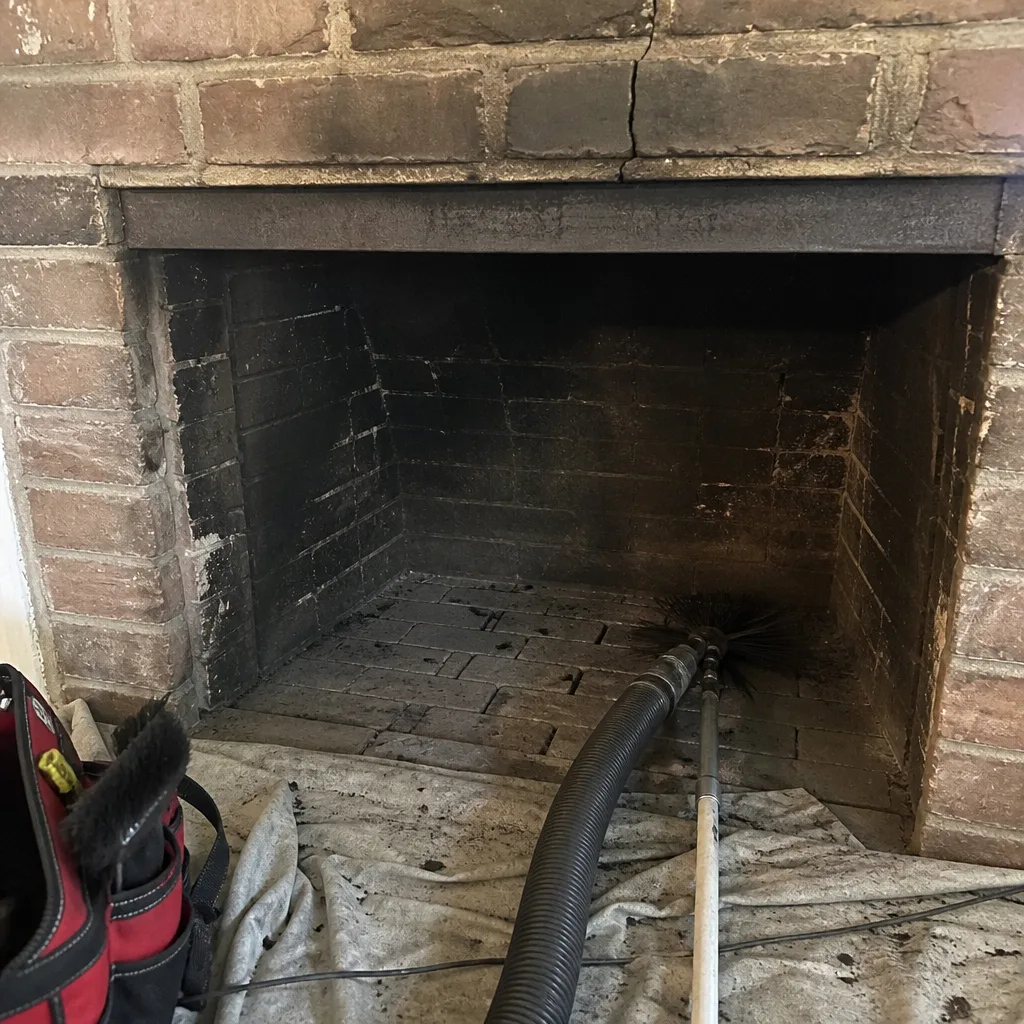 Before
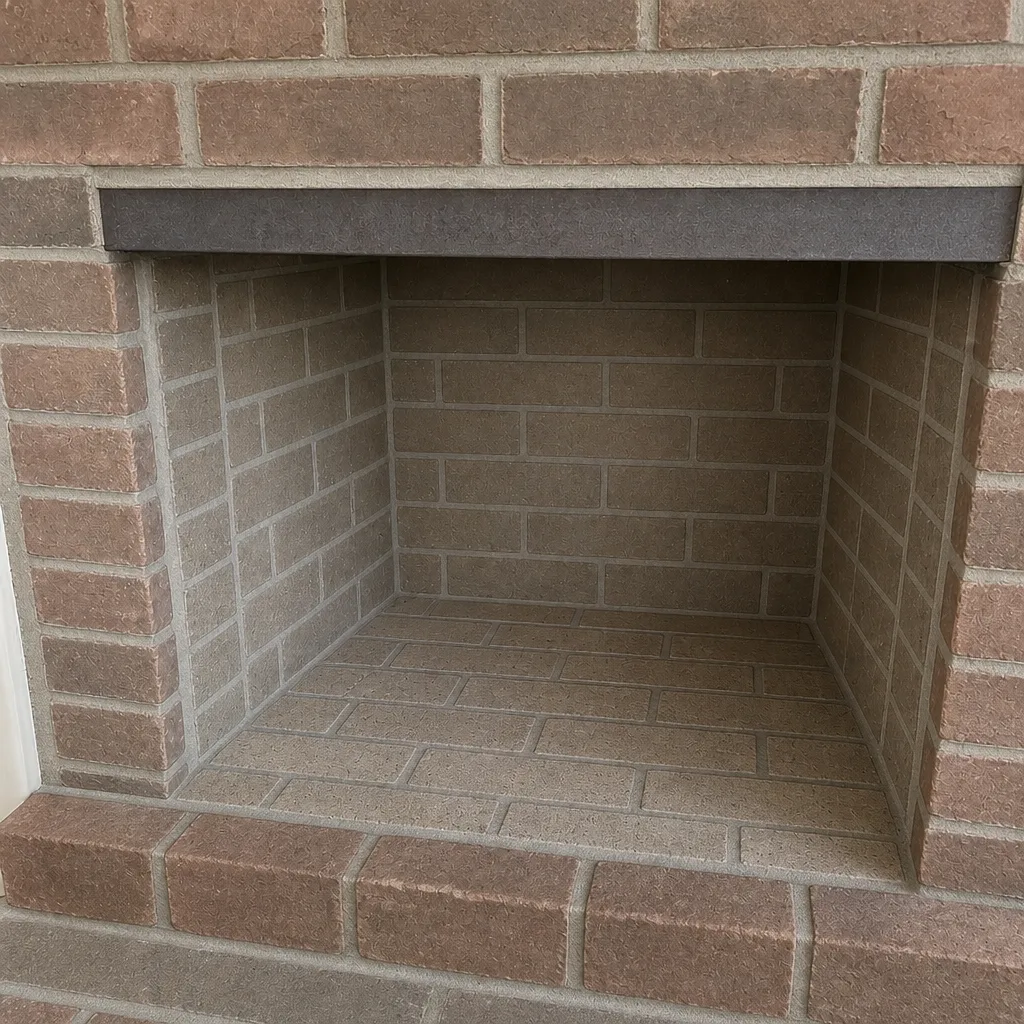 After
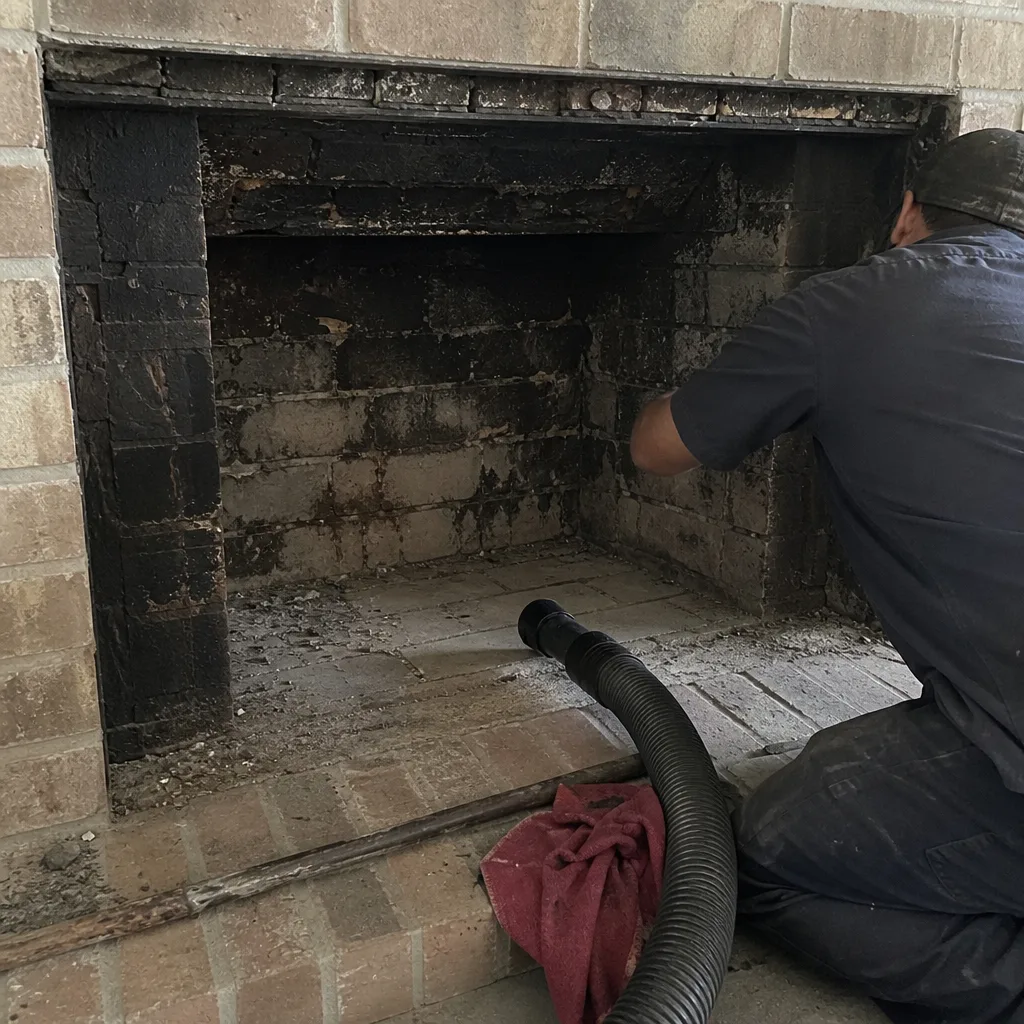 Before
 After
 Before
 After