
Last updated November 15, 2026
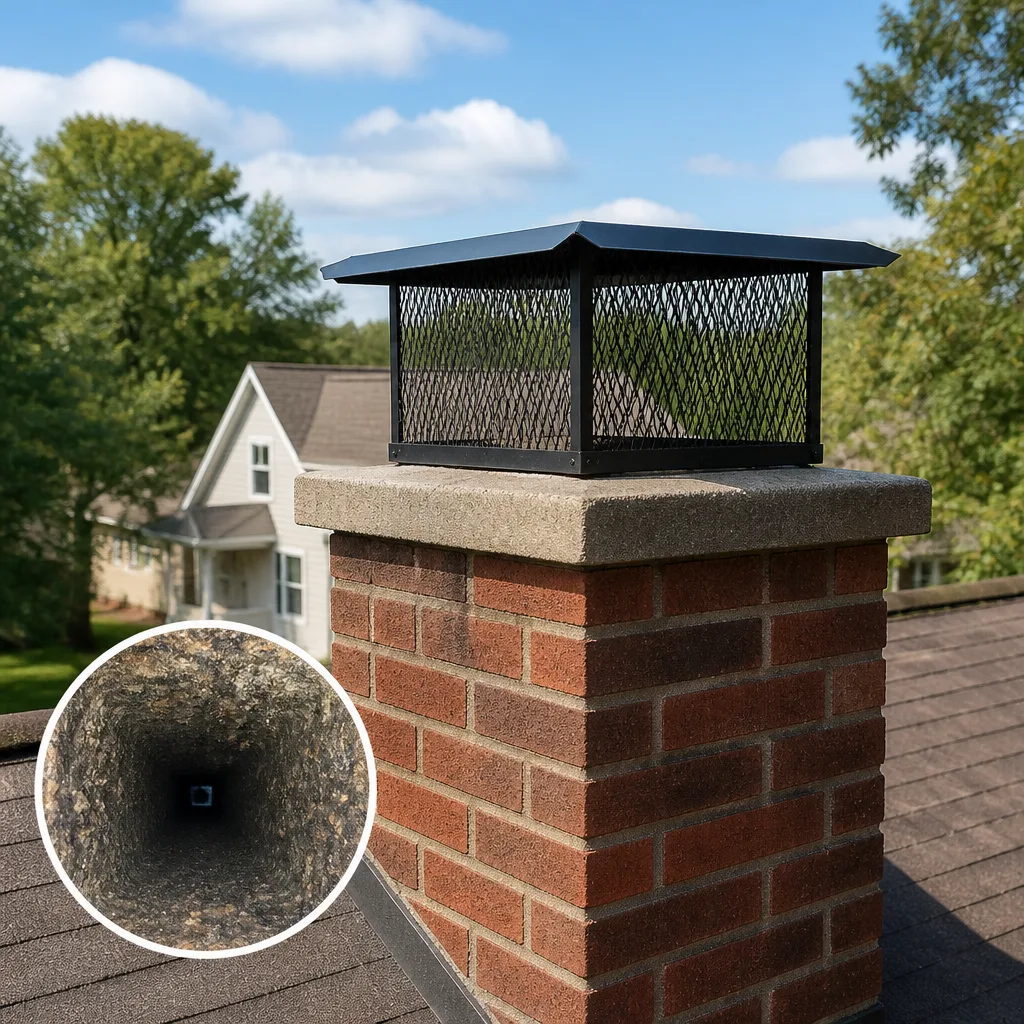 Sweep & inspection
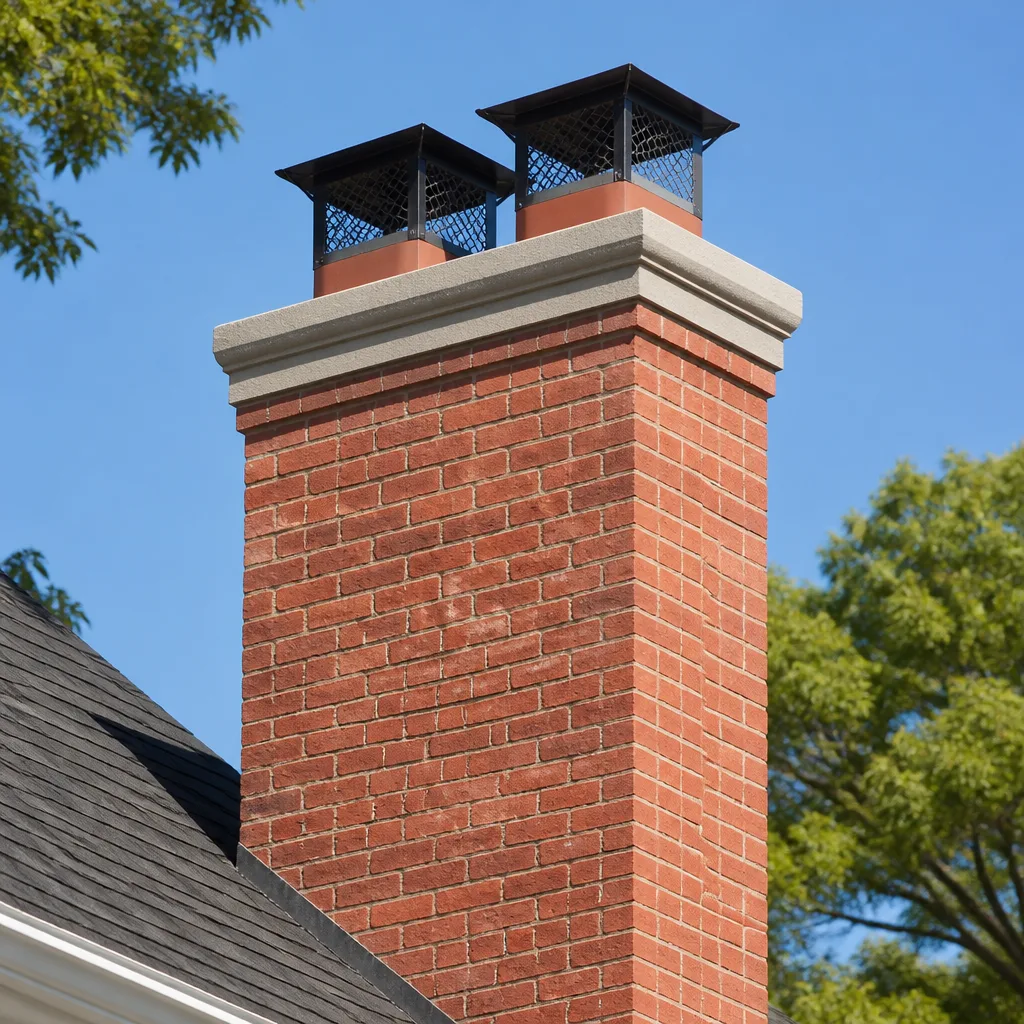 Caps & crowns
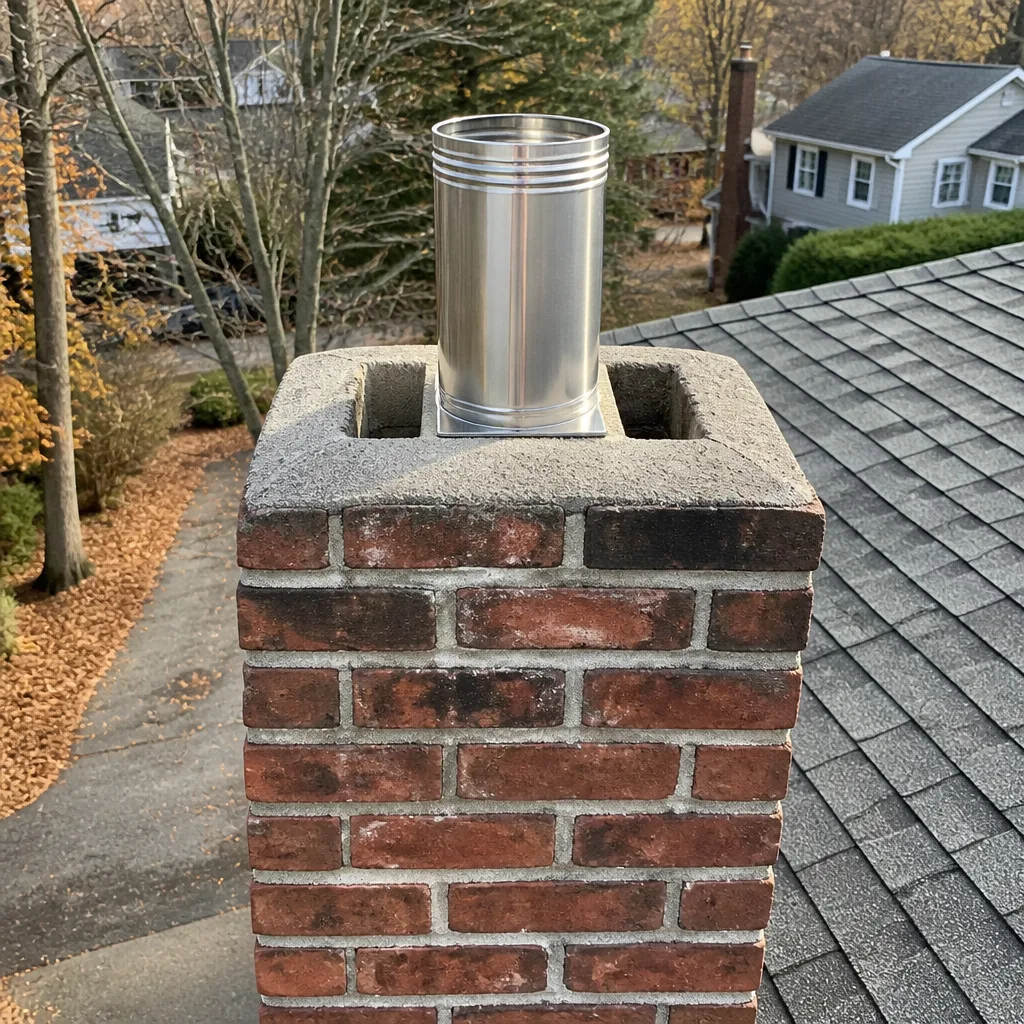 Flue relining
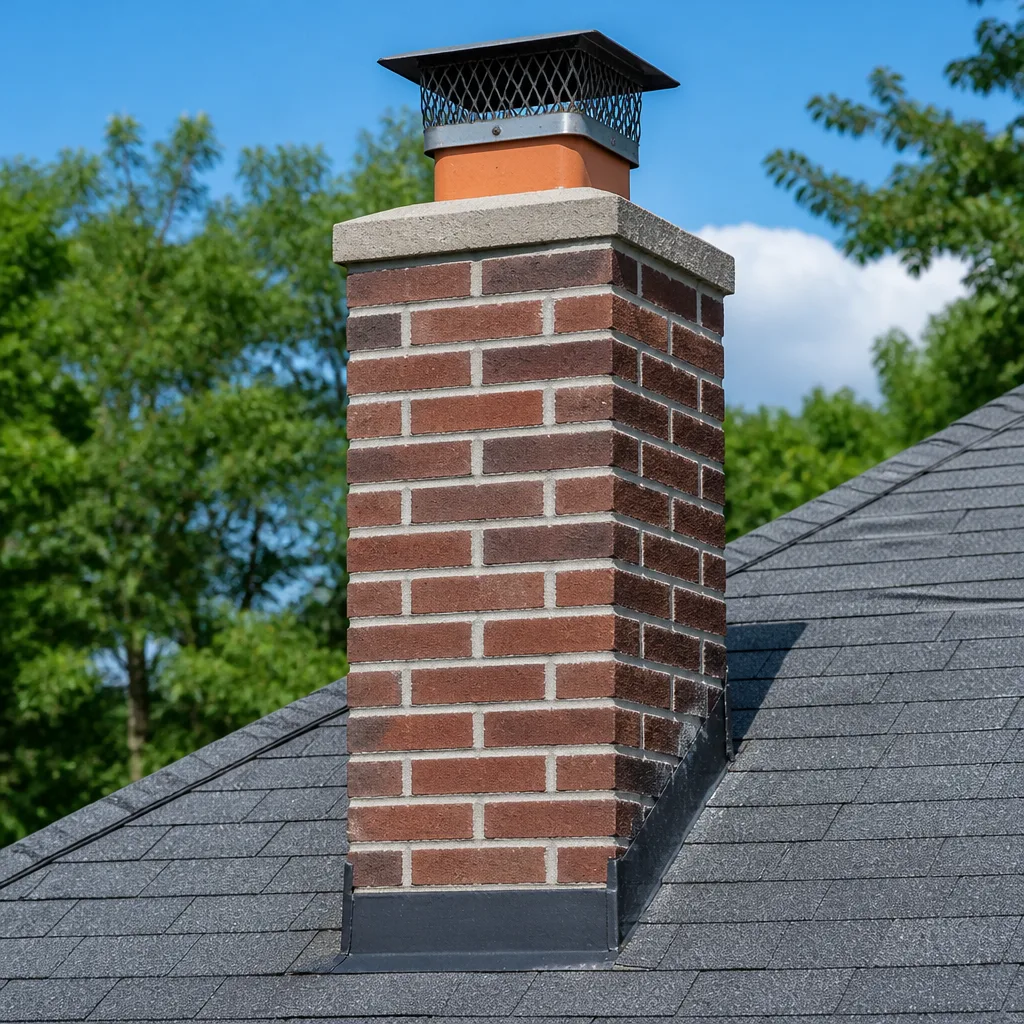 Masonry repair
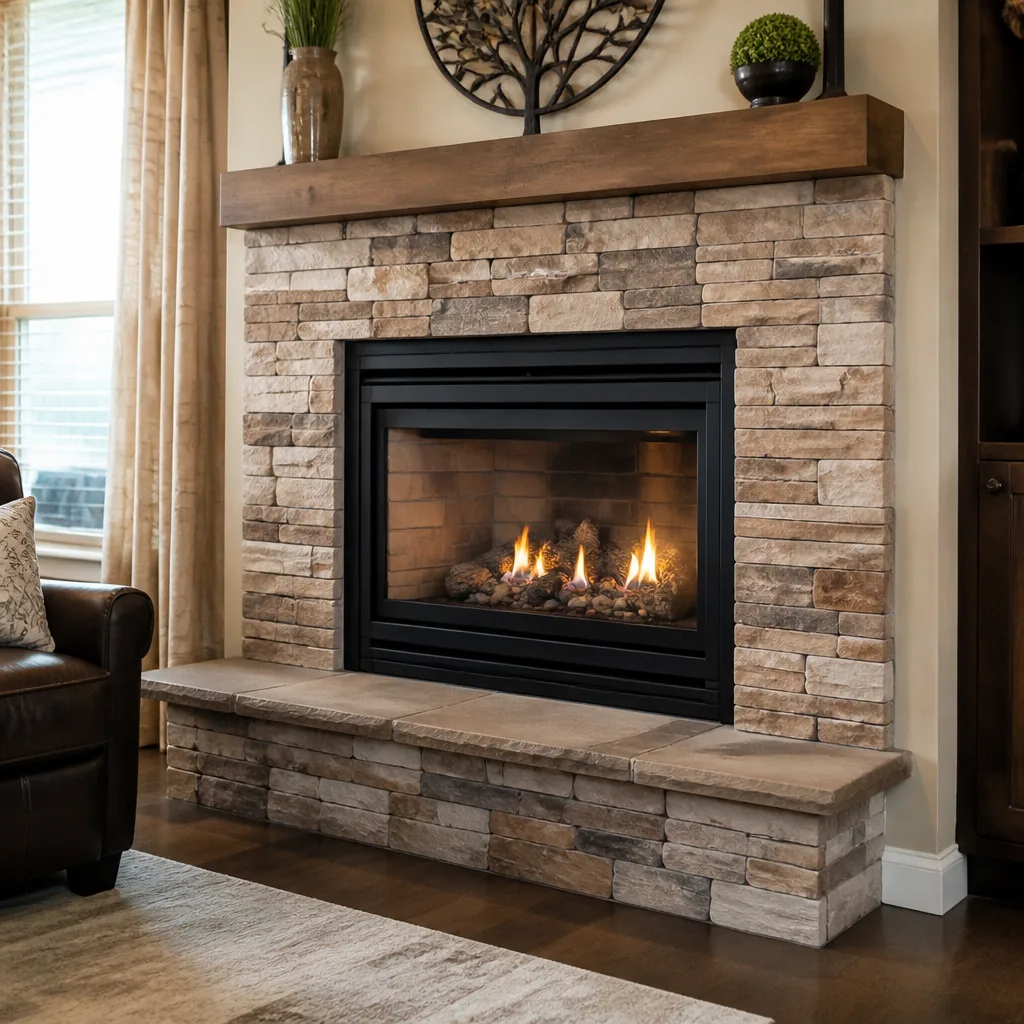 Gas fireplace service
Level 1 sweep and inspection to the NFPA 211 annual standard - flue, crown, cap, and flashing checked and photographed
Chimney sweep logs do not sweep chimneys. They loosen some creosote - which then falls where a brush and vacuum still have to collect it.
Chimney Sweep Troubleshooting in Carrollton: Common Problems and How to Fix Them
When a fireplace smokes back into the room, most online advice tells you to crack a window. That’s a band-aid. In our experience, smoke coming back into a Carrollton living room is rarely a dirty flue on its own; it’s usually a draft imbalance, and opening a window just hides the symptom while the real problem keeps getting worse. The same pattern shows up with odors, stains, and strange noises. Homeowners chase the surface issue, spend money on the wrong fix, and the chimney keeps failing. This guide teaches you to read the warning signs correctly: how to tell a draft problem from a blockage, what white staining on the firebox actually means, what each chimney sound indicates, and when a Carrollton chimney needs a trained eye instead of a DIY guess.
Quick Answer
Most chimney problems in Carrollton fall into four buckets: draft issues, blockages, moisture intrusion, and structural damage to the crown or liner. You can separate a draft problem from a blockage with a simple smoke test, and white staining inside the firebox points to water getting in. Anything involving the liner, crown, or recurring smoke needs a certified sweep with a camera inspection. In Carrollton, the clay-heavy soil makes settling one of the most common root causes of crown cracks.
Styles & brands we work with
- Sweep & inspection
- Caps & crowns
- Flue relining
- Masonry repair
- Gas fireplace service
Table of Contents
- Draft Problem or Blockage? How to Tell Them Apart
- The Smoke Test: A Simple Diagnostic Before You Call Anyone
- White Staining on the Firebox: What Efflorescence Tells You
- Reading the Sounds Your Chimney Makes
- Why Carrollton’s Clay Soil Cracks Chimney Crowns
- When a DIY Fix Is Fine and When It Isn’t
- Creosote and the Problems It Causes
- What a Proper Camera Inspection Actually Reveals
Draft Problem or Blockage? How to Tell Them Apart
Draft problems and blockages can look identical from the living room: smoke spills, the fire struggles, odors linger. But they have different causes and different fixes. Getting this distinction right is the single most useful troubleshooting step a Carrollton homeowner can take, because it determines whether you’re looking at a maintenance issue or a repair.
A blockage is physical. Something is in the flue stopping air from moving: a nest, a fallen cap, built-up creosote, or a collapsed liner section. A draft problem is a pressure issue. The flue is clear, but the house is fighting the chimney for air. Common culprits include a tightly sealed home, a running kitchen or bath exhaust fan, a furnace or water heater pulling combustion air, or a chimney that’s too short for the roofline.
Here’s how to tell them apart before you pick up the phone:
- Does it happen every fire, or only sometimes? A consistent problem points to a blockage. Intermittent smoke that depends on whether the HVAC is running, the bathroom fan is on, or a door is open points to draft.
- Does the smell linger when the fireplace is cold? A cold chimney that smells like soot or campfire is often blocked or heavily creosoted. A draft issue usually goes quiet when there’s no fire.
- Do other appliances in the house misbehave? If the water heater or furnace also has venting trouble, you’re likely looking at a whole-house pressure problem, not a chimney-specific one.
- Is there visible debris on the smoke shelf or in the firebox? That’s a strong sign of a blockage.
In Carrollton, we see more draft complaints in tightly built newer homes than in older ones, because modern construction seals the house so well that the chimney has to compete for every cubic foot of air. If your home was built in the last couple of decades and smoke spills only when the HVAC kicks on, that’s your clue.
The Smoke Test: A Simple Diagnostic Before You Call Anyone
You can tell a draft problem from a blockage in about ten minutes with a smoke test, and it’s safe as long as you don’t light a fire. The idea is to introduce a small, controlled amount of smoke at the firebox and watch where it goes.
Here’s the sequence we recommend:
- Make sure the firebox is completely cold. No embers, no warm ash. Never do this test with a fire burning or smoldering.
- Open the damper fully and confirm it moved. A damper stuck partway closed will fail this test every time.
- Close all exterior doors and windows, then turn off exhaust fans. You want the house in its normal operating condition, not artificially pressurized.
- Light a small smoke source near the damper opening. An incense stick or a rolled piece of paper you blow out works. Hold it just inside the firebox.
- Watch the smoke. If it rises straight up the flue and disappears, your draft is working. If it rolls out the top of the firebox, hovers, or pushes back into the room, the chimney isn’t pulling.
- Repeat with the HVAC running. If the smoke only misbehaves when the furnace or air handler is on, you’ve found a pressure-related draft problem.
A blocked flue will fail the test even with everything shut off and the damper open. A draft problem will usually pass when the house is quiet and fail once other appliances start moving air. That distinction saves you from paying for a sweep when what you really need is a draft diagnosis. For a deeper walkthrough of how a proper chimney sweep fits into this picture, our service page covers the process step by step.
White Staining on the Firebox: What Efflorescence Tells You
White, chalky staining on the brick inside the firebox or on the chimney exterior isn’t cosmetic wear. It’s called efflorescence, and it’s a moisture signal. When water gets into masonry, it dissolves salts in the brick and mortar. As the masonry dries, those salts migrate to the surface and crystallize, leaving a white powdery residue.
By the time efflorescence is visible, water has been entering the chimney for a while. The moisture usually comes from one of a handful of sources:
- A failed or missing rain cap. This is the most common cause we see in Carrollton. Water runs straight down an uncapped flue and soaks the interior masonry.
- Cracks in the crown. The crown is the concrete cap at the top of the chimney. Once it cracks, water wicks into the masonry below.
- Failed flashing where the chimney meets the roof. Flashing is the metal seal that keeps roof water out of the chimney joint.
- Spalling brick or crumbling mortar joints. Damaged masonry absorbs water instead of shedding it.
Efflorescence matters because moisture is the slow killer of chimneys. Wet masonry weakens over time, mortar joints deteriorate faster, and in the firebox, persistent moisture can damage the liner. A film of white powder on the firebox wall is your chimney telling you the envelope has a leak. The fix depends on where the water is entering: a new cap, crown repair, or flashing replacement. Gelco and Famco cap and cover solutions are what we reach for when a Carrollton chimney needs the top sealed properly, because the point is to address the root cause, not paint over the stain.
Reading the Sounds Your Chimney Makes
Chimneys talk. Most homeowners tune the noise out until something dramatic happens. But the specific sound tells you what’s going on, and learning to read it is one of the most useful troubleshooting skills you can develop.
Popping and crackling when there’s no fire. If you hear popping from inside the chimney while the fire is out, that’s often creosote that has hardened and is flaking or shifting. In some cases, it signals a fire that started and self-extinguished in the flue. Either way, it’s a sign to stop using the fireplace until it’s inspected.
Dripping or trickling water sounds. Water inside the chimney means moisture is getting past the cap, crown, or flashing. It’s often most noticeable during a heavy rain, and it’s the same moisture problem that produces efflorescence. Left alone, it corrodes dampers and damages masonry.
Scratching, fluttering, or chirping. Birds, squirrels, and raccoons nest in chimneys more often than people expect, especially in suburban areas with mature trees. A cap without a proper spark arrestor screen is an open door. If you hear scratching, don’t light a fire; animals or nests block the flue and force smoke back into the house.
A low whistle or whoosh. That’s usually the sound of air moving through a tight flue, and it can be normal. But if it’s new, or comes with smoke spillage, it may point to a pressure change in the house or a partial obstruction.
Rumbling or a deep roar. This is a red flag. A deep rumbling from the chimney can indicate a chimney fire, which can burn hot enough to damage the liner without ever being visible from the room. If you hear it, get out of the house and call the fire department. Don’t try to troubleshoot it yourself.
If any of these sounds persist, get a camera inspection before you use the fireplace again. A technician with the right equipment can see exactly what’s happening inside the flue.
Why Carrollton’s Clay Soil Cracks Chimney Crowns
Carrollton sits on the Blackland Prairie, and the soil under most of the city is heavy clay that expands when wet and contracts when dry. That shrink-swell cycle moves foundations, and anything attached to the house moves with them. Chimneys are especially vulnerable because they’re tall, heavy, and often sit at the edge of the structure where movement is worst.
When the ground below a chimney shifts, the chimney doesn’t just tilt. The crown, which is a thin slab of concrete or mortar at the top, takes the strain. It cracks. And once the crown cracks, water gets in, and the moisture problems we described above begin.
This is why crown failure in Carrollton looks different from what you’d see in other DFW cities. In areas with sandier or more stable soil, crown cracks usually come from weathering and age. In Carrollton, they often trace back to settling. The fix isn’t just patching the crack; it’s making sure the crown is rebuilt with the right slope and the right material, so water sheds properly and the repair holds against future movement.
Signs a Carrollton crown has failed:
- Cracks visible from the ground with binoculars or from a ladder inspection
- The crown no longer slopes away from the flue
- Chunks of concrete or mortar on the roof below the chimney
- Interior efflorescence or water stains in the firebox
- A chimney that visibly leans or separates from the house
If settling is severe, a chimney professional may recommend reinforcement or rebuilding, not just a patch. A general handyman can caulk a crack, but a repair that holds in Carrollton’s clay needs a mason who understands how soil movement affects the whole chimney system. That’s the difference between a fix and a temporary seal. Our chimney repair work routinely addresses crowns, caps, and flashing for exactly this reason.
When a DIY Fix Is Fine and When It Isn’t
Some chimney work is genuinely within reach of a careful homeowner. Most of it isn’t. Here’s an honest breakdown of where the line falls, based on what we see in Carrollton homes.
DIY-friendly:
- Checking the damper opens and closes fully
- Removing ash from the firebox between uses
- Doing the smoke test described above
- Clearing light debris from the smoke shelf with a vacuum rated for ash
- Visual inspection from the ground with binoculars
- Replacing a missing cap screen if you can safely reach it from a stable ladder on flat ground
Not DIY:
- Anything on the roof. Heights, steep pitches, and unstable surfaces cause serious injuries. Leave roof work to trained professionals.
- Liner inspection or repair. The liner is the chimney’s internal pipe. Damage to it allows heat and carbon monoxide into the house. It can only be assessed properly with a camera, and repairs like HeatShield resurfacing or a full DuraFlex liner install require specialized training.
- Crown or masonry repair. Concrete work at height, and any structural repair, needs a professional.
- Sweeping a heavily soiled flue. A trained sweep uses the right brushes and vacuums to remove creosote without filling the house with soot. If creosote has reached the glazed stage, only a professional should touch it.
- Any time you’ve heard a rumble or suspect a chimney fire. That’s a stop-use and call-the-fire-department situation.
The pattern is that anything involving height, the liner, structural masonry, or fire risk is a professional job. Everything else is a matter of homeowner awareness. If you’re unsure which side of the line your issue is on, a camera inspection resolves it quickly and gives you a plan you can trust.
Creosote and the Problems It Causes
Creosote is the tar-like byproduct of wood smoke condensing on the flue walls. It’s the leading cause of chimney fires, and it’s the most common reason a Carrollton chimney develops a draft problem that isn’t related to house pressure. The more often you burn, the faster it accumulates. Slow-burning fires, damp wood, and a cool flue all speed up the process.
Creosote builds in three stages, and each one matters for troubleshooting:
- First-degree creosote is soot and light flaky deposits. It brushes off cleanly and is what a routine sweep removes.
- Second-degree creosote is harder, tar-like, and clings to the flue. It brushes off with effort and a professional sweep can handle it.
- Third-degree creosote is glazed and hardened onto the flue wall. It doesn’t brush off. It requires specialized treatment or, sometimes, a liner replacement. It’s also highly flammable.
If your fireplace smells strongly of campfire even when it hasn’t been used in weeks, that’s a sign of heavy creosote. If smoke spills consistently during fires and a smoke test fails, creosote build-up may have narrowed the flue. The solution in both cases is a proper sweep with a camera inspection to confirm exactly where the build-up is and whether the liner is still sound.
The good news is creosote is manageable. Regular sweeps, burning seasoned wood, and keeping the flue warm while burning all limit how fast it accumulates. That’s the real reason a Carrollton Chimney Cleaning sweep schedule matters: it’s not about aesthetic cleanliness, it’s about keeping the flue clear enough to draft and keeping a fire hazard from building.
What a Proper Camera Inspection Actually Reveals
A camera inspection is the difference between guessing and knowing what your chimney needs. A tiny high-resolution video camera travels the flue, and the technician records what it sees so you can review it. This matters because the majority of serious chimney problems are invisible from the firebox and from the roof. They’re inside the flue.
Here’s what a camera inspection reveals:
- Liner condition. Cracks, gaps, and separated joints all show up clearly. A damaged liner is a carbon monoxide risk.
- Creosote distribution. The camera shows whether creosote is concentrated in one section, spread evenly, or glazed at the top.
- Blockages. Nests, fallen caps, or internal debris show up immediately.
- Offset or misaligned flue sections. Old chimneys in Carrollton sometimes have tile liners that have shifted from soil movement.
- Moisture damage inside the flue. Spalled tile and water staining confirm a leak.
- Previous repairs. If a chimney has been patched or relined before, the camera shows whether it was done correctly.
At the end, you should get a photo report you can see for yourself. That’s how we like to work: we identify what’s wrong before we recommend what to fix, and nothing gets recommended that isn’t backed by what the camera finds. When a repair is needed, we use HeatShield resurfacing for liners that can be restored and DuraFlex liner systems for full relining. When things can safely wait, we say so. That’s the standard a Carrollton homeowner should expect from any chimney professional.
Common Mistakes to Avoid
- Opening a window to stop smoke spillage. The window masks the pressure imbalance. It doesn’t fix the draft problem, and it can hide a real blockage that needs a sweep. Diagnose the cause; don’t just make the room breathable.
- Assuming white staining is just age. Efflorescence in a Carrollton firebox is a moisture signal, not a cosmetic one. Treating it as surface wear lets water keep damaging the masonry.
- Ignoring a rumble. A deep rumble from the chimney means get out and call the fire department. It’s not a noise to shrug off and investigate two weeks later.
- Hiring a general handyman for a chimney job. General contractors can’t properly assess liners, apply HeatShield resurfacing, or install DuraFlex liner systems. Those require specialized training and product-specific knowledge.
- Treating the crown as a cosmetic feature. A cracked crown lets water in and causes the damage you’ll later find inside the chimney. It’s the water entry point, not a decorative cap.
- Skipping the camera inspection. A sweep without a camera leaves the liner unverified. If you don’t know what’s inside the flue, you don’t know what you’re burning into.
- Assuming Carrollton’s mild winters mean you can wait. Chimney fire risk is about creosote build-up, not outside temperature. A chimney that sees regular fires still needs routine inspection, regardless of how mild the season is.
See the difference
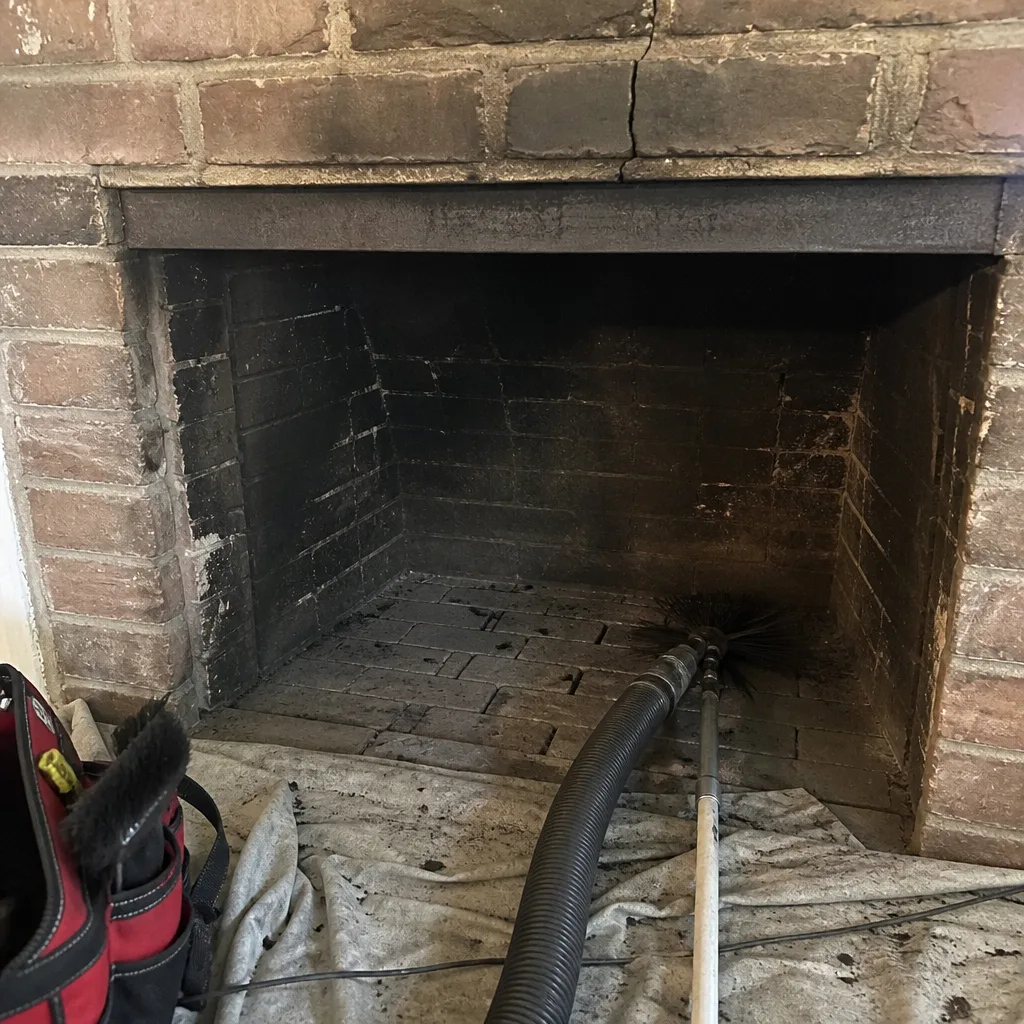 Before
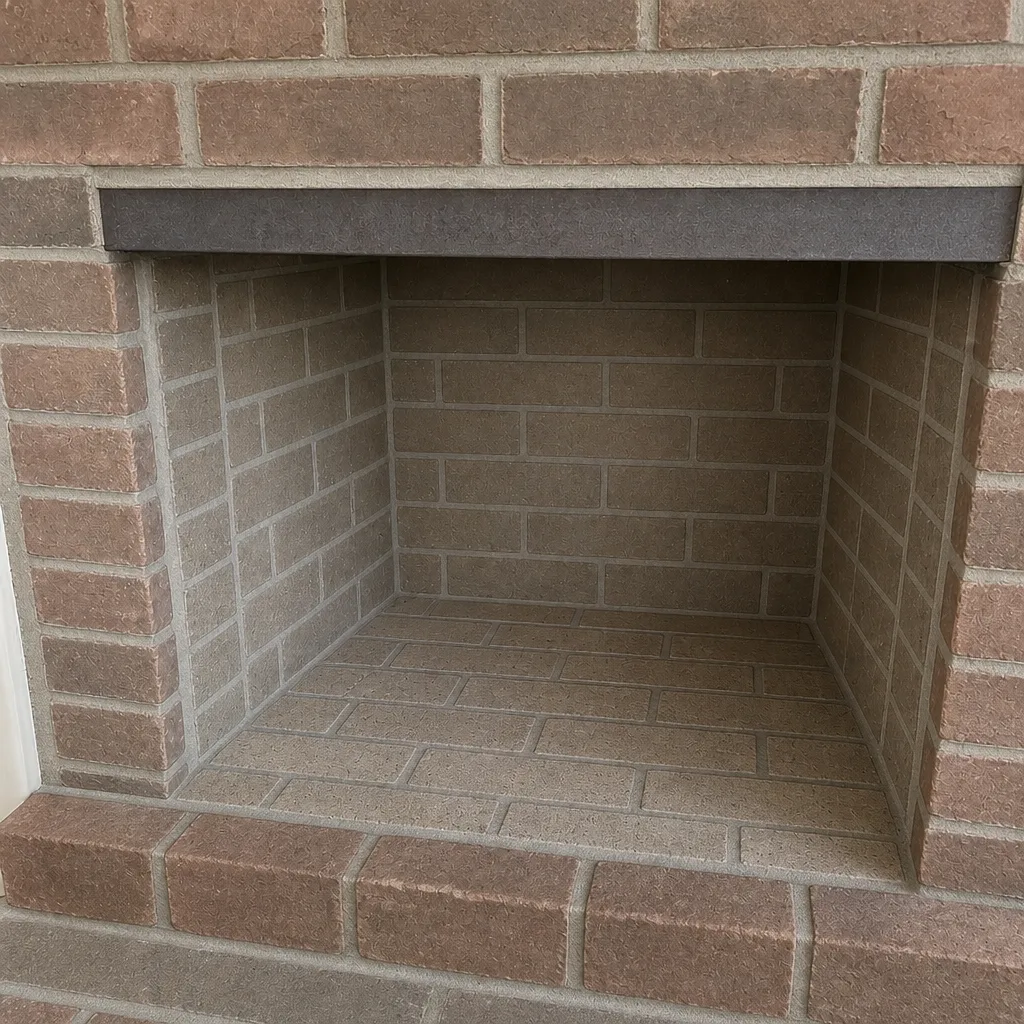 After
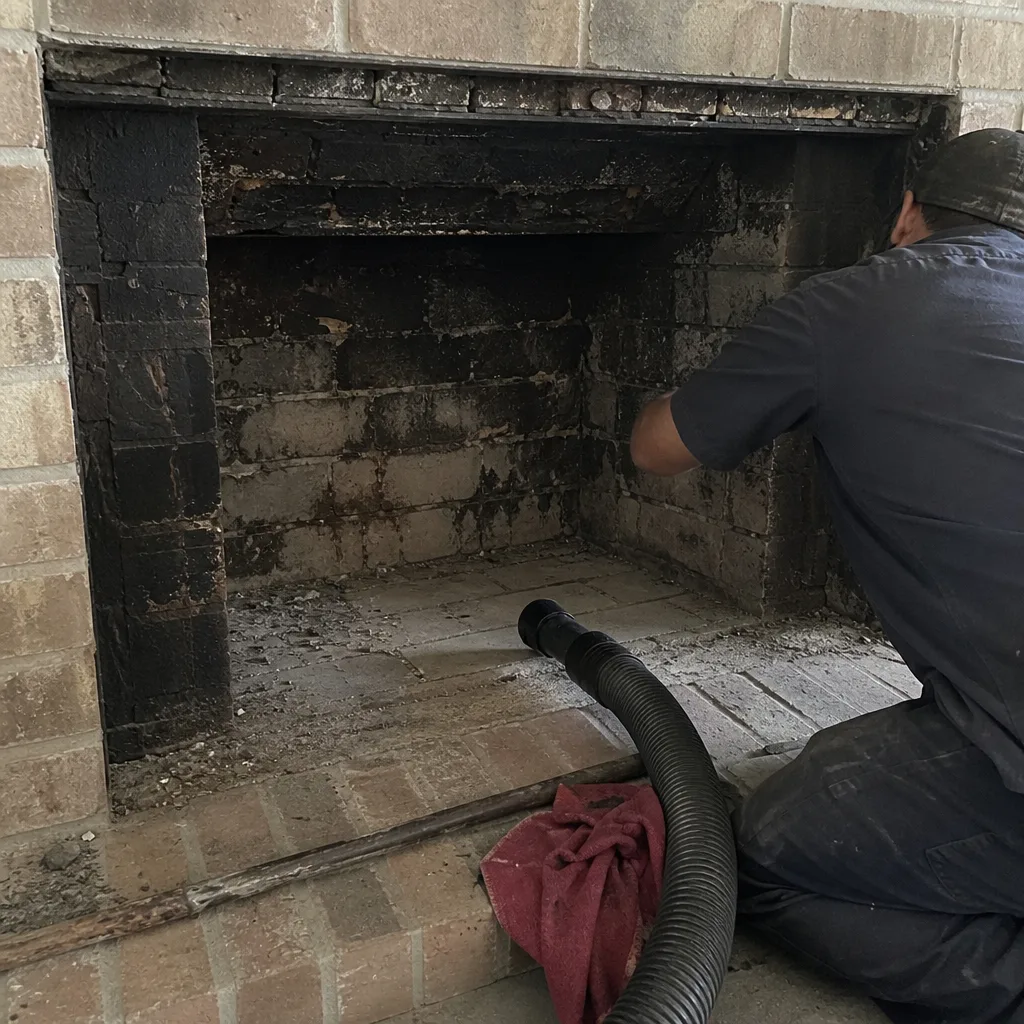 Before
 After
 Before
 After
When to Call a Professional
Call a professional chimney specialist if you’ve heard a rumble or suspect a chimney fire, if you see white staining or water stains inside the firebox, if smoke spills into the room even after the smoke test, if you have a nest or animal issue, or if your chimney hasn’t been swept and inspected in over a year. Get a professional if you’ve recently bought a home in Carrollton and don’t have service records. And get a professional if any repair involves the liner, the crown, the flashing, or the roof.
Carrollton Chimney Cleaning offers free estimates in Carrollton. Call (833) 946-9706. We answer 24/7. Fast dispatch from 7am to 7pm, Sunday through Friday. Whether you’re in Old Downtown Carrollton, along the Trinity Mills corridor, or near Josey Ranch, a Carrollton chimney technician can walk the whole system with you, camera in hand, and put a written plan in front of you before any work starts.
Frequently Asked Questions
A typical chimney sweep in Carrollton is priced by the job, based on the condition of the flue and whether a camera inspection is included. Because creosote stage, liner condition, and cap status all affect the work, the written estimate is the number that applies. Call (833) 946-9706 for an exact quote – estimates are free.
Not always. Plenty of chimneys we inspect only need a sweep, a new cap, or a HeatShield resurfacing rather than a full reline. A new liner is recommended when the camera shows cracks, gaps, or separated joints that can’t be restored. The photo report shows you exactly what’s behind the recommendation, and if work can safely wait, we tell you that too. Call (833) 946-9706 to schedule an inspection.
The standard guidance is once a year for most wood-burning fireplaces, and more often if you burn frequently or use unseasoned wood. Gas inserts and oil-flue systems have their own inspection intervals. In Carrollton’s mild climate, the schedule isn’t driven by winter cold; it’s driven by creosote build-up and cap and crown conditions. Call (833) 946-9706 to book a sweep.
Creosote accumulates, the flue drafts worse, and the risk of a chimney fire rises. Moisture that gets past a failed cap or crown damages masonry over time, and small liner cracks widen. None of these are emergencies on day one, but all of them get more expensive the longer they’re ignored. Call (833) 946-9706 and we’ll tell you honestly whether your Carrollton chimney is fine or needs attention.
A strong campfire smell when the fireplace is cold usually points to heavy creosote, a blockage, or a draft issue pulling odors back into the room. A smoke test and camera inspection tell you which. Don’t light a fire until it’s checked. Call (833) 946-9706 to schedule a diagnostic.
Carrollton’s clay-heavy soil expands and contracts with wet and dry cycles, and that movement puts stress on the crown at the top of the chimney. When the soil shifts, the crown cracks first. Repairs need to account for that movement, not just seal the visible crack. Call (833) 946-9706 and we’ll look at the crown and the flashing together.
The Bottom Line
Most chimney problems in Carrollton are readable if you know what to look for. A smoke test separates a draft problem from a blockage. White staining in the firebox means water is getting in through the cap, crown, or flashing. Popping, scratching, and dripping sounds each point to a different cause, and a deep rumble is a stop-and-call-the-fire-department signal. Carrollton’s clay soil makes crown cracks a local pattern, and heavy creosote is the constant thread behind most draft complaints. When the issue is at height, inside the liner, or in the masonry, a professional with a camera is the right next step. Call (833) 946-9706. We answer 24/7. Fast dispatch from 7am to 7pm, Sunday through Friday.
Written by the team at Carrollton Chimney Cleaning.