
Last updated November 15, 2026
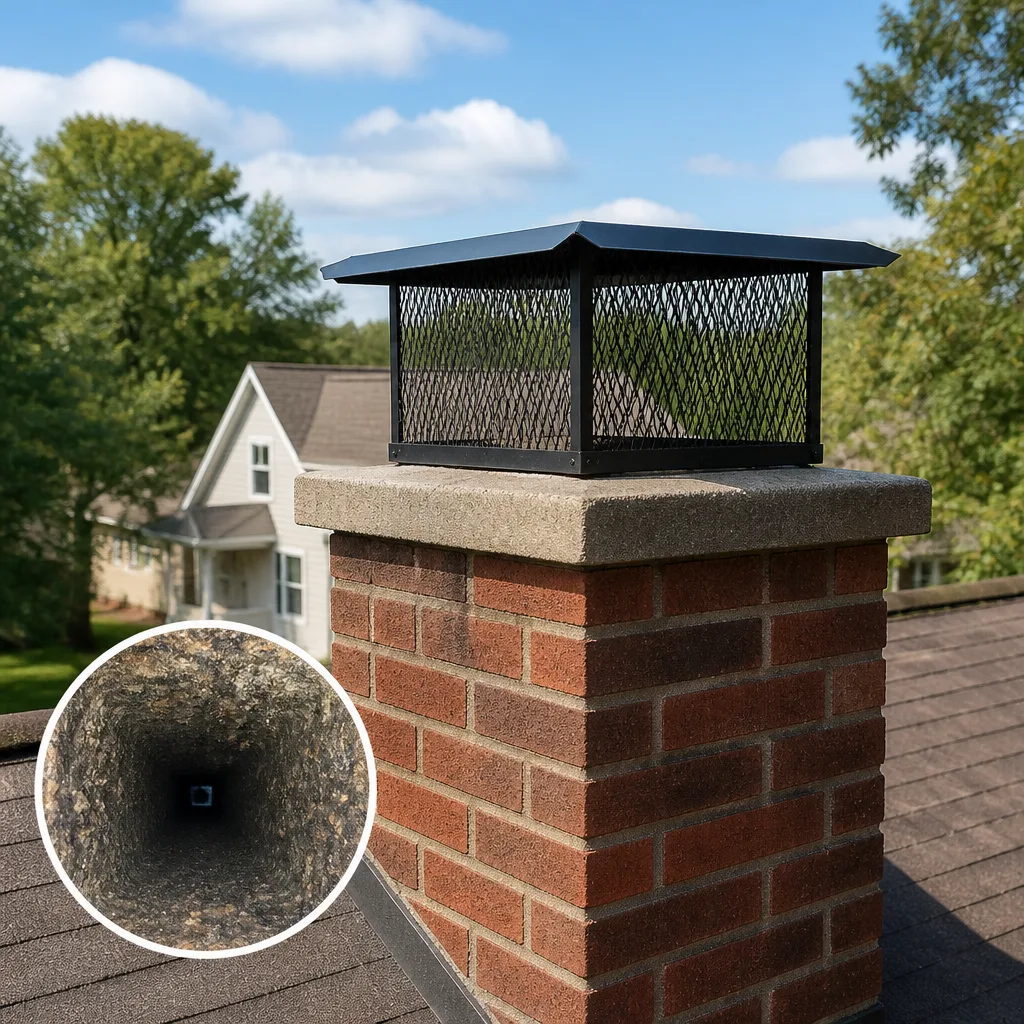 Sweep & inspection
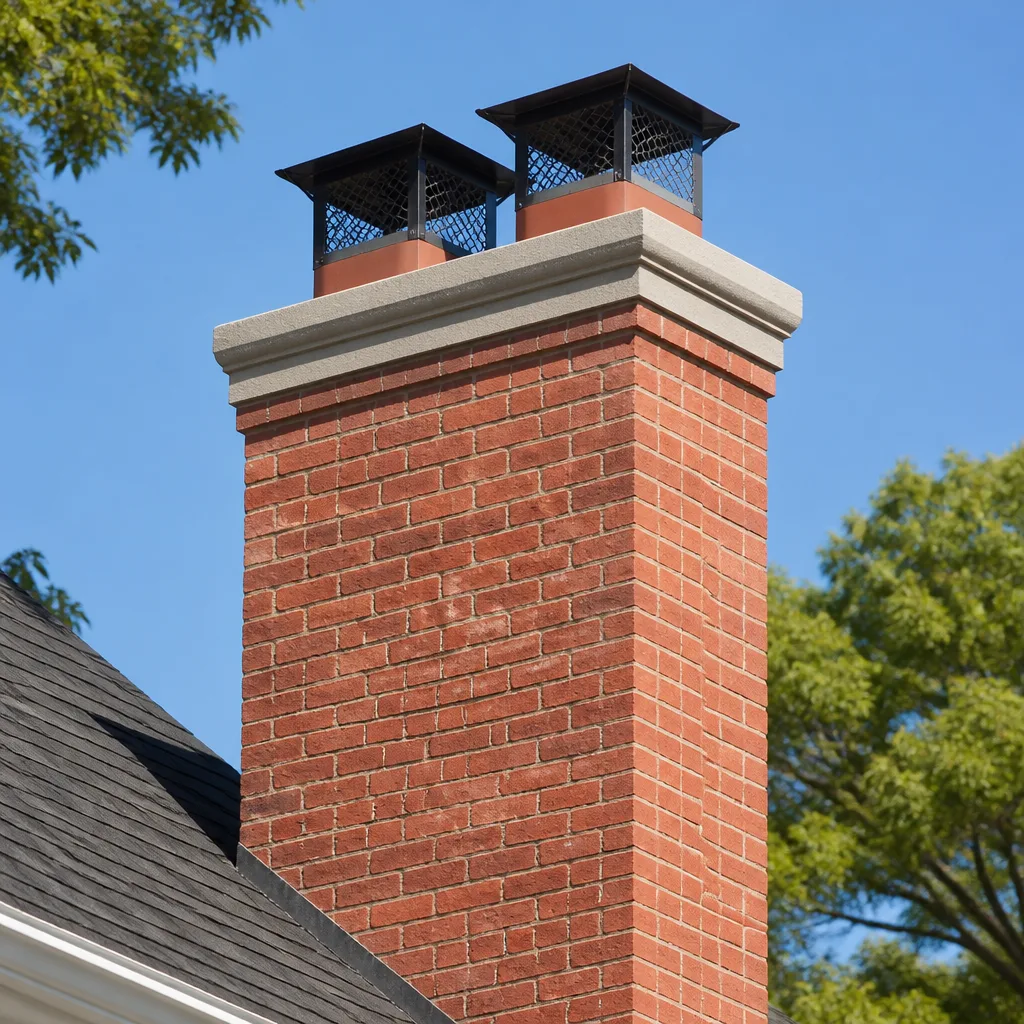 Caps & crowns
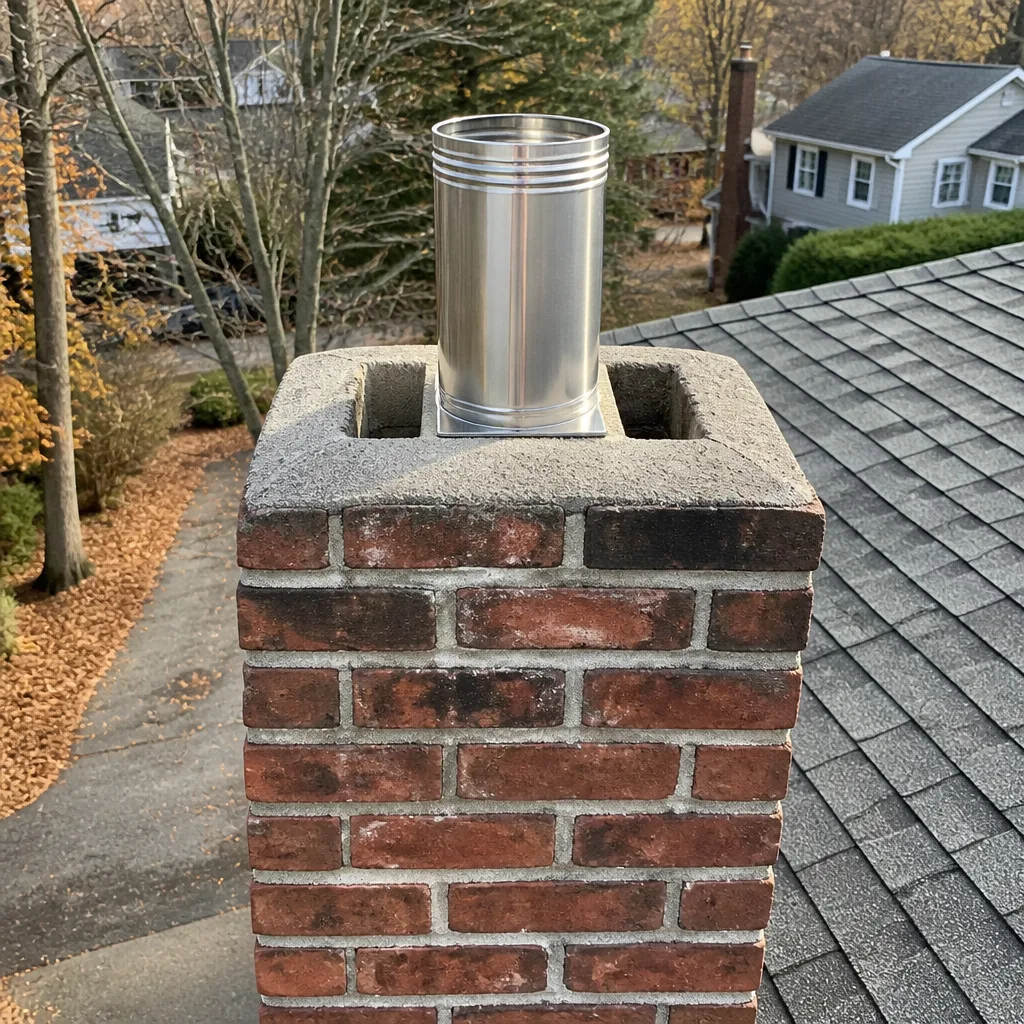 Flue relining
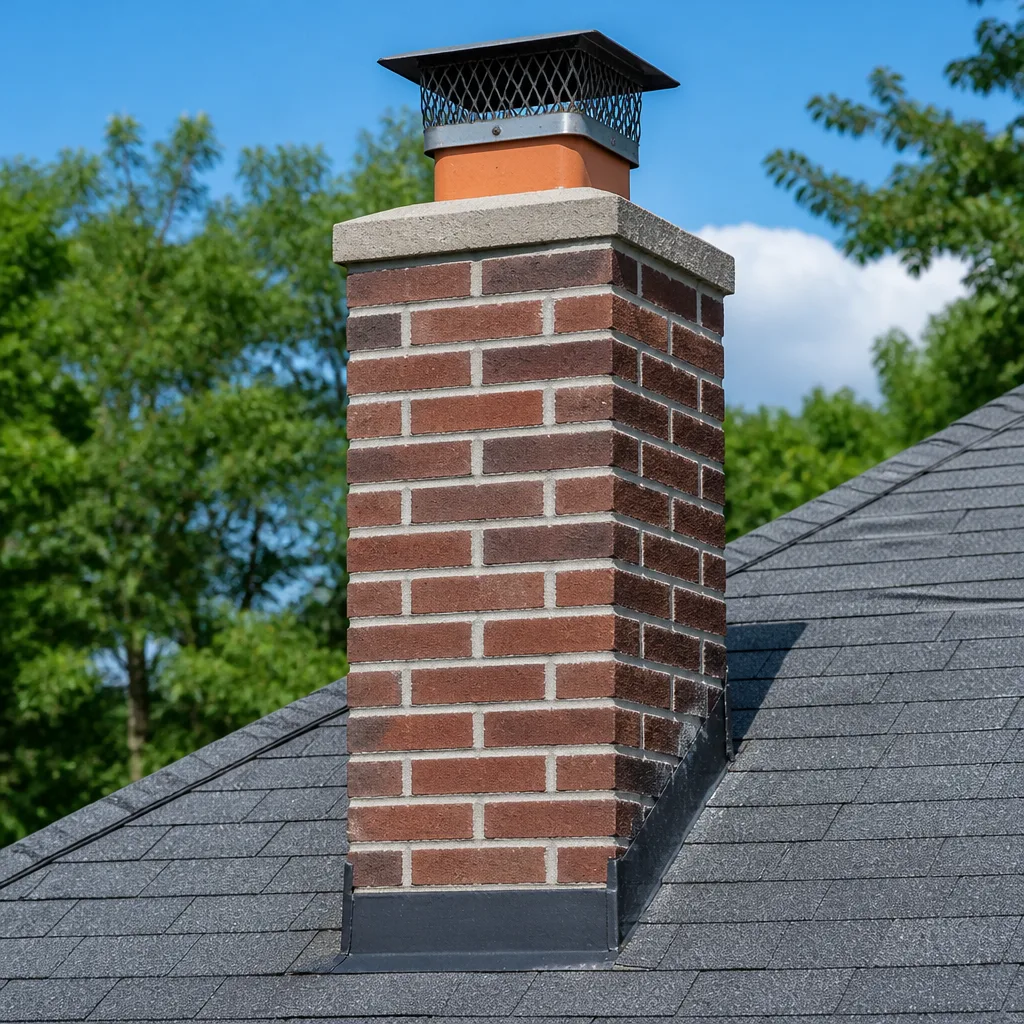 Masonry repair
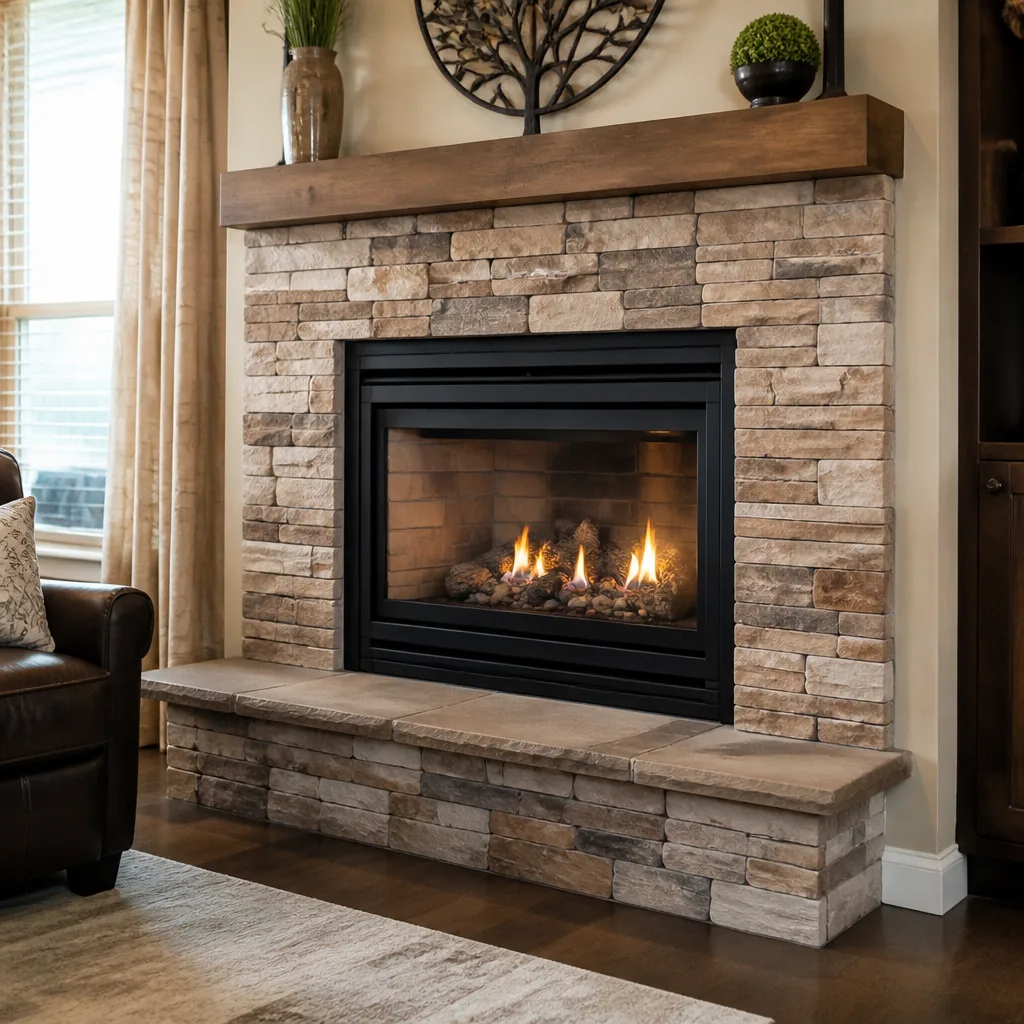 Gas fireplace service
Level 1 sweep and inspection to the NFPA 211 annual standard - flue, crown, cap, and flashing checked and photographed
Chimney sweep logs do not sweep chimneys. They loosen some creosote - which then falls where a brush and vacuum still have to collect it.
Chimney Sweep Maintenance Schedule: What to Do and When
The standard advice is “sweep once a year,” and it’s the most repeated line in this trade. It’s also the reason plenty of homeowners get service too late, and why plenty of others pay for a sweep their chimney didn’t need. A household burning three cords of wood every winter builds up creosote on a completely different timeline than someone who lights the fireplace five times a season, and a gas insert has its own separate rhythm altogether. Calendar months tell you very little about the health of your flue. What actually matters is how much you burn, what you burn, and how your chimney is built. This guide breaks the annual schedule into what does change from month to month, so you can build a maintenance plan around your fireplace instead of a generic checklist. We’ll cover usage math, a September prep routine for Carrollton, storm checks, gas insert care, and which tasks you can do yourself.
Quick Answer
Chimney sweeping should be based on usage, not the calendar: sweep after every cord of wood burned, or at least once a year if you burn more than a few fires a season. Book an annual inspection and cleaning before heating season, ideally in September, and add a visual check after any major hail or wind storm. Wood-burning systems, gas inserts, and oil flues each need their own schedule. Homeowners in Carrollton who burn often, notice odors, or just bought a house should schedule a sweep and inspection before cool weather arrives.
Styles & brands we work with
- Sweep & inspection
- Caps & crowns
- Flue relining
- Masonry repair
- Gas fireplace service
Table of Contents
- Why the Calendar Isn’t the Right Schedule
- How to Calculate Your Sweep Frequency
- What to Do in September: Preparing for North Texas Heating Season
- Post-Storm Inspection Checklist
- Gas Inserts and Oil Flues: The Schedules Nobody Follows
- Which Maintenance Tasks Are Safe to Do Yourself
- What a Professional Inspection Actually Covers
- A Month-by-Month Maintenance Calendar
Why the Calendar Isn’t the Right Schedule
Creosote is the byproduct that makes chimney maintenance necessary, and it doesn’t build up on a fixed timetable. It forms when wood smoke cools and condenses on the inside of the flue, and the rate depends on how hot the fire burns, how dry the wood is, and how much smoke the flue has to carry. A fireplace used heavily with green wood builds up glaze far faster than one used lightly with seasoned wood. That’s why a rigid “once a year” rule can be wrong in both directions.
There’s a second layer to this that a calendar can’t account for either: chimney design. A flue that’s short, undersized, or with a poor draft cools smoke faster, and cooler smoke deposits creosote more readily. An older masonry chimney with rough interior surfaces gives deposits more places to catch. A well-designed modern flue stays hotter and stays cleaner. Two Carrollton homes on the same street can have completely different maintenance needs based on construction and how each fireplace is used.
So instead of asking “is it time for the annual sweep?” the better question is “how many cords have gone through this flue since the last cleaning?” That’s the variable that actually tracks creosote accumulation, and it’s the one we build every maintenance recommendation on. If you burn a handful of fires each winter for ambiance, an annual visual check and periodic sweep when there’s real buildup is reasonable. If you heat with wood, the schedule has to follow you, not the calendar.
How to Calculate Your Sweep Frequency
Direct answer: most chimney professionals recommend sweeping after every cord of wood burned, or at least annually for moderate use. A cord is a stack 4 feet high, 4 feet wide, and 8 feet long. If you know roughly how much wood you go through, you can set a schedule that matches your actual usage.
Here’s the practical method:
- Track your wood use. Estimate how many cords (or fractions of a cord) you burn each heating season. A standard pickup-load of split wood is around a third to half a cord; a full cord is a stack roughly 128 cubic feet.
- Note how you burn. Hot, frequent fires with seasoned firewood produce less creosote per cord than smoldering, slow fires with wet wood. Smoldering fires are the bigger culprit for glaze buildup.
- Add a storm or damage check once a year regardless of burn volume, since caps and crowns degrade with weather, not fire.
- Set your interval. Under a cord a year: annual inspection, sweep as needed. One to two cords a year: sweep once mid-season or at the end of the season. Over two cords: sweep at least once mid-season and once at season end.
- Adjust based on what the sweep finds. If the sweep reports heavy glaze early, shorten the interval. If the flue is clean, you can safely extend it.
Keep a small note pad or phone note of when you sweep, how much you burned, and what the technician found. Over a couple of seasons, you’ll have a usage-based interval you can actually trust, and you won’t be guessing at the calendar. It’s also useful documentation if you ever sell the house.
What to Do in September: Preparing for North Texas Heating Season
North Texas winters are mild, but that doesn’t make the fire season gentle. Many Carrollton homes use the fireplace intensively from late fall through early spring, then leave it idle the rest of the year. September is the natural time to prepare: the cooling season is winding down, heating season is weeks away, and a professional can get in before the schedule fills up.
A September routine looks like this:
- Schedule the inspection and sweep before the first cool snap so you’re not waiting for an appointment during the first busy week.
- Clear the firebox and hearth of leftover ash from last season, and remove any stored items that crept in during summer.
- Check the damper for free movement and proper opening and closing.
- Look at the exterior: cap, crown, flashing, and mortar joints, which do the most weather-related work over the off-season.
- Have your firewood ready and stored dry, off the ground, and covered so it’s seasoned by the time you burn.
- Run a test fire once the inspection is done, and confirm the draft draws smoke up and out cleanly.
Why September specifically? Because this is the season when the weather shifts from hot to mild, humidity swings, and the first rain events after a dry summer can expose any weak exterior joints. Getting eyes on the chimney before heating season means small issues get handled while they’re still small. It also means your first fire of the season isn’t the one that reveals a problem.
Post-Storm Inspection Checklist
Spring in North Texas brings hail and high-wind events, and chimneys take the hit. A chimney is the tallest structure on most homes, fully exposed to wind-driven rain and hail, and much of the damage isn’t visible from the ground. A quick exterior and interior check after a major storm can catch problems before they turn into water damage inside the house.
Run through this list after any significant hail or wind event:
- Look at the cap and spark arrestor. Wind and hail can loosen, dent, or knock off a cap. A missing cap means rain, birds, and debris go straight into the flue. Gelco, Olympia Chimney, and Famco make caps and covers that hold up to this climate.
- Check the crown. Hairline cracks in the crown are normal with age but can widen quickly after a hail event. A cracked crown lets water into the masonry.
- Inspect the flashing. The metal seal where the chimney meets the roof is a common leak point, and wind can lift or loosen it.
- Look for loose or spalled mortar. Hail chips mortar joints, and spalling (flaking) means water has been getting in.
- Check inside for water stains on the firebox, damper, or nearby ceiling and walls after a heavy rain.
- Smell for mustiness near the fireplace, which can indicate moisture infiltration you can’t see.
If any of these checks shows a problem, a proper inspection is the next step. Water intrusion is one of the most common causes of long-term chimney damage, and it’s far cheaper to fix a cap or crown than a rebuilt chase. We’ve seen a lot of Hurst and Richardson homes with the same pattern: a small flashing leak that went unnoticed for a winter and turned into interior damage by spring.
Gas Inserts and Oil Flues: The Schedules Nobody Follows
Here’s the maintenance gap most homeowners fall into: a gas fireplace insert looks clean, produces no visible smoke, and gets skipped in the annual routine. But gas inserts still have a flue that handles exhaust and moisture, and they still need inspection. The exhaust from a gas appliance is acidic and condenses on cooler flue surfaces, which can degrade a masonry flue over time. Gas inserts also have venting, seals, and connections that should be checked by a professional.
The right approach for a gas insert:
- Annual inspection of the venting, seals, and firebox, even if you don’t sweep the flue the way you would a wood system.
- Check the vent termination for blockage from birds, nests, or debris.
- Look for corrosion or discoloration on the vent pipe and around the firebox, which can indicate a venting issue.
- Listen for a change in sound or draft, and address any odd smell before using the insert again.
Oil flues have their own schedule and their own risks. Oil exhaust leaves soot and sulfur residue that can damage a flue if it’s not cleaned on schedule, and oil-fired systems benefit from an annual cleaning and inspection. If your Carrollton home has an older oil flue or a gas insert that hasn’t been looked at in a couple of years, that’s a maintenance item worth prioritizing. When we work on gas and oil systems, we treat them as their own category instead of lumping them in with the wood-burning schedule. If the flue needs relining, we can bring in DuraFlex flexible liner systems to restore it properly instead of just patching around the problem.
Which Maintenance Tasks Are Safe to Do Yourself
Some upkeep belongs to the homeowner. Others genuinely require a trained professional, and attempting them yourself can cause damage or injury. Knowing the line between them is the difference between responsible maintenance and an expensive mistake.
Safe to do yourself:
- Removing cooled ash from the firebox and disposing of it safely in a metal container.
- Checking the damper opens, closes, and seats properly.
- Visual inspection of the firebox interior and the exterior cap and crown from the ground or a safe vantage point.
- Keeping the firewood stack covered and clear of the chimney.
- Cleaning the glass on a gas insert following the manufacturer’s instructions.
Best left to a professional:
- Anything that involves climbing onto the roof to inspect or work on the chimney top.
- Removing or reinstalling a chimney cap or crown.
- Any work inside the flue, including brushing and inspection.
- Repairing or replacing liners, flashing, or masonry.
- Anything on a gas appliance involving venting, seals, or connections.
The manufacturer warranty is the other consideration. Many fireplace and insert manufacturers specify that certain service tasks be performed by a qualified professional, and DIY work in those areas can void coverage. When a repair involves liner resurfacing, we use HeatShield, a specialized system that requires proper application knowledge. General handymen often don’t stock or know how to apply it, and a failed application is worse than no repair at all. The safe rule: if it requires a ladder, a brush, or opening up a sealed system, call a professional.
What a Professional Inspection Actually Covers
A chimney inspection is more than a glance up the flue. It’s a structured evaluation of the entire chimney system: the firebox, damper, smoke chamber, flue liner, crown, cap, flashing, and exterior masonry. The goal is to identify what’s actually wrong, and to recommend only what the evidence supports. Our position is simple: we identify what’s wrong before we recommend what to fix.
A thorough inspection covers:
- The firebox and damper for cracks, gaps, and proper operation.
- The smoke chamber and shelf, which are common trouble spots for draft problems and turbulence.
- The flue, with a camera inspection where it helps, looking for cracks, gaps, and creosote buildup. A level 2 inspection with camera access is standard when a home changes hands or after a chimney fire.
- The crown, cap, and flashing, checking for water infiltration paths.
- The exterior masonry for spalling, cracks, and deteriorating mortar joints.
Findings get reported to you, and you decide what happens next. Sweeping is part of the same visit when it’s needed. If the inspection turns up liner damage or deterioration, relining with a DuraFlex or resurfacing with HeatShield are both options depending on the condition. Not every finding needs immediate work; some can be monitored and addressed later. We treat the chimney as a system and explain what’s urgent, what’s routine, and what can safely wait.
A Month-by-Month Maintenance Calendar
Here’s a practical calendar built around how North Texas homeowners actually use fireplaces. Adjust it to your own burn volume, but the seasons are the anchor.
- September: Schedule the annual sweep and inspection. Clean out the firebox, test the damper, and run a test fire once you have the all-clear.
- October through November: Use the fireplace, and keep an eye out for anything unusual: weak draft, smoke spillage, or odors. Note the burn volume.
- December through February: Peak heating season. If you burn heavily, plan a mid-season sweep when usage warrants it.
- March through May: Watch for post-storm damage; run the post-storm checklist after any major hail or wind event.
- June through August: The off-season. This is the best time for any repair work found during the spring, and for a thorough inspection if you skipped the fall one.
- Any month: After a home purchase, or if the chimney hasn’t been serviced in over a year, book a sweep and inspection regardless of the season.
This calendar isn’t a rigid rulebook. A household burning three cords of wood on a tight schedule will need more frequent sweeping than someone who burns occasionally, and the sweep findings will tell you what interval is right going forward. The point is to have a plan. If you want the full range of service in one place, our Carrollton Chimney Cleaning team handles sweeping, repair, and inspection together, so you don’t need a second contractor for the next step.
Common Mistakes to Avoid
- Going strictly by the calendar. Sweeping once a year regardless of usage can leave heavy glaze buildup in a heavily used flue, or waste a visit on a lightly used one. Use the burn volume as your guide.
- Skipping the gas insert. Gas inserts need annual venting and inspection just like wood systems. It’s the most commonly skipped maintenance item in Carrollton homes.
- Ignoring the exterior after a storm. Hail and wind take a toll on caps, crowns, and flashing. A quick visual check after major storms catches problems before they turn into leaks.
- Burning green or wet wood. It produces more smoke, deposits more creosote, and wastes heat. Seasoned, dry firewood is better for both your air quality and your maintenance schedule.
- Treating a DIY inspection as a substitute for a professional one. You can see the firebox and cap, but the inside of the flue and the smoke chamber need a trained eye and proper tools.
- Waiting for a problem to appear. Chimney issues are often hidden until they’re expensive. An annual inspection is the cheapest way to keep things honest.
- Hiring a generalist for chimney work. Chimney liner work and resurfacing require specialist materials and knowledge. A handyman may not stock or know how to apply a product like HeatShield or install a DuraFlex liner.
See the difference
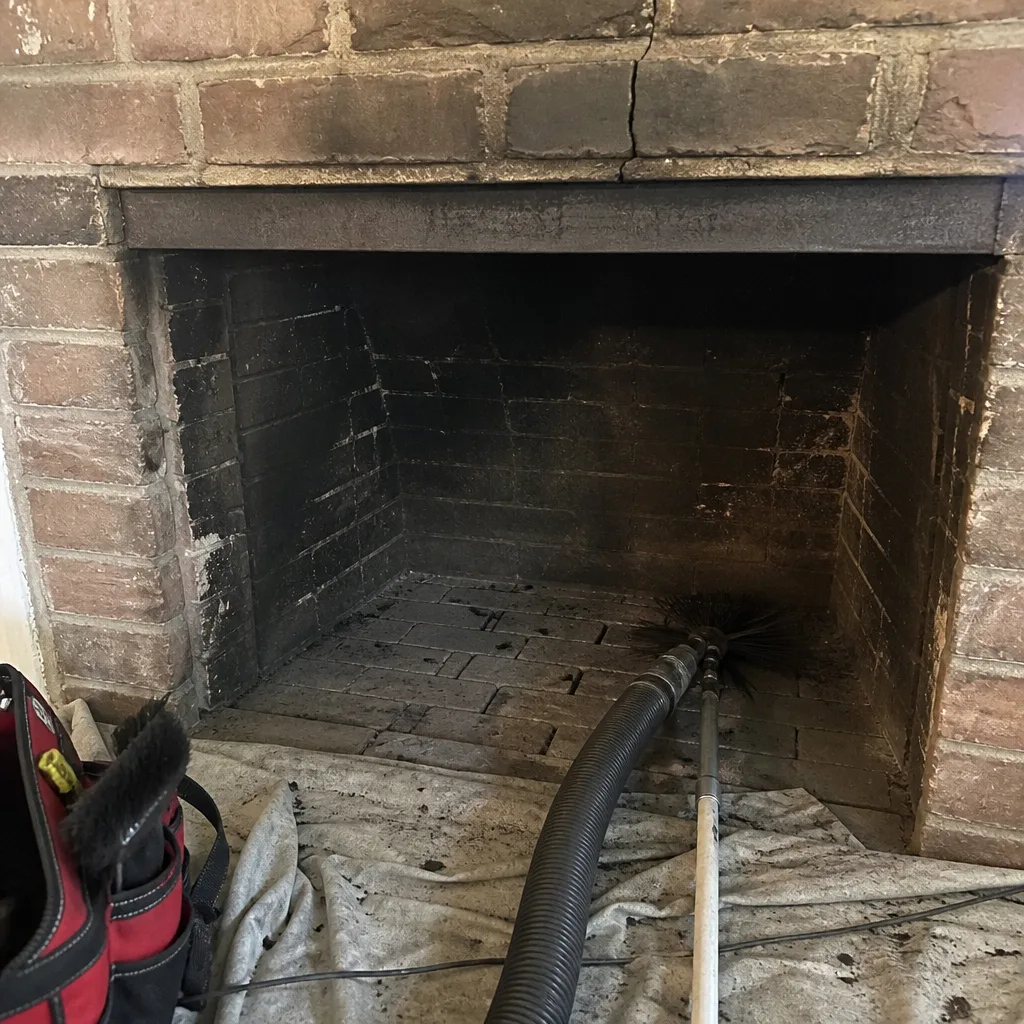 Before
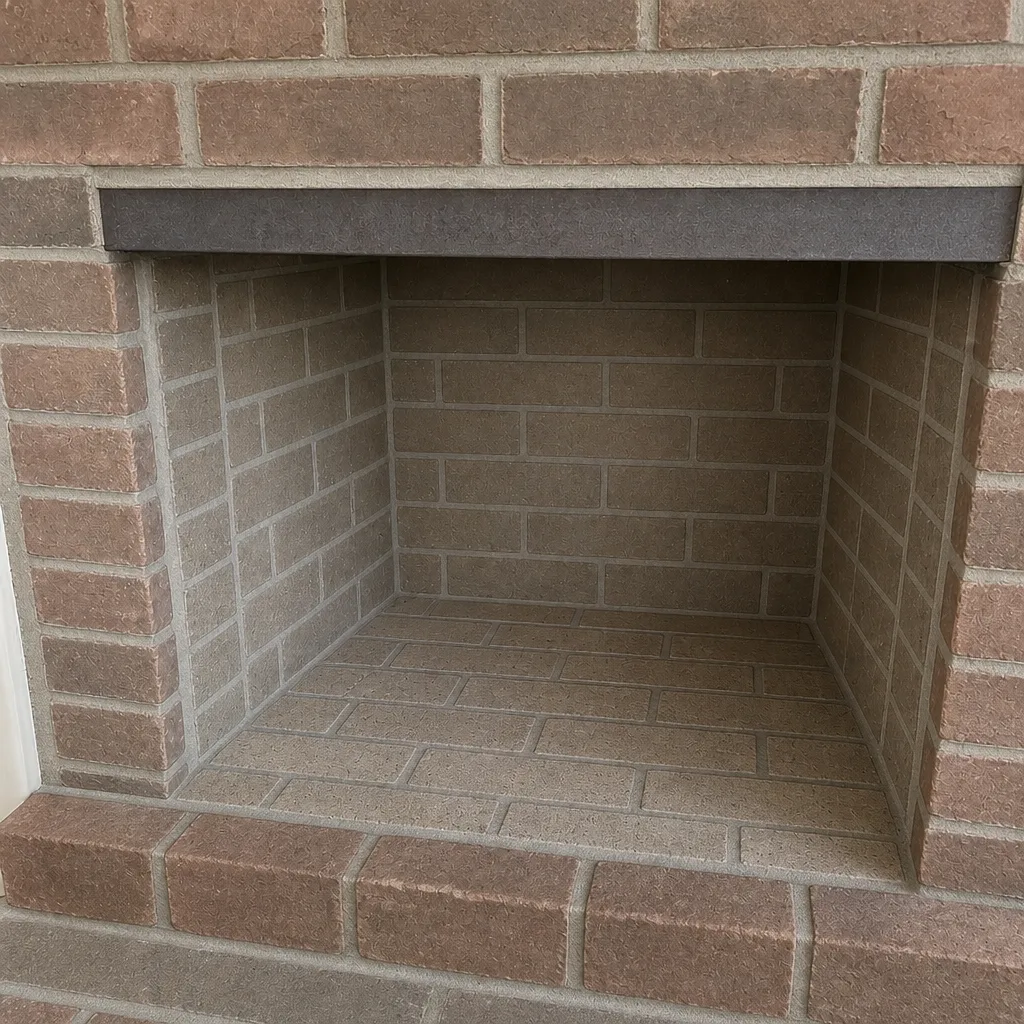 After
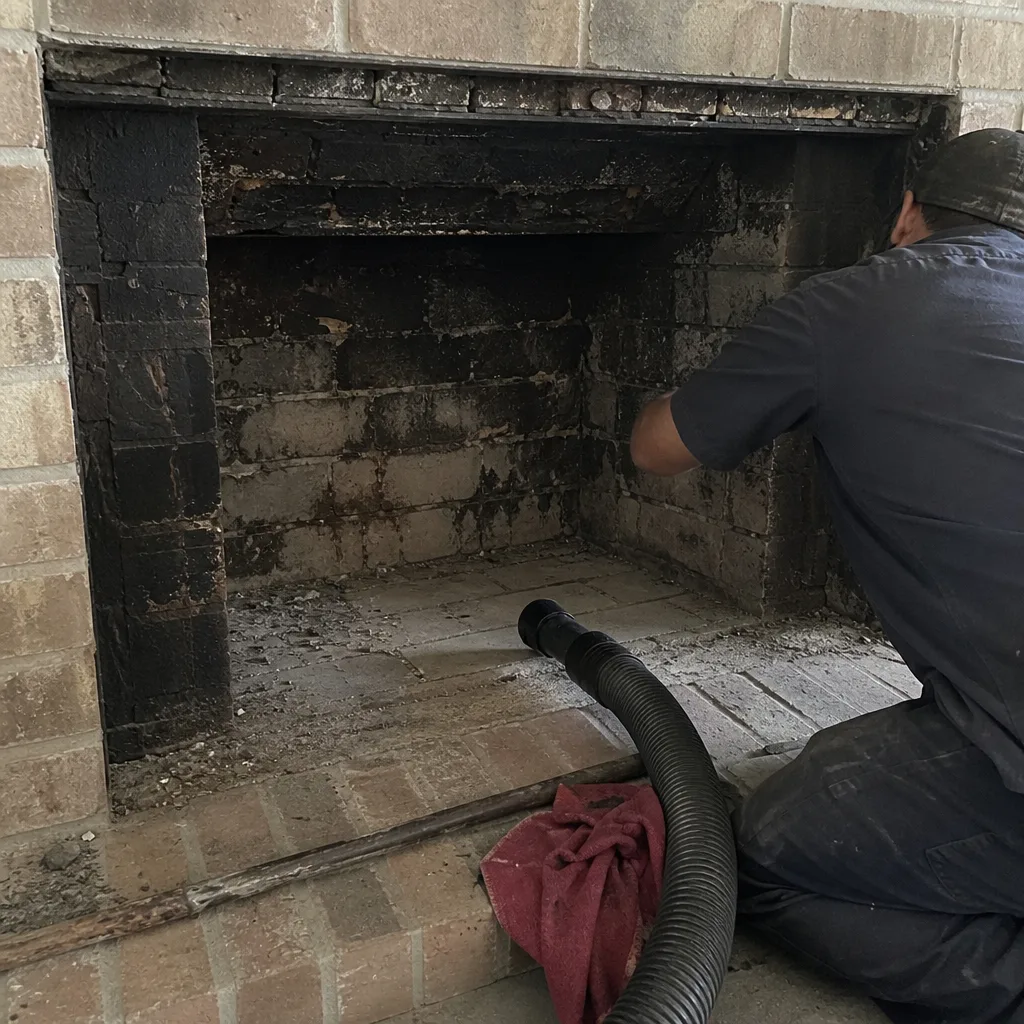 Before
 After
 Before
 After
When to Call a Professional
Some checks you can run yourself, but some situations call for a trained eye. Call a professional if you’ve noticed weak draft, smoke spilling into the room, persistent odors from the fireplace, or visible cracks in the firebox or exterior masonry. Book an inspection after a chimney fire, even a small one, and after any major hail or wind event. If you’re buying a home in Carrollton, a chimney inspection belongs on your checklist before closing. And if it’s been more than a year since the chimney was last looked at, or you don’t know its history at all, a sweep and inspection is the honest starting point. Carrollton Chimney Cleaning offers free estimates in Carrollton; call (833) 946-9706 and we’ll walk through the options. Our technicians have up to 15 years of experience, and we work with professional-grade products rather than hardware-store substitutes.
Frequently Asked Questions
Sweep based on usage, not just the calendar: after every cord of wood burned, or at least once a year for moderate use. Because North Texas winters are mild but fireplaces often get used intensively in a short window, many Carrollton homeowners are better served by a mid-season and end-of-season sweep than one annual visit. Call (833) 946-9706 for an exact quote – estimates are free.
Yes. Gas inserts need annual inspection of their venting, seals, and firebox even though they don’t produce visible smoke. The exhaust is acidic and can degrade a masonry flue over time, so skipping service is a false economy. Call (833) 946-9706 to book an inspection.
A flashlight can show you the firebox and the flue opening, but it can’t reliably reveal cracks, gaps, or glaze deep in the flue or behind the smoke shelf. A professional inspection uses proper tools and camera access to see what a flashlight can’t. Call (833) 946-9706 if you’re unsure.
A sweep is typically quoted per job, and the written estimate is the final price. It varies with the type of system, its condition, and whether an inspection is included. The best way to get a firm number is a free estimate. Call (833) 946-9706 for an exact quote – estimates are free.
A liner recommendation should always be backed by what the inspection actually found: cracks, gaps, or deteriorated masonry that cameras can show. We walk you through the evidence before recommending a liner or HeatShield resurfacing, and we tell you plainly when work can safely wait. If you have questions, call (833) 946-9706.
Creosote buildup increases the risk of a chimney fire, and water intrusion from a failed cap, crown, or flashing can quietly damage the chimney structure over time. None of that is visible from the living room. An annual inspection and sweep is the lowest-cost way to catch problems while they’re still small. Call (833) 946-9706 to get on the schedule.
The Bottom Line
The right chimney maintenance schedule isn’t a fixed mark on the calendar. It’s built around your own burn volume, your fuel type, and the condition of your chimney. Sweep based on how many cords you burn, inspect annually before heating season, check the exterior after every major storm, and don’t neglect gas inserts or oil flues. Keep the tasks that belong to you (ash, damper, visual checks) and hand the rest to a professional. If you’re not sure where your chimney stands, start with an inspection. For Carrollton homeowners ready to build a real maintenance plan, reach out and we’ll help you set one up that matches how you actually use your fireplace.
Contact
Whether you’re ready for a September sweep, have a post-storm concern to check, or just bought a home and need to know what you’re working with, we’re happy to help. Call (833) 946-9706 for a free estimate. We answer 24/7. Fast dispatch from 7am to 7pm, Sunday through Friday. If you’d like to start with a professional chimney sweep, or want to know more about chimney repair when the inspection turns up something, we handle both along with inspection in one visit. Professional-grade materials, not hardware-store substitutes. Sweep, inspect, repair, handled by one specialist.
Written by the team at Carrollton Chimney Cleaning.