
Last updated November 15, 2026
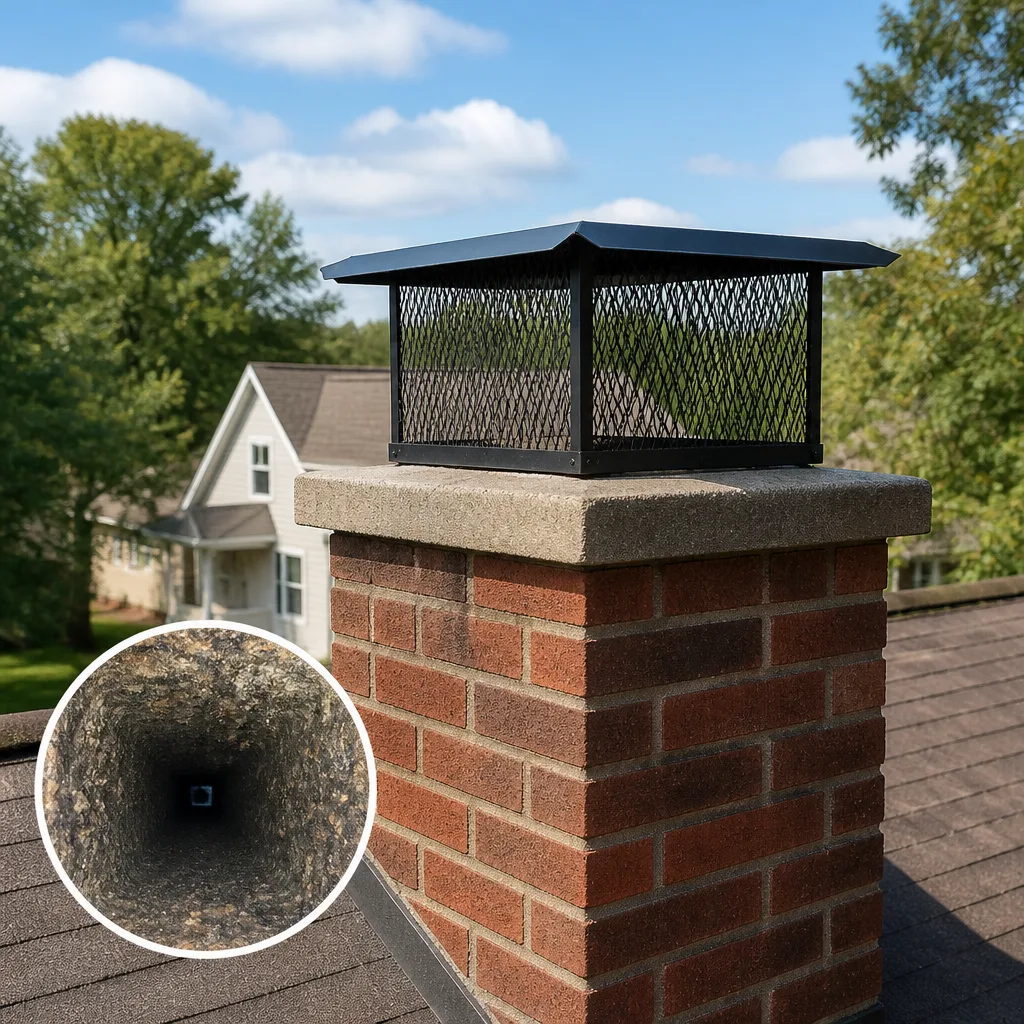 Sweep & inspection
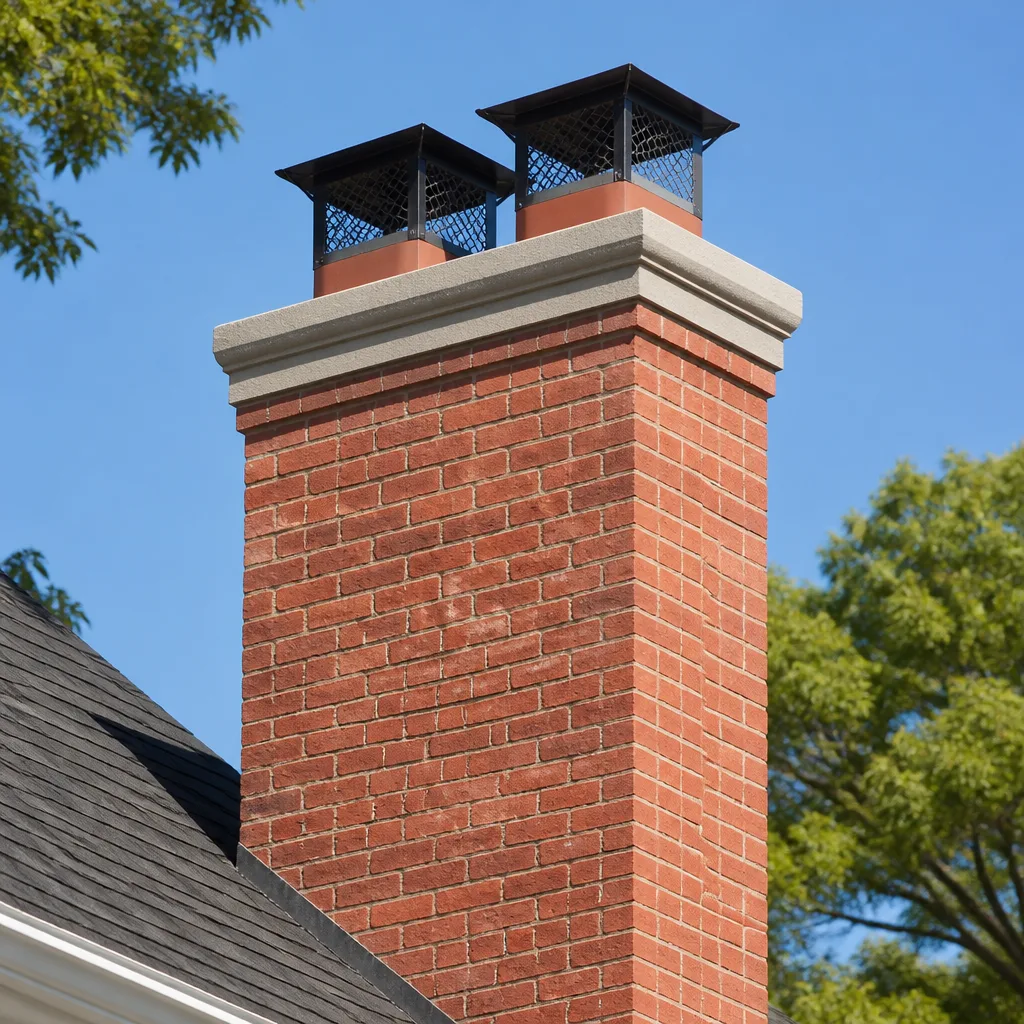 Caps & crowns
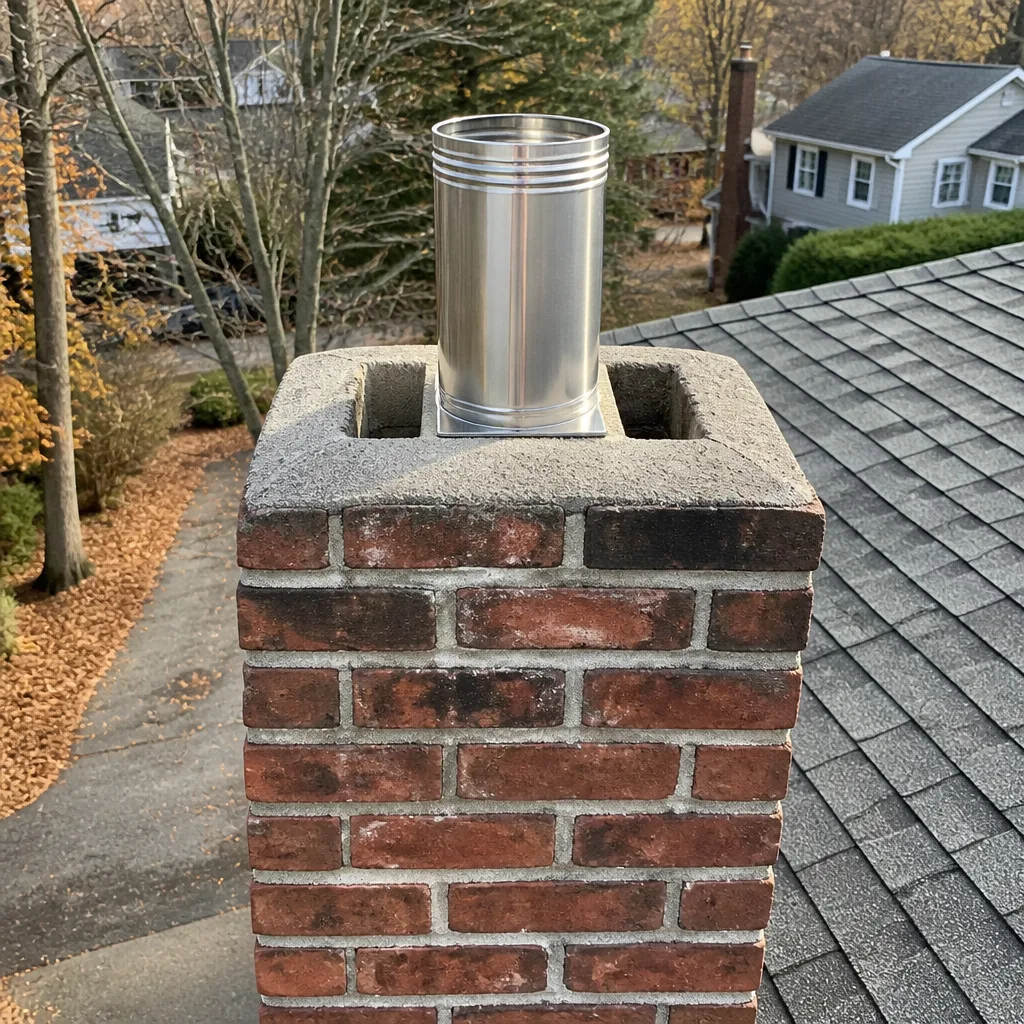 Flue relining
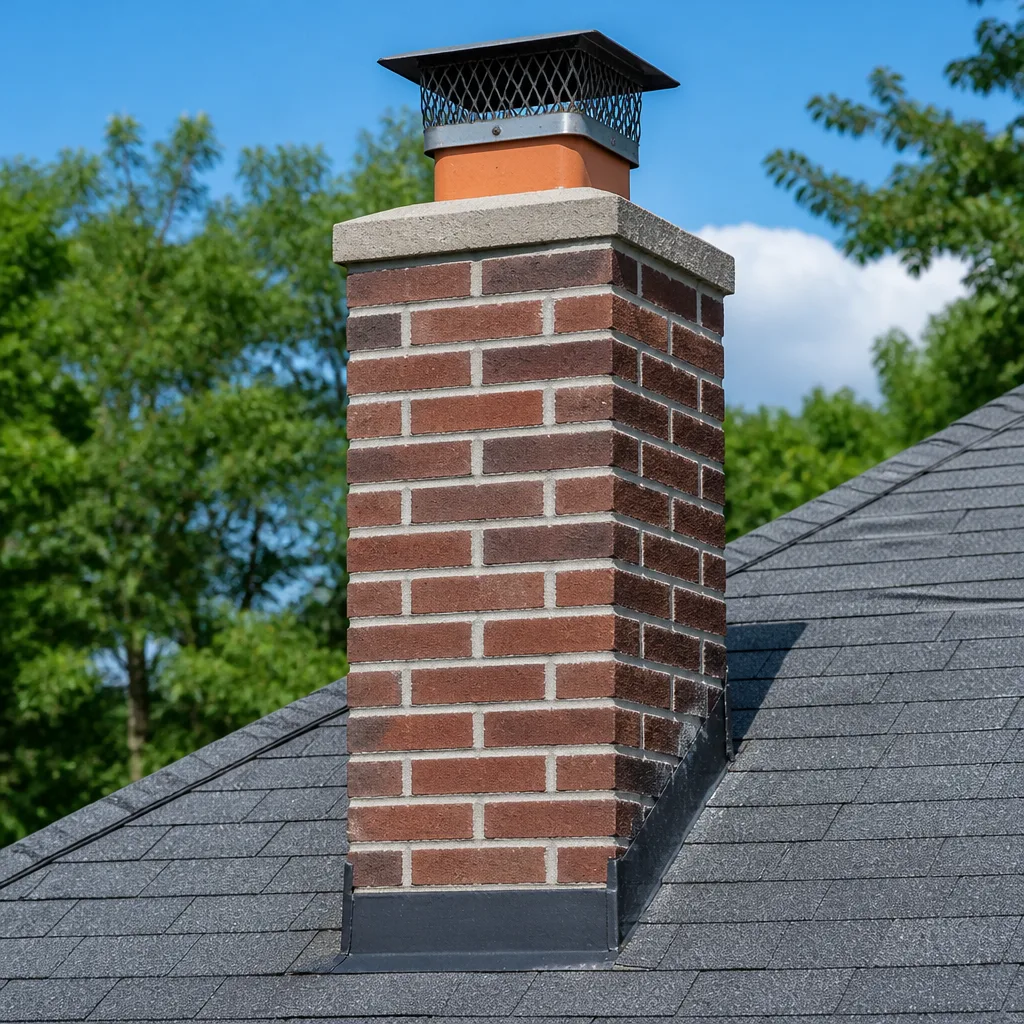 Masonry repair
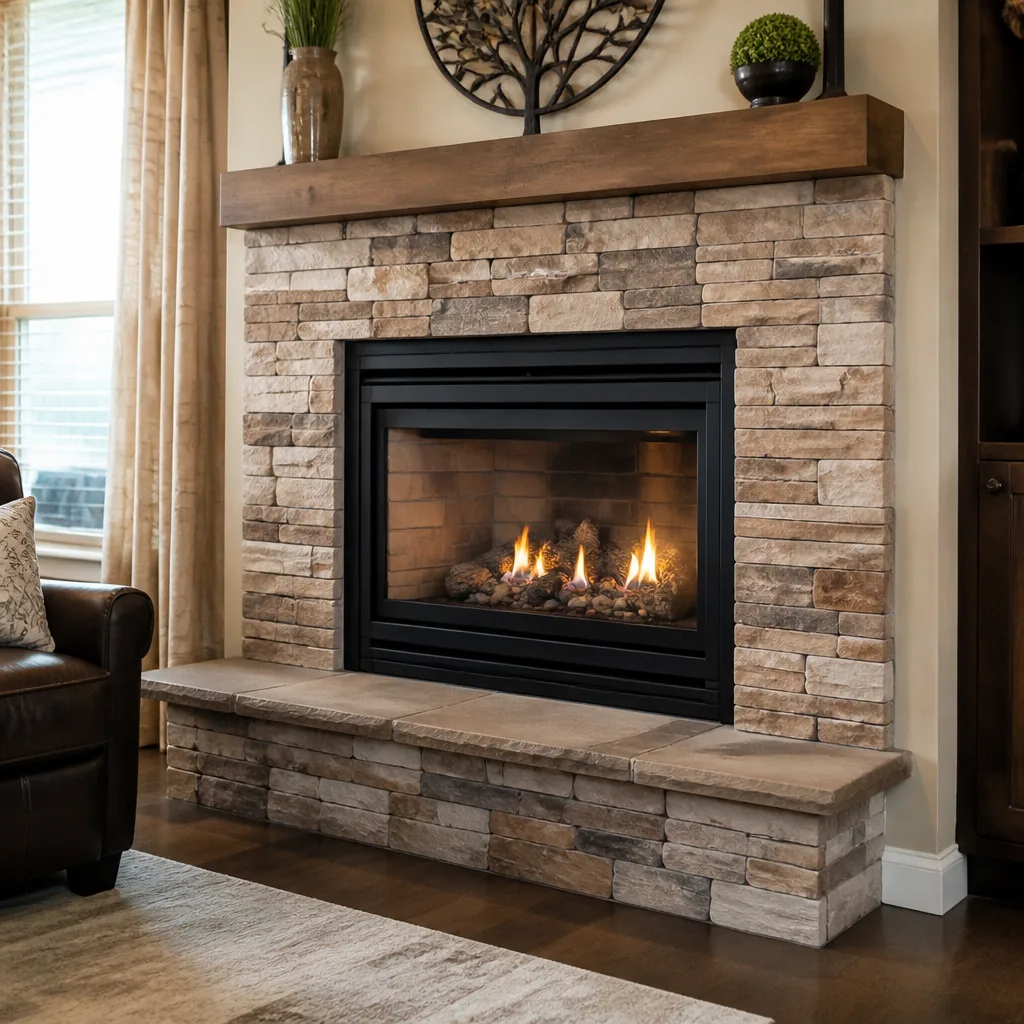 Gas fireplace service
Level 1 sweep and inspection to the NFPA 211 annual standard - flue, crown, cap, and flashing checked and photographed
Chimney sweep logs do not sweep chimneys. They loosen some creosote - which then falls where a brush and vacuum still have to collect it.
How to Hire a Chimney Cleaning Contractor in Carrollton: A Step-by-Step Guide
Texas does not require a state license to clean chimneys. That single fact reshapes everything about hiring a sweep. The gap between a trained specialist and someone who watched a few videos is a $20 brush set and a magnetic sign slapped on a truck. No exam stands in the way. No state board checks the work. Nobody verifies that the person on your roof knows the difference between a liner that’s safe and one that’s one hot fire away from failing. So the burden lands on you, the homeowner, and it lands hard. This guide walks you through the exact questions to ask, what a real certification actually verifies, how to spot the warning signs buried in a quote, and what a written agreement should contain before anyone climbs onto your Carrollton roof.
Quick Answer
To hire a chimney cleaning contractor in Carrollton, verify certification through the Chimney Safety Institute of America (CSIA), ask five direct questions about scope, materials, and repair capability, request a written estimate that separates sweeping from repair work, and confirm the contractor can handle both inspection and repair so you’re not handed off mid-job. Skip anyone who quotes a price over the phone without seeing the chimney, and treat the lowest bid with suspicion rather than relief. The person you hire should be able to show you what’s wrong on camera before recommending any work.
Styles & brands we work with
- Sweep & inspection
- Caps & crowns
- Flue relining
- Masonry repair
- Gas fireplace service
Table of Contents
- Why licensing in Texas doesn’t protect you
- The five questions to ask before anyone steps on your roof
- What CSIA certification actually verifies
- Red flags hidden in contractor quotes
- How to verify a contractor handles sweep and repair
- What a written service agreement should contain
- What makes a chimney in Carrollton different
- Questions to ask reference checks
Why Licensing in Texas Doesn’t Protect You
Homeowners in most trades can lean on a license number as shorthand for competence. Chimney work is the exception. Texas leaves chimney sweeping and inspection largely unregulated at the state level, which means the words “licensed and insured” on a contractor’s card can mean almost anything. Insurance matters enormously. A state-issued license for chimney cleaning, in most cases, does not exist to check.
That gap creates a strange market. A general handyman with a ladder and a shop vacuum and a full-time chimney specialist with real training both operate in the same legal space. Nothing forces the handyman to learn what creosote glazing looks like, what a proper crown should look like, or when a flue tile crack means stop and repair before the next fire. The only filter is what you ask before you hire.
We’ve watched this play out across Carrollton and the surrounding neighborhoods for years. Homeowners call us after a bad experience, and almost always the problem traces back to a contractor who looked legitimate but couldn’t answer a basic technical question about their own work. The fix isn’t complicated. You just have to know what to ask.
The practical takeaway: don’t let a license badge substitute for questions. Treat “licensed and insured” as the floor you check, not the ceiling you trust. Certifications from trade bodies, verifiable references, and the contractor’s willingness to walk you through the process matter far more in a trade with so little formal oversight.
The Five Questions to Ask Before Anyone Steps on Your Roof
Ask these five questions on the phone, before you schedule anything. The answers separate the specialists from the pretenders faster than any review profile.
- Are you CSIA certified, and can you show me the credential? A certified sweep will answer without hesitation and offer the verification. A non-certified contractor will pivot to years of experience or a sob story about how certification is just a piece of paper. The piece of paper matters. It’s the only third-party check that exists in the trade.
- What tools do you use to inspect the flue? A trained sweep carries a chimney camera and uses it routinely. If the answer is “a flashlight and my eyes,” you’re talking to someone who can’t see past the first tile joint. Interior inspection needs a camera, and every qualified contractor we know uses one.
- What brands of liner materials do you install? A specialist knows the difference between a professional-grade flexible liner system and a hardware-store kit. If they can’t name a brand they trust for relining work, they probably don’t do relining work. Listen for products like DuraFlex or HeatShield. If those names mean nothing to the person you’re talking to, they aren’t doing advanced repair.
- Can you handle both the sweep and any repair I need, or do you subcontract? A contractor who sweeps but hands off repair loses continuity and you lose leverage. The person who inspected your chimney should be the person who fixes it. Ask upfront and get a straight answer.
- What does your written estimate include? A real estimate separates sweeping, inspection, and repair line items and states clearly what triggers an additional charge. If they can’t tell you what the estimate covers, the estimate is worth nothing.
Notice what’s not on that list. Reviews, star ratings, and years in business don’t appear because none of them verify technical competence. A five-star review from a homeowner who doesn’t know what a proper crown looks like tells you almost nothing. The five questions do.
What CSIA Certification Actually Verifies – and What It Doesn’t
The Chimney Safety Institute of America runs the certification most serious sweeps carry. It requires passing an exam, agreeing to a code of ethics, and completing continuing education through the CSIA’s review cycle. That’s genuinely valuable, because it means someone who isn’t the contractor has checked basic knowledge. It also means the contractor is accountable to a professional body that can pull certification for misconduct.
What CSIA certification does not verify, though, is how the contractor runs their business day to day. It doesn’t check that they carry general liability and workers’ comp insurance. It doesn’t confirm that every technician on the crew is trained or certified – only that someone affiliated with the business holds the credential. It doesn’t guarantee they’ll show up when scheduled or that the written estimate will match the final invoice. And it doesn’t come with an expiry that forces re-examination of field skills, only continuing education hours.
That distinction matters in practice. CSIA certification gets the contractor past the first filter. The remaining filters still belong to you. Ask for the certificate number and verify it through the CSIA’s online lookup. Ask whether the person actually arriving on the roof is certified or just the business. Ask for the certificate of insurance, not just a verbal confirmation, and read the coverage dates. None of these are unreasonable questions. A professional contractor expects them.
For Carrollton homeowners specifically, the certification should also be current – not lapsed, not “in progress,” not from a training program that doesn’t exist. Verification is a two-minute process and worth every second.
Red Flags Hidden in Contractor Quotes
The lowest bid is usually not a discount. In an unlicensed trade, it’s a signal that something important wasn’t priced in. Here’s what to look for when a quote lands on your kitchen table.
- A price given without looking at the chimney. Every chimney is different. A quote without a look at the flue, the crown, the cap, and the firebox is a guess dressed up as an estimate.
- A bid significantly below the others. If two contractors quote a similar range and a third comes in at half, ask why. The answer usually involves skipping the camera inspection, using inferior liner material, or planning a surprise charge once the job begins.
- A recommendation for liner replacement without evidence. Liner replacement is genuinely sometimes necessary. It should never be recommended off a flashlight glance. A real contractor shows you the camera footage and explains what they’re seeing before recommending the work.
- Pressure to decide on the spot. A safe chimney can wait a few days for a decision. Anyone using fear to rush the choice is using an old sales tactic, not a professional process.
- Vague material descriptions. “Liner replacement” means nothing without a product name. Ask for the specific liner system and the specific cap and the specific sealant. If they can’t name their materials, they haven’t chosen them carefully.
- No written estimate at all. A verbal quote is legally meaningless. The written estimate is the only thing that protects your wallet if the job balloons.
What we look for in a quote from another contractor: itemized lines, product names, a stated inspection process, and a clear scope. If a bid has none of those, the savings are imaginary.
How to Verify a Contractor Handles Sweep and Repair
A sweep who can’t repair means you’re handed off mid-job. That handoff costs you leverage, costs you continuity, and often costs you money because the second contractor now needs a second inspection to stand behind their own work. Here’s how to tell upfront whether a contractor can do both.
- Ask what percentage of their work is repair versus sweeping. A pure sweep operation will give a vague answer or a low percentage. A full-service chimney contractor can tell you without thinking about it.
- Ask for product names. A repair-capable contractor works with professional-grade liner systems and cap manufacturers. We use chimney repair materials from Olympia Chimney, Famco, Copperfield, and DuraFlex, and we’re comfortable explaining why each product fits a particular job. A sweep-only operator has nothing to say here.
- Ask about liner resurfacing specifically. HeatShield is a specialist liner repair system that requires training most generalists don’t have. If the contractor has never heard of it, they’re not doing advanced repair.
- Ask how they handle crown and cap replacement. These are the two most common structural repairs, and both require product knowledge and proper technique. A sweep-only operator will refer them out.
- Confirm the same crew does both jobs. Sweeping by one team and repair by another signals a handoff even inside the same company. Ask whether the person who inspects your chimney is the same one who fixes it.
This is the check most homeowners skip, and it’s the one that pays off most. The right combination of capabilities means a single relationship delivers the sweep, the inspection, the diagnosis, and the repair. It also means accountability sits in one place.
What a Written Service Agreement Should Contain
A written service agreement turns a verbal promise into something you can hold a contractor to. The chimney trade has no state-issued standard contract, so the clauses have to come from you. Here’s what a good agreement contains.
- Scope of work, itemized. Sweeping, inspection, and repair should each appear as separate line items with what’s included. Bundling everything into one number hides what you’re actually paying for.
- Clear pricing that separates the fixed cost from the potential cost. The sweep fee should be fixed. The repair costs should be quoted as ranges or as “if discovered, then quoted before work begins.” No blank checks.
- Camera inspection included and documented. The agreement should state that the inspection uses a camera, and that you’ll get a report with photos. If it doesn’t say that, ask for it in writing.
- Material specifications. Brand names for any liner, cap, or crown product installed. A specific product name protects you from substitutions.
- No work performed without written authorization. This is the most important clause in the entire document. It prevents surprise repair charges and forces the contractor to get your sign-off before adding scope.
- A satisfaction guarantee in writing. Not just verbally mentioned. In the contract.
- Insurance holder and certificate reference. Not the number, but a clause stating that the contractor carries liability insurance.
Ask for the agreement before the crew arrives, not after. A contractor who hesitates to share a written agreement should be treated as a warning sign, not a paperwork delay.
What Makes a Chimney in Carrollton Different
Carrollton sits in a part of North Texas where wood-burning fireplaces are common but heavy use is seasonal. Winters are mild enough that many homeowners burn only a handful of fires a year, which creates a specific pattern: chimneys sit idle for months, then get used hard during the occasional cold snap. That idle time matters. It gives moisture a chance to work at the crown and the cap. It allows animals to nest in the flue. It lets the creosote from the previous season settle and glaze before the next fire softens it.
The result is that a Carrollton chimney can look fine from the ground and still be due for attention. Homeowners in neighborhoods like Old Downtown Carrollton, Downtown Carrollton, and the corridors around Josey Ranch and Rosemeade often have chimneys that were installed decades ago and haven’t been camera-inspected in years. Installing a wood-burning insert or converting to gas changes the flue requirements too, and those upgrades often need a reline that the original builder never planned for.
Mild winters are not the same as no risk. Creosote buildup still happens. Liner cracks still develop. The occasional cold snap pushes the system harder than the homeowner expects, and that’s when small problems become obvious ones. A sweep every year in Carrollton catches the issues before the next burn season instead of during it. We treat the annual inspection as the starting point, not an upsell – the sweep tells you what’s actually going on inside the flue, and the inspection confirms whether the structure can take another season of use.
The draft problems we hear about most often in Carrollton – a fireplace that won’t draw, smoke pushing back into the room, a persistent odor on warm days – almost always trace to a specific cause. Sometimes the flue is undersized for the firebox. Sometimes the cap is clogged. Sometimes the liner has separated. The only way to know which is to look with a camera, and no amount of guessing from the fireplace opening replaces that.
Questions to Ask Reference Checks
References you reach by phone are worth more than reviews you read on a screen. When you call one, ask these specific questions. The answers will tell you more about the contractor than any star rating.
- Did the contractor inspect before recommending work? If the reference says “they looked at the firebox and told me I needed a full reline,” that’s a warning sign. The right answer describes a camera inspection with photos.
- Did the final invoice match the written estimate? Follow-ups and surprise charges are the most common complaint. A clean match signals honest scoping.
- Did the crew clean up after themselves? Small thing, big signal about workmanship.
- Did the contractor explain what they found in plain language? A good sweep walks you through the camera footage and answers questions without rushing.
- Would the reference call them again? The simplest question and the most revealing.
Two or three reference calls do more than a hundred five-star reviews. Ask each one what specifically they’d do differently if they hired again, and listen to what comes back.
Common Mistakes to Avoid
- Hiring the first contractor who answers the phone. Carrier-agnostic questions catch unqualified sweeps, but only if you actually ask them. Booking on the first call skips the filter entirely.
- Accepting “we’ll let you know what it needs” as an estimate. That’s not a quote. A written estimate with itemized lines and material names is the standard. Anything less leaves you exposed.
- Skipping the camera inspection to save money. The camera is where the diagnosis happens. Without it, the “inspection” is a flashlight pass and a guess. The savings disappear the first time a repair gets missed.
- Assuming CSIA certification on the business card means the crew is certified. Ask specifically whether the technician arriving at your house holds the credential.
- Trusting a quote that includes a repair before the camera has been in the flue. Any contractor recommending liner work off a glance is selling, not diagnosing. In our work across Carrollton, the camera comes out before any repair conversation starts.
- Letting the sweep hand off repair to a mason or a handyman mid-job. That handoff loses continuity and creates finger-pointing if something goes wrong. Ask upfront whether the same contractor can do both.
- Assuming a clean chimney from the ground is a safe chimney. The firebox can look tidy while the flue needs attention. The camera sees what the eye can’t.
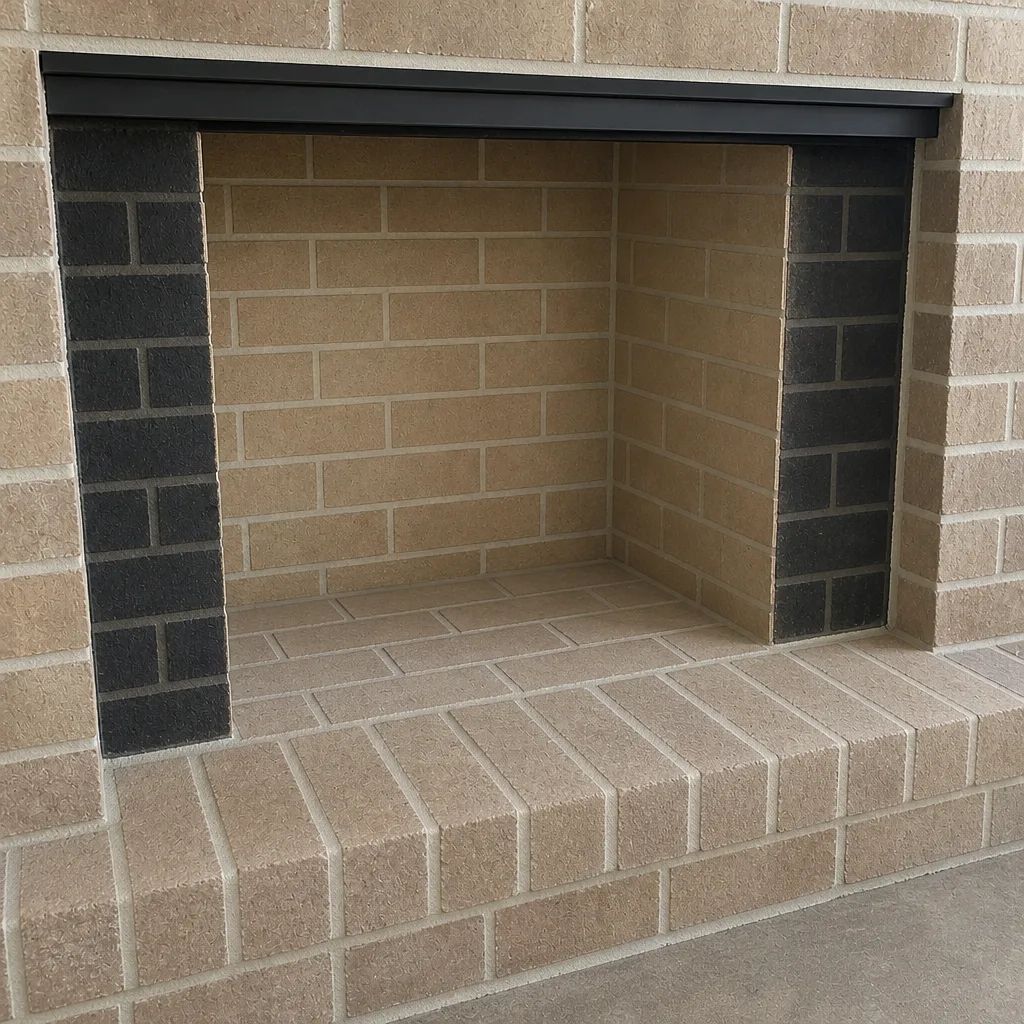
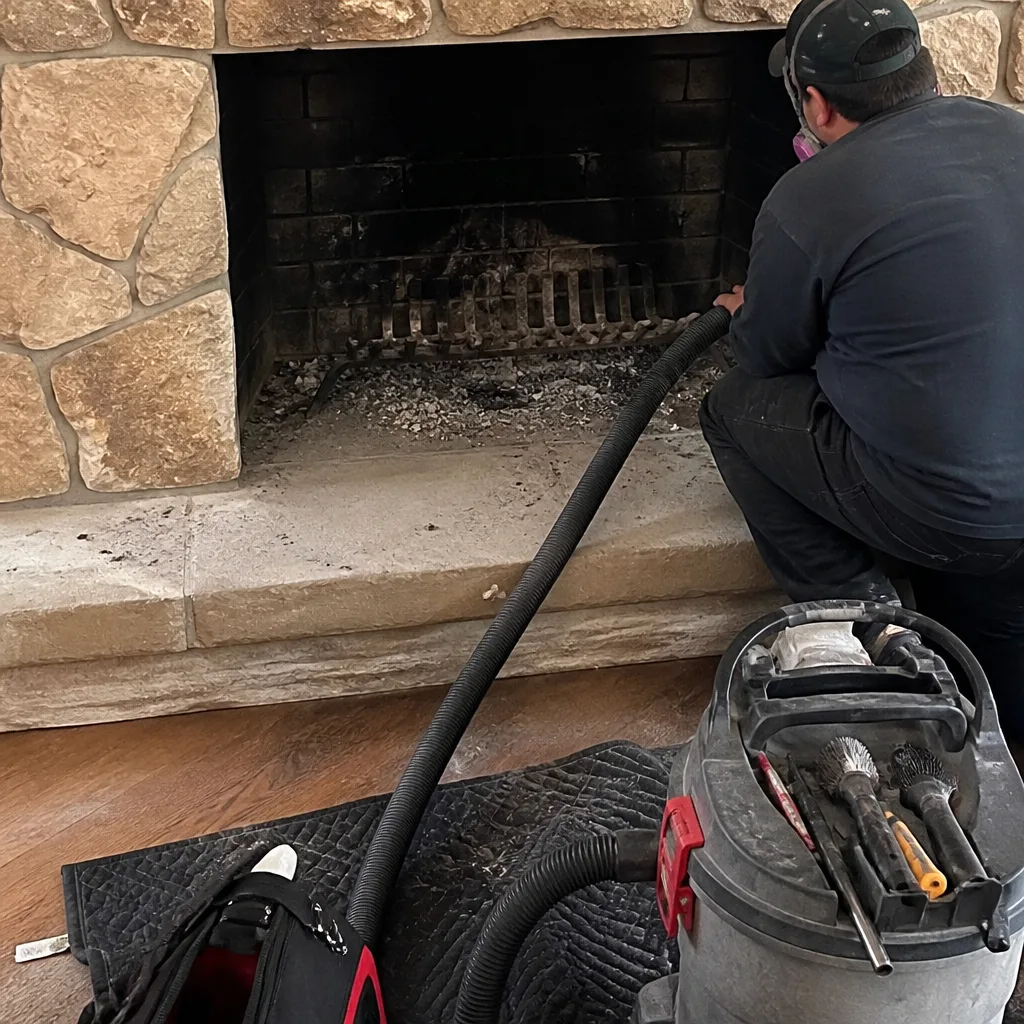
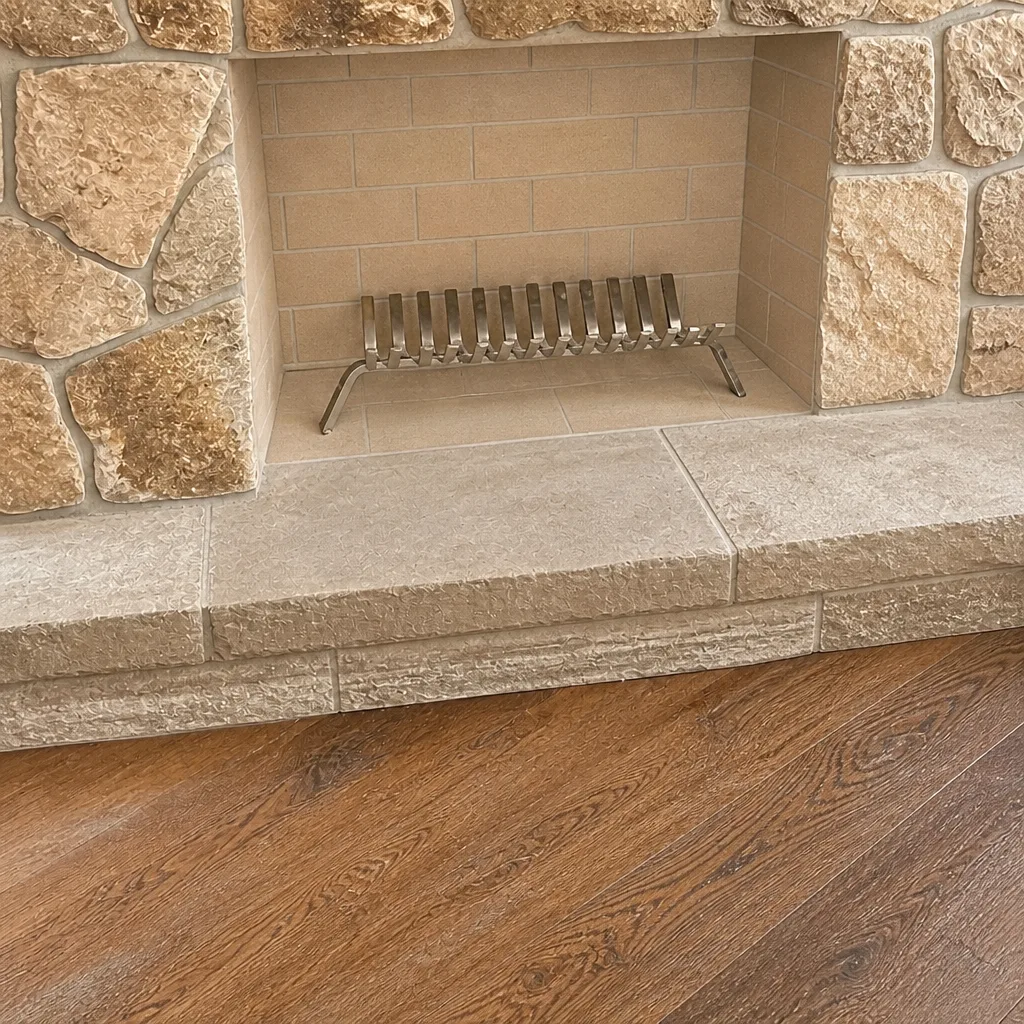
See the difference
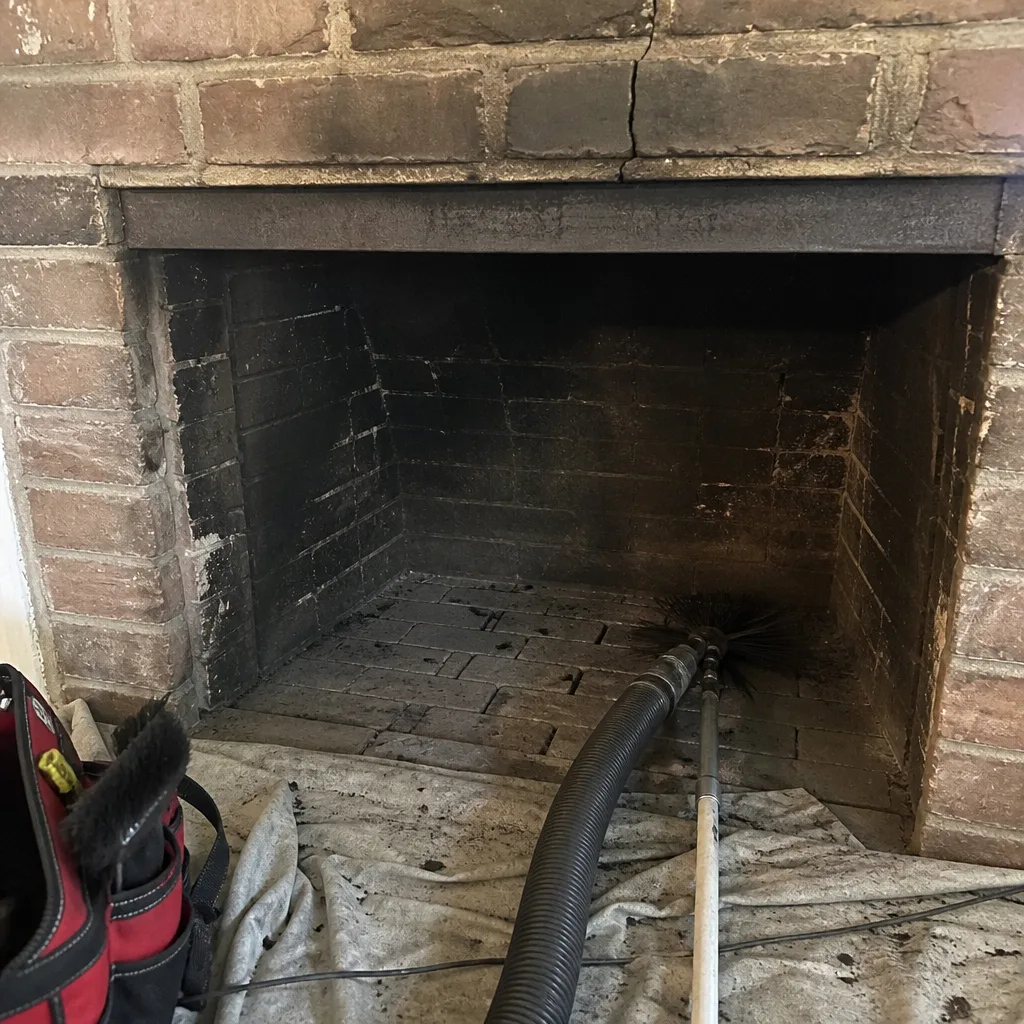 Before
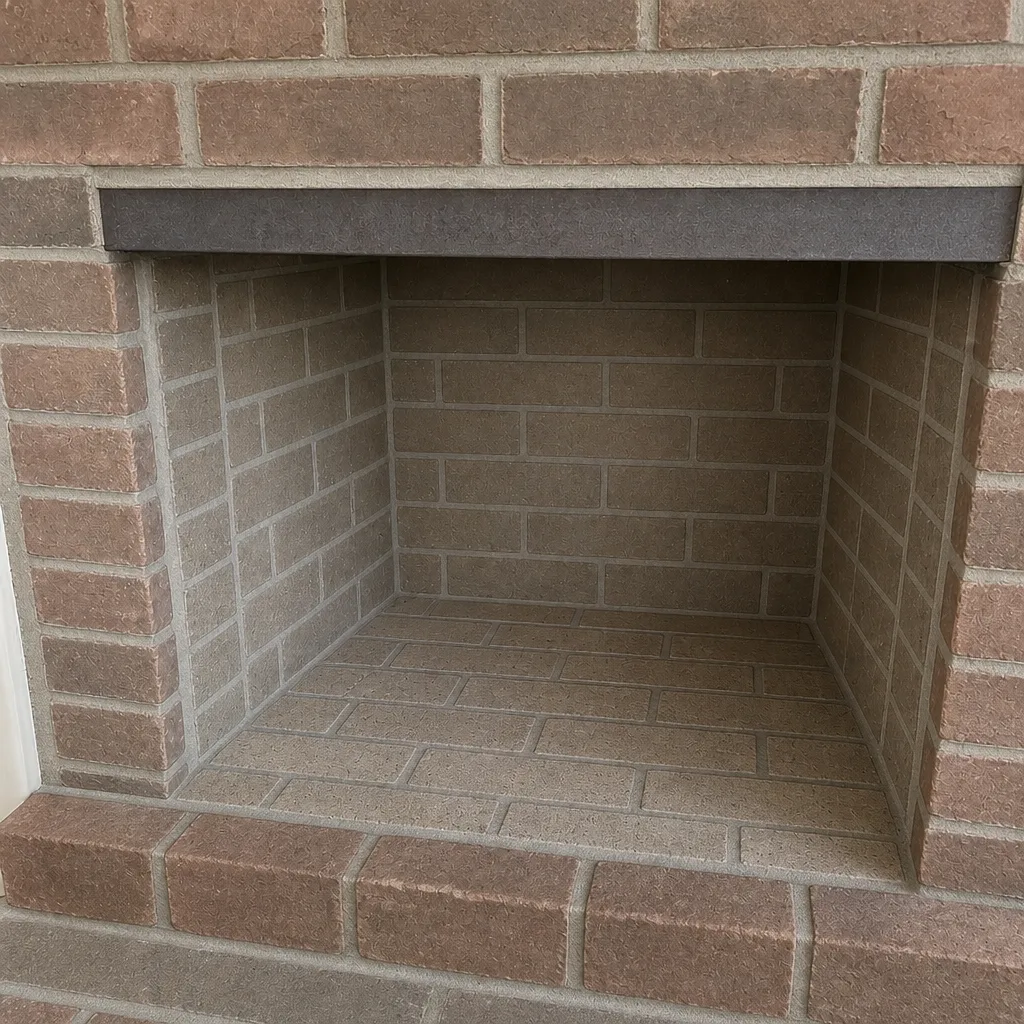 After
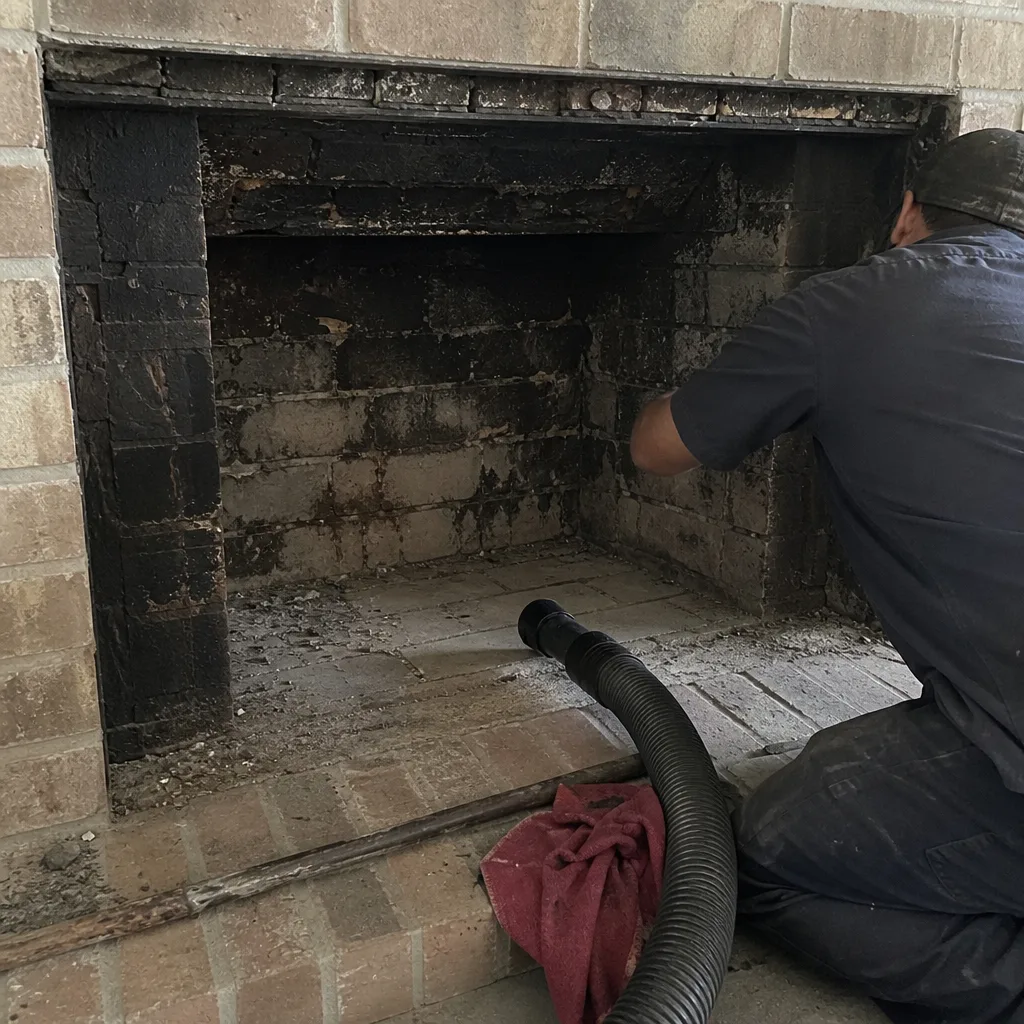 Before
 After
 Before
 After
When to Call a Professional
Some chimney work can wait a few weeks. Some shouldn’t wait a day. Call a professional if you smell a strong, pungent odor on warm days – that’s often creosote off-gassing, and it means the flue needs attention. Call if smoke rolls back into the room when you light a fire, or if a fire burns unevenly or won’t draw. Call if you’ve recently bought a home and don’t know the last time the chimney was swept. Call if you can see loose mortar, a cracked crown, missing cap pieces, or visible staining on the exterior. Call if you’ve never had a camera inspection, especially on a chimney older than ten years. When in doubt, a sweep is cheaper than a repair and both are cheaper than a chimney fire. If you’re not sure whether you need one, a sweep and inspection answers it.
We’ve seen enough Carrollton chimneys to know that most of the work that matters is caught during a routine sweep, not after a problem becomes an emergency. If you’re due, our chimney sweep service handles the inspection and the cleaning under one visit. Carrollton Chimney Cleaning offers free estimates in Carrollton – call (833) 946-9706.
Frequently Asked Questions
A typical chimney sweep in Carrollton runs in the low-to-mid hundreds, and the exact figure depends on the flue configuration, the amount of buildup, and whether the inspection is included. The written estimate sets the final price, and the estimate itself is free. Call (833) 946-9706 for an exact quote – estimates are free.
You need a new liner when the camera inspection shows damage that affects safety – cracked or separated tiles, gaps at the joints, or a liner that’s incompatible with the appliance. You don’t need one based on a flashlight glance. Ask to see the camera footage yourself before agreeing. If the contractor can’t or won’t show it, that’s the answer right there. Call (833) 946-9706 for an exact quote on a liner if it’s actually needed – estimates are free.
Once a year for most wood-burning fireplaces, and more often if you burn frequently during the colder months. Gas inserts need an annual inspection too, even though they don’t produce creosote the same way, because the flue can still have drafting problems or animal intrusions. The annual sweep is the baseline; the camera inspection confirms what the sweep found. Call (833) 946-9706 for an exact quote on a sweep – estimates are free.
Creosote accumulates in the flue, and glazed creosote is the fuel source for a chimney fire. Skipping the sweep also means missing the smaller problems – a cracked crown, a failed cap, a separated liner – that are inexpensive to fix early and expensive to fix later. The risk compounds quietly until something forces the issue. Call (833) 946-9706 for an exact quote on a sweep – estimates are free.
It’s the first filter, not the last one. CSIA certification verifies exam-passing knowledge and a code of ethics, but it doesn’t confirm insurance, it doesn’t guarantee the technician on your roof is certified, and it doesn’t cover how the contractor runs their business. Use it as one input, not the only one. Call (833) 946-9706 for an exact quote – estimates are free.
Some can, some can’t. Ask directly before booking. A full-service chimney contractor handles sweeping, inspection, and repair under one scope, which means the person who diagnoses the problem is the same one who fixes it. A sweep-only operator will hand off repair to a third party, and that handoff loses continuity. If you want a single visit and a single point of contact, ask the question upfront. Call (833) 946-9706 for an exact quote – estimates are free.
The Bottom Line
Hiring a chimney cleaning contractor in Carrollton isn’t about finding the biggest review count or the longest list of certifications on a business card. It’s about asking the right questions before anyone steps on your roof: Are you CSIA certified? Do you use a camera? What liner products do you install? Can you handle repair and sweep? And what’s in your written estimate? The answers separate the specialist from the person who was between jobs and bought a brush set. The lowest bid is rarely the best deal, and the contractor who shows you the camera footage before recommending work is the one worth hiring. Sweep, inspect, repair – handled by one specialist, verified by you before the first climb onto the roof.
Call Carrollton Chimney Cleaning at (833) 946-9706 for a free estimate. We answer 24/7. Fast dispatch from 7am to 7pm, Sunday through Friday. We’ll walk through what your chimney actually needs before any work is scoped, and the estimate is free. Whether you’re in Old Downtown Carrollton or out toward Rosemeade, a chimney that’s swept, inspected, and repaired by the same contractor is a chimney you can trust through the next burn season. Start with a call and a flashlight, and end with a camera and a written agreement.
Written by the team at Carrollton Chimney Cleaning.