
Last updated November 15, 2026
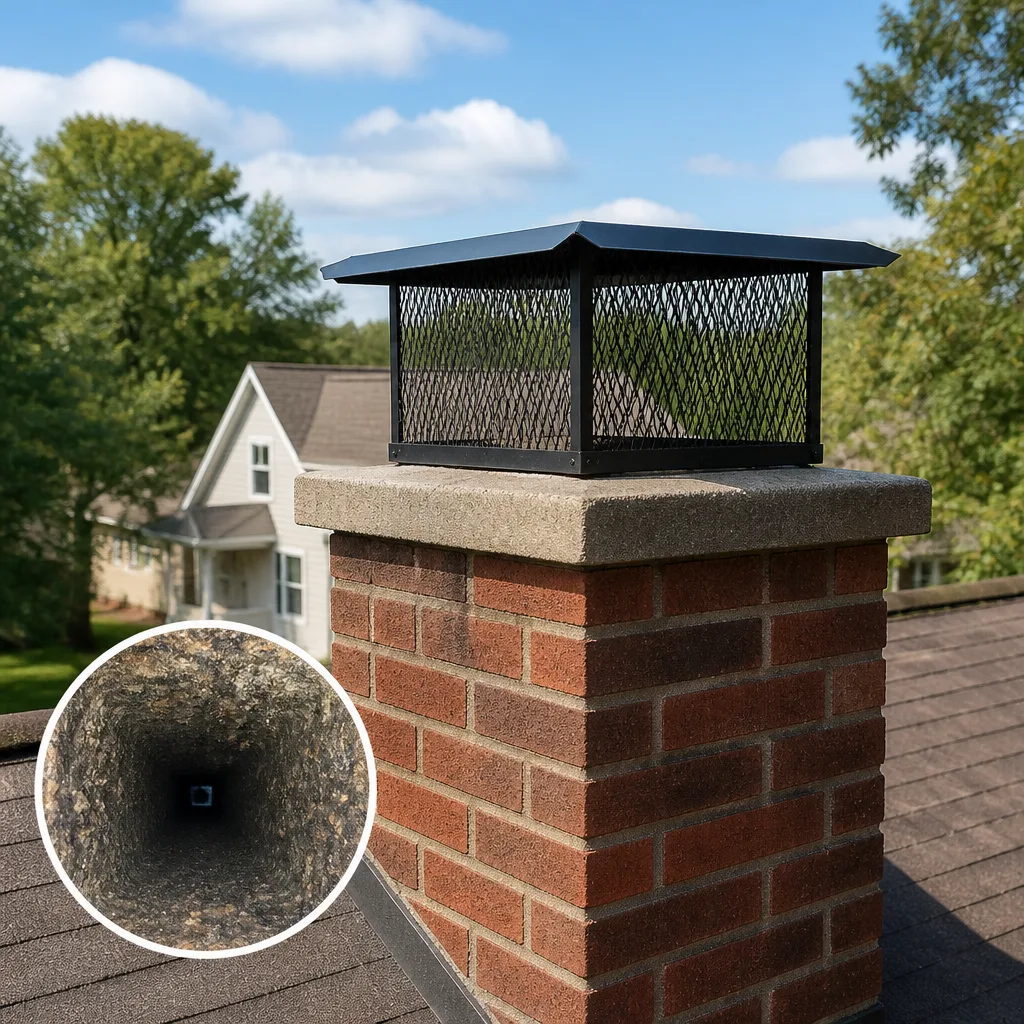 Sweep & inspection
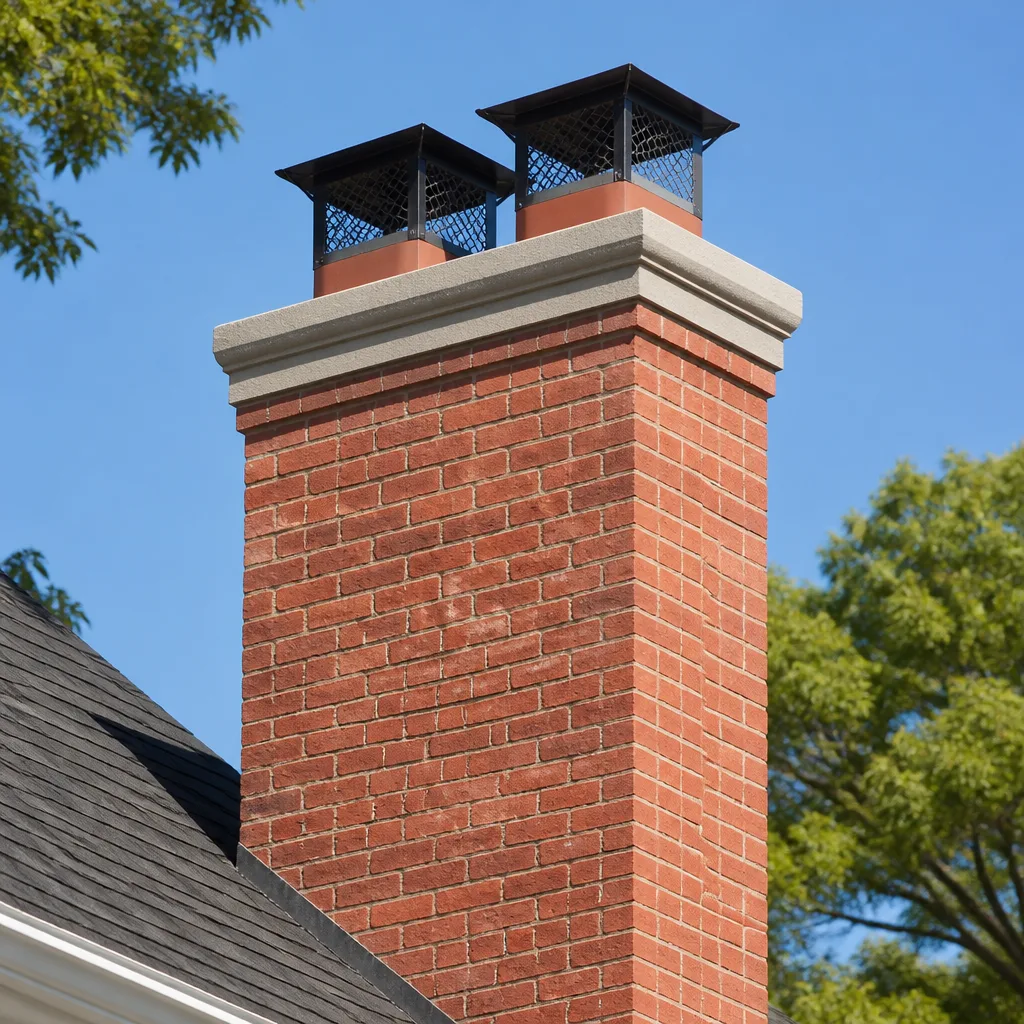 Caps & crowns
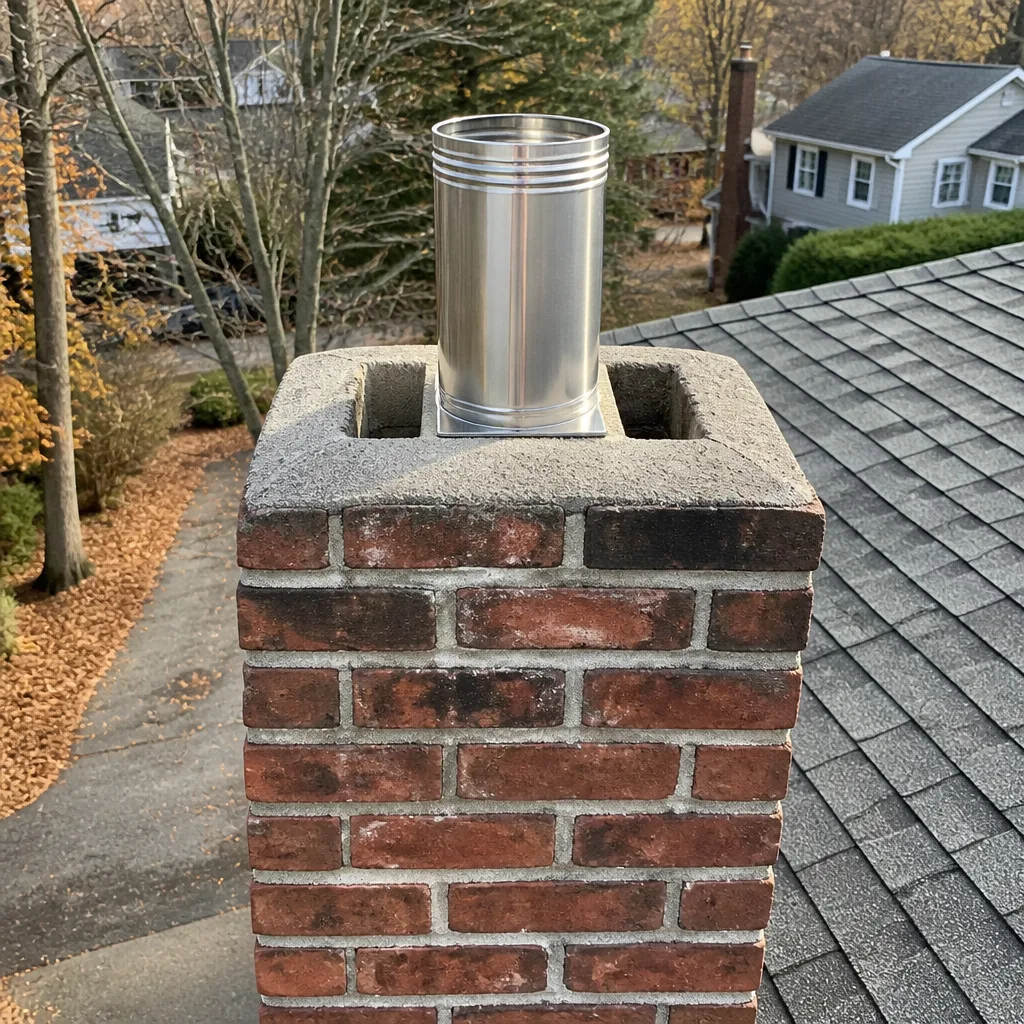 Flue relining
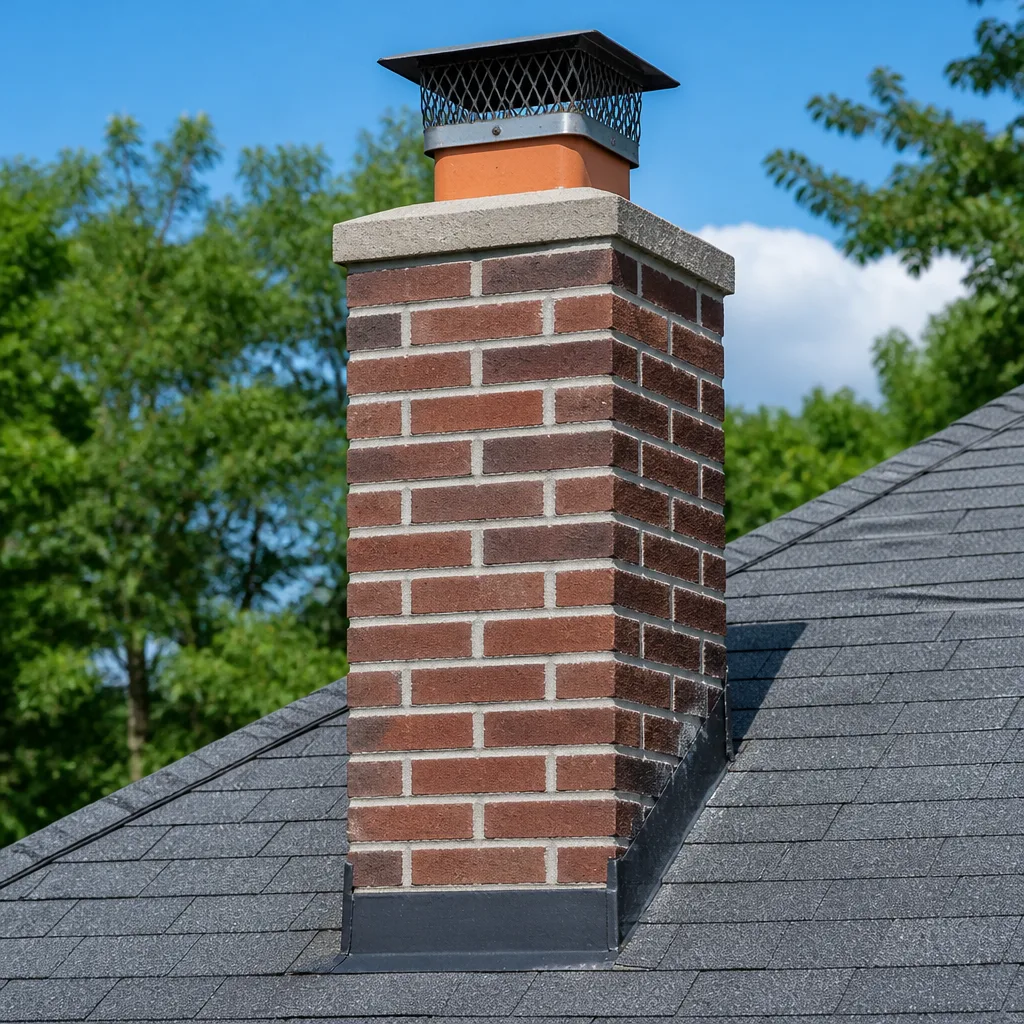 Masonry repair
 Gas fireplace service
Level 1 sweep and inspection to the NFPA 211 annual standard - flue, crown, cap, and flashing checked and photographed
Chimney sweep logs do not sweep chimneys. They loosen some creosote - which then falls where a brush and vacuum still have to collect it.
Chimney Cleaning Emergency Preparedness Guide for Carrollton Homes
Most Carrollton homeowners have a plan for the emergencies this region actually throws at them: a tornado warning, a summer grid strain, a flash flood on a low crossing. Almost none of them have a plan for the chimney. That’s the gap that costs people time and, occasionally, a lot more. A chimney fire can build from a quiet crackle to a roar inside your flue in under two minutes, and the people who come through it best aren’t the ones who stay calm by temperament. They’re the ones who already know the sequence. This guide walks you through the first three minutes of a chimney fire, how to tell one from ordinary noisy draft, what carbon monoxide from a blocked flue looks like, why the fireplace stays off until a Level 2 inspection clears it, and the two pre-season moves that make a Carrollton chimney emergency less likely in the first place.
Quick Answer
A chimney emergency in Carrollton means one of three things: an active chimney fire, a carbon monoxide event from a blocked or damaged flue, or a sudden obstruction that sends smoke into the room. For an active fire, call 911 first, get everyone out, and close the firebox door and damper only if you can do it without breathing smoke. After any chimney fire, the fireplace stays unusable until a Level 2 inspection confirms the flue is intact. Before the season starts, get the chimney swept and inspected so the emergency never gets a chance to start.
Styles & brands we work with
- Sweep & inspection
- Caps & crowns
- Flue relining
- Masonry repair
- Gas fireplace service
Table of Contents
- The First Three Minutes of a Chimney Fire
- Noisy Draft or Active Chimney Fire? How to Tell
- Carbon Monoxide and Blocked Flues in Carrollton Homes
- Why You Can’t Use the Fireplace Again Until a Level 2 Inspection
- Pre-Season Prep That Prevents Chimney Emergencies
- Detector Placement Around a Fireplace
- Your Chimney Is a System, Not a Hole in the Wall
- When to Call a Professional
The First Three Minutes of a Chimney Fire
A chimney fire is a flue fire. Creosote, the tar-like residue that builds up on the inside of a flue when wood burns incompletely, ignites and burns inside the chimney itself. Temperatures inside the flue can climb past 2,000°F in under two minutes. The fire is contained by the chimney structure, which is exactly what makes it deceptive: from the living room it can sound like a low rumble, and the room may not look like it’s on fire at all. What matters in those first minutes is the order you do things in.
- Call 911. This is first, not last. Chimney fires can spread into the framing of the house through cracks in the flue, and by the time it’s visible from outside it may already be in the walls. Tell the dispatcher it’s a chimney fire and give your Carrollton address clearly.
- Get everyone out of the house. Adults, kids, pets. If there’s a gas log set or an insert, don’t stop to fiddle with controls. Out first, then call from outside if you haven’t already.
- If you’re still inside and it’s safe to do so, close the firebox door and the damper. Closing the damper starves the fire of oxygen and slows it. But if opening the firebox door means a wall of smoke, don’t. Smoke inhalation puts people in the hospital faster than flames do.
- Don’t throw water on it. Water on a 2,000°F flue or a cast firebox can crack the masonry or the liner. A cracked flue is a much bigger problem than the fire you were trying to put out.
- Wait for the fire department. They’ll confirm the fire is out and check the attic and roof for extension. Don’t re-enter to survey the damage until they clear the house.
That’s the whole protocol. It’s short because the situation is short. The part people get wrong is the sequence: they try to fight the fire first and call second, or they leave the damper open because they think the fire needs to vent. In our experience the homeowners who handle a chimney fire best in Carrollton are the ones who ran through this exact sequence mentally before the season started, so the sequence was already there when they needed it.
Noisy Draft or Active Chimney Fire? How to Tell
A roaring draft and a chimney fire can sound almost identical from inside the room. Both produce a low rumble, both can sound like a freight train, both can shake the flue a little. This is the single most confused pair of symptoms in chimney work, and the responses are opposite: a noisy draft is normal, a chimney fire is an emergency. Here’s how to separate them.
| Signal | Noisy draft (normal) | Active chimney fire |
|---|---|---|
| Sound | Steady roar that matches the fire’s intensity | Rumble that builds, then a sound like a low-flying plane |
| Smell | Wood smoke, familiar | Sharp, acrid, hot-metal smell |
| Visible smoke | Smoke going up the flue, nothing from the chimney top outside | Thick smoke or sparks from the chimney cap outside |
| Draft at the damper | Strong but steady pull | Pulsing, uneven, almost a chuffing |
| Chimney exterior | Normal temperature | Warm to the touch, sometimes visibly hot |
| Color of smoke | Light gray or white | Dark, dense, sometimes with visible flame from the top |
If you’re on the fence, go outside and look at the top of the chimney. Sparks, visible flame, or thick dark smoke rolling out of the cap is a chimney fire. A normal draft has nothing coming out of the cap that you can see from the ground. If you can’t tell, treat it as a fire and call 911. The fire department would much rather roll on a noisy draft than arrive late to a flue fire.
One more distinction worth knowing: a draft problem is when smoke comes back into the room instead of going up. That’s not a fire, but it’s frequently a blockage or a pressure problem in the house, and it means the chimney isn’t doing its job. It also sends carbon monoxide into the house instead of up the flue, which leads to the next section.
Carbon Monoxide and Blocked Flues in Carrollton Homes
Carbon monoxide from a chimney isn’t a rare freak event. It’s the predictable result of a flue that can’t vent. Blocked flues come from a few common sources: a bird nest or squirrel nest built in the flue over the off-season, a collapsed liner section, a heavy creosote load that’s narrowed the flue, or a chimney cap that failed and let debris in. The CO goes where the smoke would have gone, which is into the house.
Carrollton homes have a couple of specific factors worth flagging. First, this is a mild-winter climate, so fireplaces get used intermittently rather than every night through a long cold season. That means the flue sits idle for weeks at a time, which is exactly when animals build nests and when homeowners stop thinking about the chimney. Second, the open-plan ranch layouts common in this area don’t give CO many barriers to cross. A blocked flue in a living room fireplace can register throughout the house.
What CO poisoning actually looks like:
- Headaches that show up when the fireplace is burning and fade when you leave the house
- Drowsiness, dizziness, or fatigue that feels out of proportion to the day
- Nausea without an obvious cause
- Confusion or irritability in more severe cases
- Pets or small children showing symptoms first, since they’re closer to the floor and breathe faster
If the alarm goes off, treat it like a fire: get everyone out, call 911 from outside, and don’t run back in to open windows. If the fireplace is on, close the damper if you can do it on the way out, but don’t make it a project. Don’t try to “air out” the house and see if the alarm clears. CO doesn’t dissipate on its own timeline while you’re inside watching it.
Detector Placement Around a Fireplace
Carbon monoxide detectors need to be near where the CO will actually collect, not just scattered around the house for peace of mind. Here’s where they belong in a Carrollton home with a wood-burning fireplace or gas insert.
- In the same room as the fireplace, on the wall or ceiling, roughly 5 feet above the floor or higher. CO mixes with warm air and drifts upward. Floor-level detectors pick it up too late.
- Near the sleeping areas. A detector in the hallway outside the bedrooms is essential. Bedroom doors attenuate alarms.
- On every level of the house. If there’s a second story or an attic conversion, it needs its own detector. CO doesn’t respect floor plates.
- Not directly above the firebox opening. Heat and occasional small smoke puffs from lighting a fire can trigger the alarm repeatedly and teach you to ignore it.
- One in the utility room if you have a gas water heater or furnace connected to a flue. A shared or adjacent flue failure is a scenario a single living-room detector won’t catch.
Test the detectors monthly and replace the unit or the battery according to the manufacturer’s instructions. When the detector alarms, replace it and don’t lean on the old one. A detector that’s quietly failed is worse than no detector, because it gives you confidence you don’t actually have.
Why You Can’t Use the Fireplace Again Until a Level 2 Inspection
After any chimney fire, the fireplace is out of service until a Level 2 inspection clears it. This is not a contractor protecting their revenue stream. It’s the only way to know whether the flue is still sound. A chimney fire burns at temperatures high enough to crack clay tile liners, open seams in a metal liner, warp a damper, and damage the chimney cap. None of that damage is visible from the firebox. The fire can burn out, the room can look fine, and the flue can be quietly compromised. Reuse it and the next fire goes straight into the framing.
A Level 2 inspection is a camera-based inspection of the flue from the inside. What it looks for:
- Liner integrity. Cracks, gaps, spalling in clay tile; separated seams or punctures in a metal liner.
- Creosote buildup after the fire. A chimney fire often leaves behind additional glazed creosote, sometimes in the upper sections the flames didn’t fully consume.
- Damper condition. Warped or seized dampers are common after a flue fire.
- Chimney cap and crown. Whether the cap survived, whether the crown has cracked, whether water or animals can now get in.
- The attic and roof penetration. Pyrolysis, charring, or heat damage where the chimney meets framing.
- Joints to the flue at the appliance. The connection between the firebox or insert and the flue itself.
This is where a specialist actually pays for themselves. Most generalist contractors don’t carry a camera or know how to read the results. If the liner is damaged, the repair path isn’t always a full replacement. HeatShield resurfacing can restore a deteriorated clay flue from the inside in many cases, which is less invasive and less expensive than tearing out masonry. When a full relining is needed, DuraFlex flexible liner systems handle the job and restore code compliance. What you can count on in either case is that the recommendation gets made from camera evidence you can look at yourself, not from a contractor’s gut instinct. If the chimney can safely wait for the repair, we’ll tell you that too.
Pre-Season Prep That Prevents Chimney Emergencies
Every chimney fire and every CO event has a prevention path, and the path is short. Two things, done before the first fire of the season, cut the probability of both by a wide margin.
Get the chimney swept and inspected before first use
A sweep removes the creosote that fuels a chimney fire, and an inspection catches the liner damage, blockages, and cap failures that lead to CO events. The industry standard is to have the chimney swept and inspected annually if you burn wood at all. In Carrollton, where fireplaces burn intermittently, an annual sweep is still the right cadence: creosote is a function of how much wood you burn and how cleanly it burns, and a fireplace used a dozen times a season still builds it. A camera inspection and photo report packaged with the sweep gives you documentation of what’s actually inside the flue, which is what you want to hang onto when you sell the house.
Have the cap inspected and repaired if needed
The cap is the first thing that stops an animal entry or a rain-driven water problem from becoming a chimney blockage. A missing, loose, or rusted-through cap is the most common root cause of a blocked flue in a Carrollton home. That’s why we work with Gelco and Famco cap and cover solutions rather than hardware store stock: the point is to fix the cause, not cover the symptom.
For gas inserts and oil flues
A gas insert vents differently than a wood fireplace, and a gas insert flue still needs inspection. Oil flues need annual cleaning and inspection too, and they’re often neglected because the oil appliance isn’t something a homeowner thinks of as a “fireplace.” If your Carrollton home has an oil flue, treat it with the same annual discipline.
Your Chimney Is a System, Not a Hole in the Wall
The mistake that sets up most emergencies is treating the chimney as a single component that gets “cleaned” once and then ignored. A chimney is a system: firebox, damper, flue, liner, crown, cap. A failure in any one of them turns the others into a liability. A cap failure lets water in, water damages the crown and the liner at the top, the liner cracks, and the fire you light in the winter sends smoke into the attic instead of up the flue. Nobody watching the fire from the living room sees any of that chain.
That’s why a sweep, an inspection, and a repair belong in the same visit and, ideally, the same relationship. When you have to call a sweep for one problem and a mason for another and a handyman for the cap, the pieces don’t get looked at together and the cause-and-effect chain never gets spotted. Our whole approach is built around handling all three under one roof: we stock and install products from a professional lineup that includes Olympia Chimney alongside DuraFlex, HeatShield, Gelco, Famco, and Copperfield, so we’re not outsourcing the repair work or sending you to a second contractor to finish the job.
We treat the chimney as a system because it is one. Sweep, inspect, repair, handled by one specialist, is the service structure that keeps an emergency from forming in the first place.
Common Mistakes to Avoid
- Waiting to call 911 in a chimney fire until you’re sure it’s a fire. You don’t have to be sure. Sparks from the cap, a rumble that builds, an acrid hot-metal smell: that’s a fire. Call and get out. Let the fire department tell you it was only a draft.
- Throwing water down the flue. A thermal shock crack in a clay tile or a cast firebox is a much more expensive problem than the fire, and it can happen in seconds. Water is not how a chimney fire gets put out.
- Using the fireplace after a fire without a Level 2 inspection. The room looking fine is not the same as the flue being sound. This is the single most common mistake after a chimney fire, and it’s how a contained flue fire turns into a house fire.
- Putting a CO detector on a low shelf or in the basement only. CO rises. A detector near the floor tells you about the CO that’s already pooling near your kids’ breathing zone. Mount it high, and put one on every level.
- Skipping the sweep because the fireplace “doesn’t get used much.” A dozen fires a season still builds creosote, and an idle flue is exactly where a bird nest forms. The idle months are when the blockage happens; the first cold night is when you find out about it.
- Hiring a general handyman for a chimney repair. HeatShield resurfacing and DuraFlex relining take product-specific knowledge most generalists don’t have. A patch that “looks fine” from the firebox can leave the flue out of code and unsafe to use.
- Ignoring a missing or damaged cap. It’s the smallest part of the system and the most common cause of a blocked flue. A cap that blew off in a spring storm becomes a nest by fall. If you haven’t looked at yours since last season, look now.
See the difference
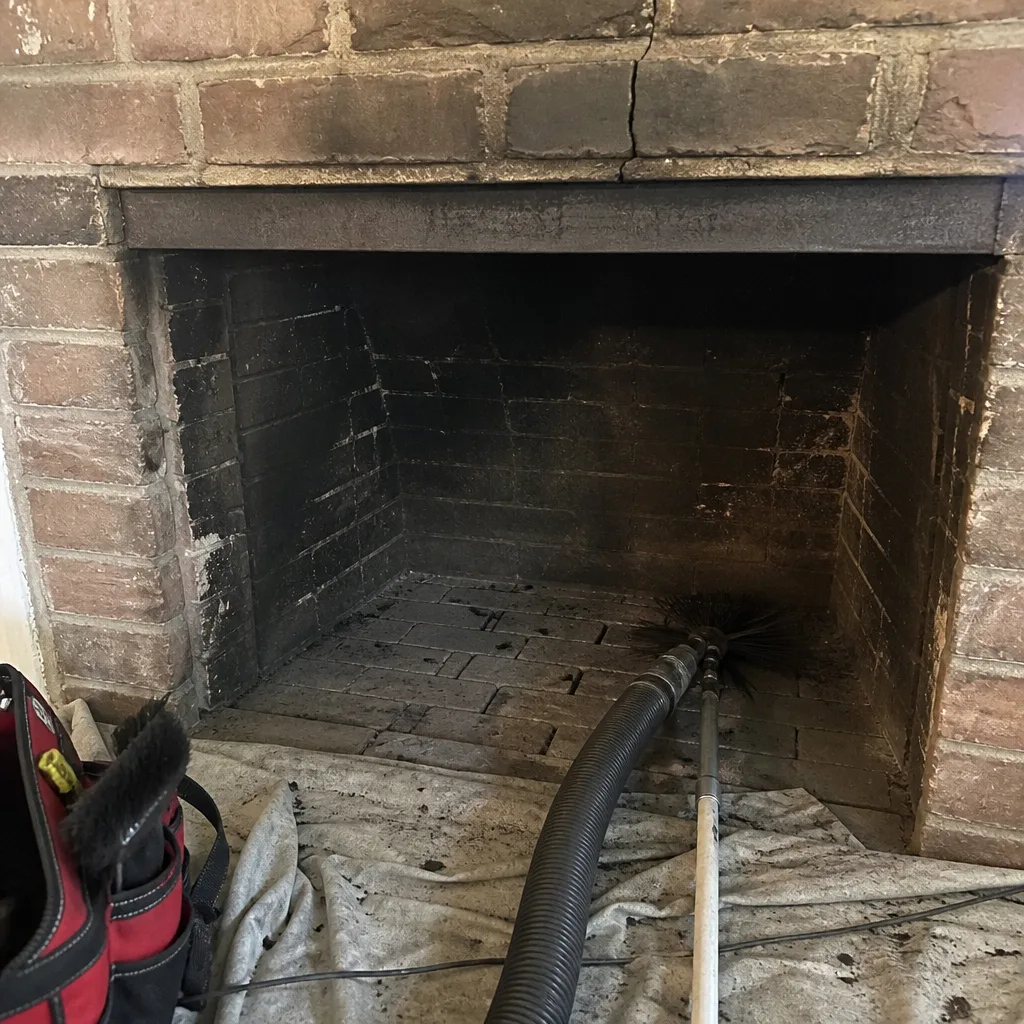 Before
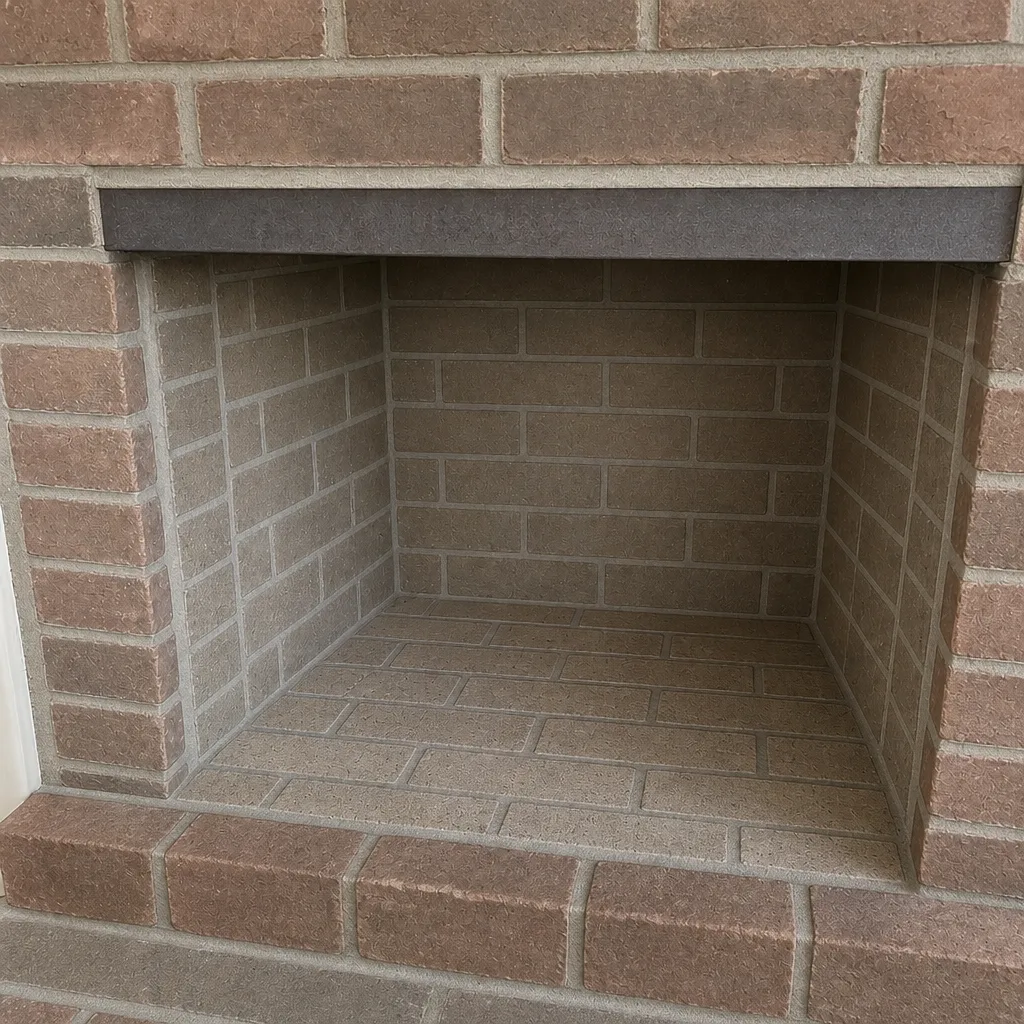 After
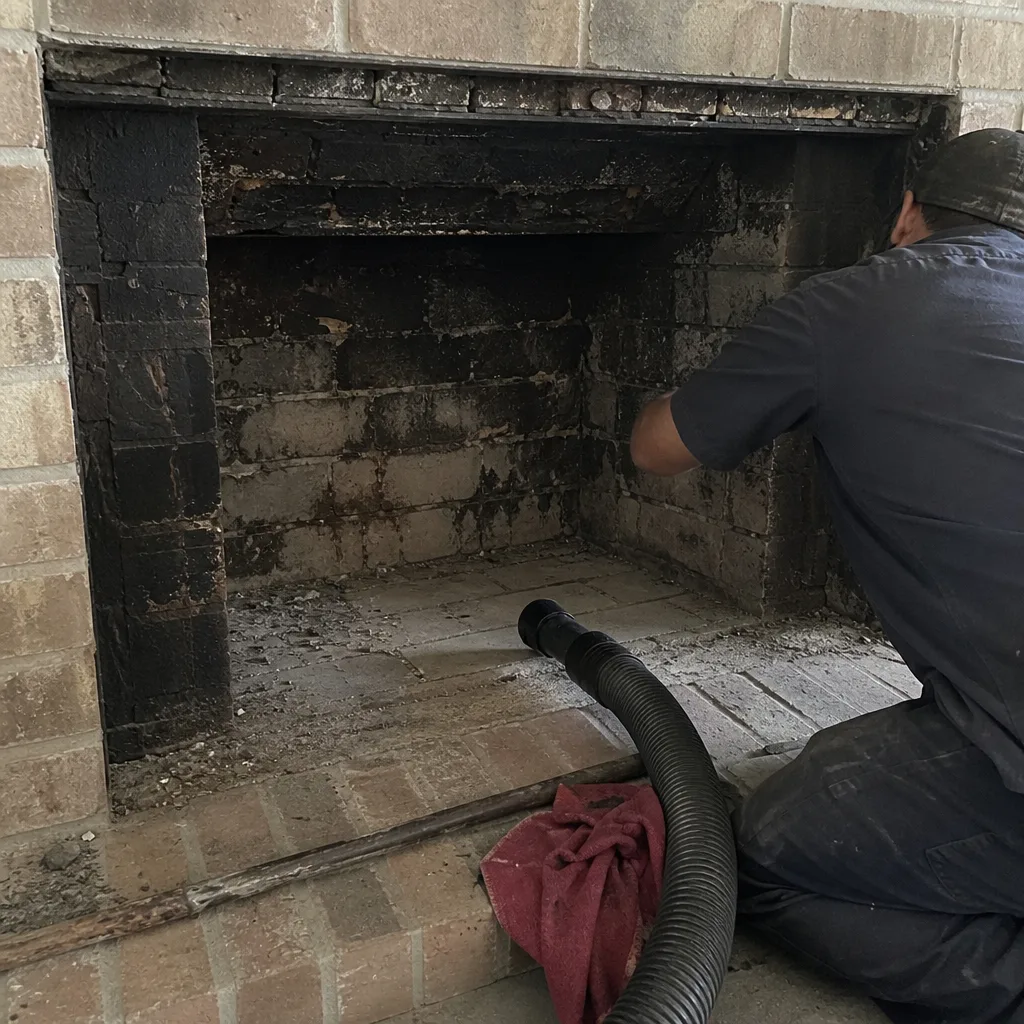 Before
 After
 Before
 After
When to Call a Professional
Call for the chimney after any flue fire, without exception, and don’t use the fireplace again until a Level 2 inspection clears the flue. Call if the CO detector has alarmed, if smoke backs into the room instead of drafting up, if you smell a sharp creosote or burning odor when the fireplace isn’t lit, or if you can hear animals in the flue. Call if you’ve just bought a Carrollton home and don’t have a documented sweep and inspection, if it’s been more than a year since the last sweep, or if you notice a draft problem, soot staining around the firebox, or a cap that’s missing. For a routine pre-season sweep or inspection, book it before the first cold night rather than after. Call Carrollton Chimney Cleaning at (833) 946-9706 for a free estimate. We answer 24/7. Fast dispatch from 7am to 7pm, Sunday through Friday.
Frequently Asked Questions
Call 911 first, then get everyone out of the house. If you’re still inside and the firebox door is reachable without breathing heavy smoke, close the door and the damper to starve the fire of oxygen, and don’t throw water on it. Sparks from the cap, a rumble that builds, or an acrid hot-metal smell is enough evidence to call and treat it as a fire. Call (833) 946-9706 for a post-fire inspection and estimate once the fire department clears the house.
It depends on the chimney, the access, and whether an inspection is bundled in, so the price is set per job by a written estimate after we’ve seen the flue. What we can tell you is that the estimate is free, the flat price is agreed before we book, and a camera inspection with a photo report is part of the picture. Call (833) 946-9706 for an exact quote. Estimates are free.
Yes. A Level 2 inspection is the only way to know whether the flue is still intact after a fire, because the damage that matters is inside the flue and invisible from the firebox. The inspection looks at liner integrity, creosote left behind, damper condition, cap and crown, the roof penetration, and the joint to the appliance. Until it’s done, the fireplace stays out of service. Call (833) 946-9706 to book one.
Go outside and look at the top of the chimney. Sparks, visible flame, or thick dark smoke rolling from the cap is a chimney fire; a normal draft has nothing visible coming out from the ground. An acrid hot-metal smell and a rumble that builds rather than staying steady also point to fire. If you can’t tell from those signals, treat it as a fire and call 911. Call (833) 946-9706 for a camera inspection afterward.
Mount one in the same room as the fireplace, on the wall or ceiling high up, not directly above the firebox opening. Add one near the bedrooms, one on every level of the house, and one near any shared flue if you have a gas water heater or furnace. Test them monthly and replace per the manufacturer’s instructions. If a detector has alarmed, don’t relight the fireplace until a professional has checked the flue; call (833) 946-9706 to book an inspection.
Annually if you burn wood at all, even intermittently. Creosote builds from how much you burn and how cleanly it burns, and an idle flue between seasons is where nests and debris collect. If it’s been over a year, or if you’ve recently bought the home and don’t have a documented sweep, book it before the first fire. Call (833) 946-9706 for a free estimate on a chimney sweep.
The Bottom Line
A chimney emergency is short and the response is shorter. Call 911 first, get everyone out, and close the damper only if you can do it without breathing smoke. If you’re not sure whether it’s a fire or a draft, treat it as a fire. After any flue fire, the fireplace stays off until a Level 2 inspection clears the liner, and that inspection needs a camera. The prevention path is annual: sweep, inspect, and a cap in good repair. Get those done before the first cold night in Carrollton and the emergency never gets the chance.
For a sweep, inspection, or chimney repair in Carrollton, call Carrollton Chimney Cleaning at (833) 946-9706 for a free estimate. We answer 24/7. Fast dispatch from 7am to 7pm, Sunday through Friday, with same-day service where the schedule allows, and a camera inspection and photo report included.
Written by the team at Carrollton Chimney Cleaning.