
Last updated November 15, 2026
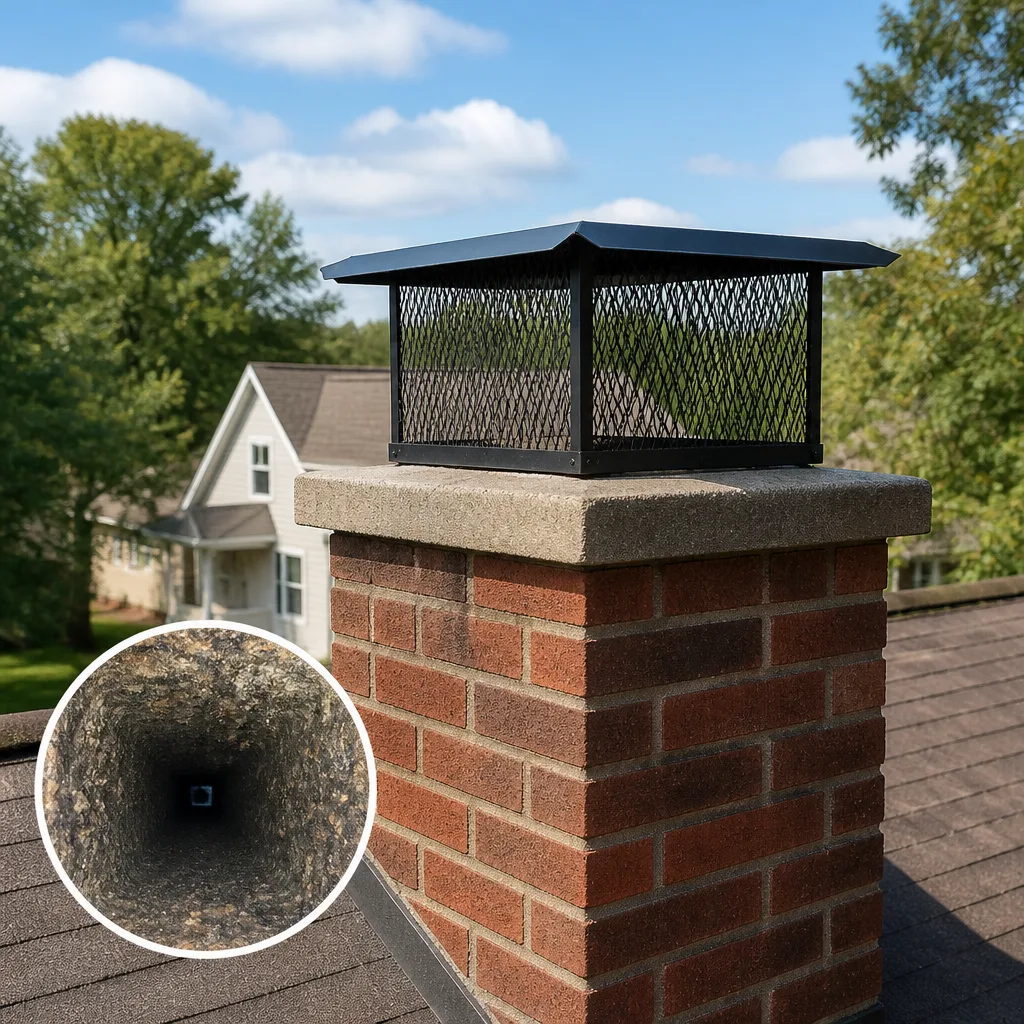 Sweep & inspection
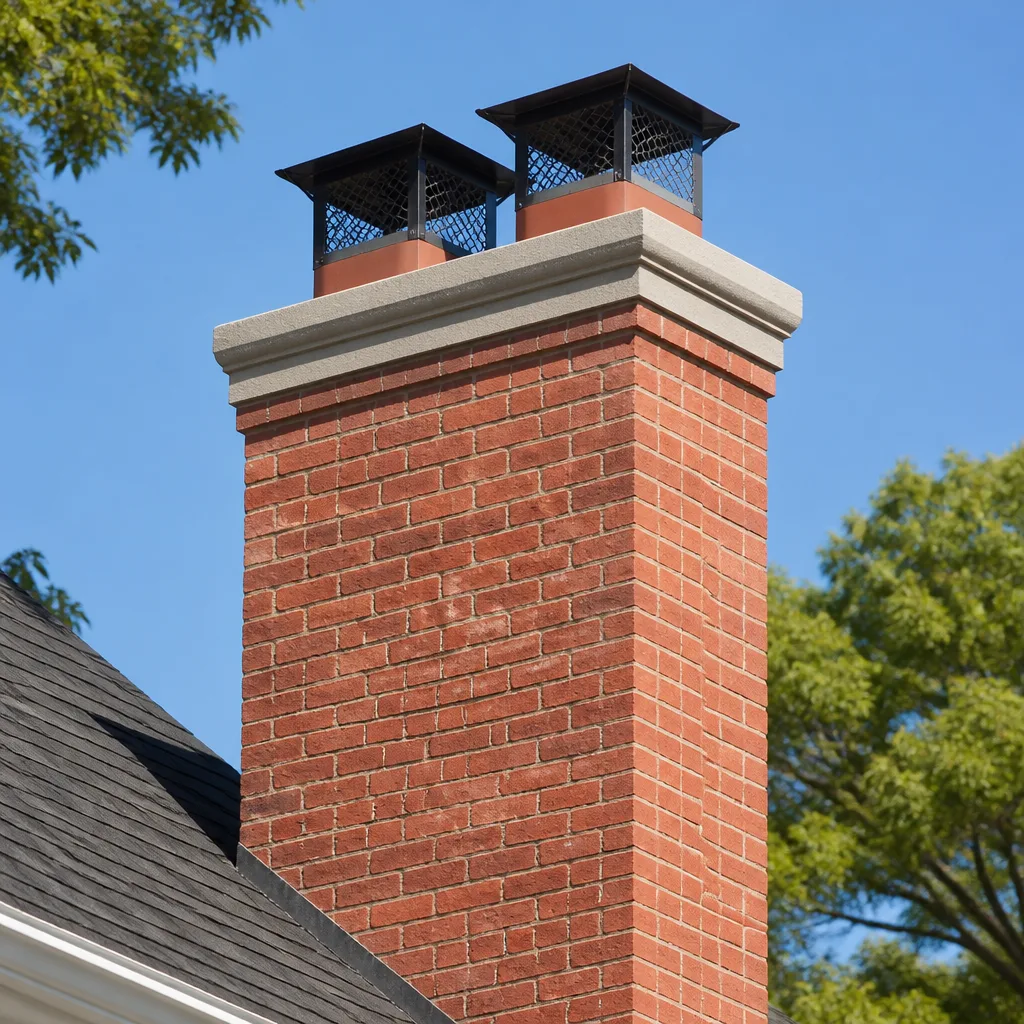 Caps & crowns
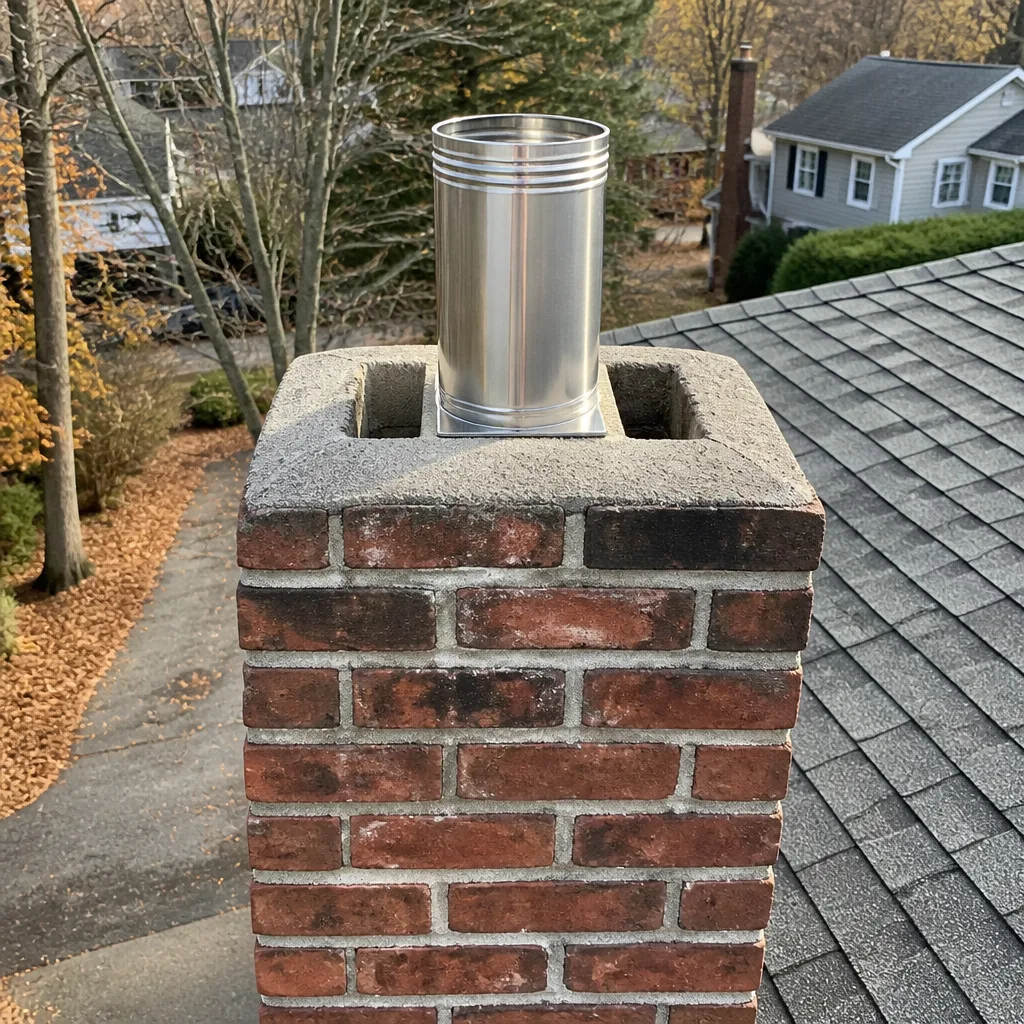 Flue relining
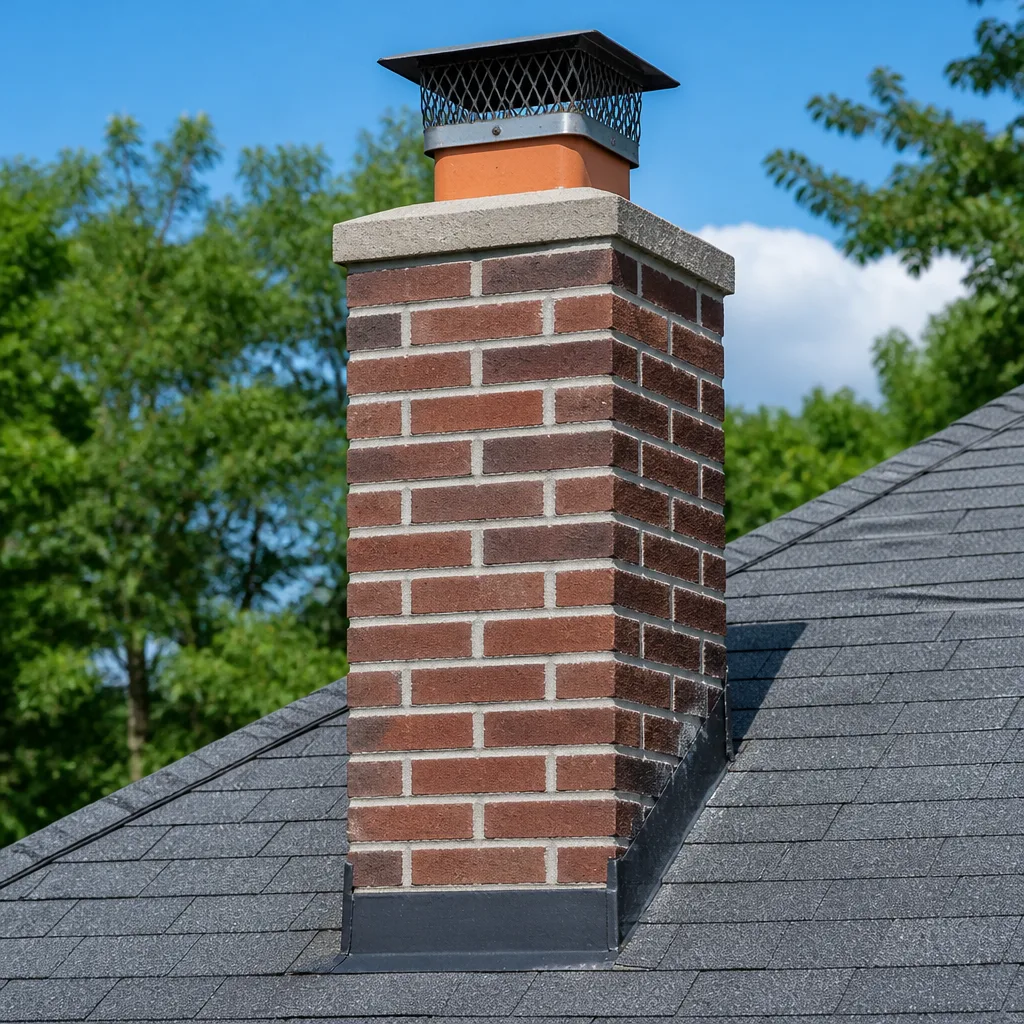 Masonry repair
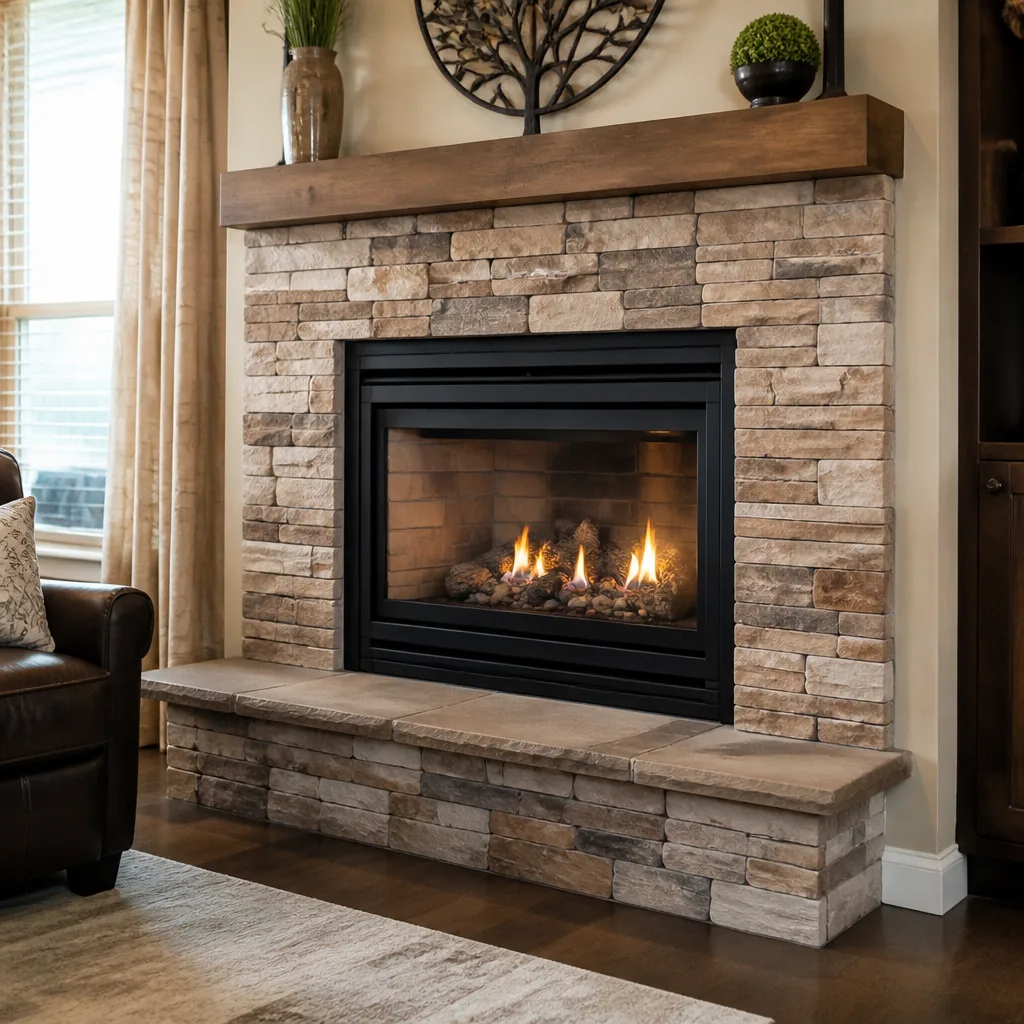 Gas fireplace service
Level 1 sweep and inspection to the NFPA 211 annual standard - flue, crown, cap, and flashing checked and photographed
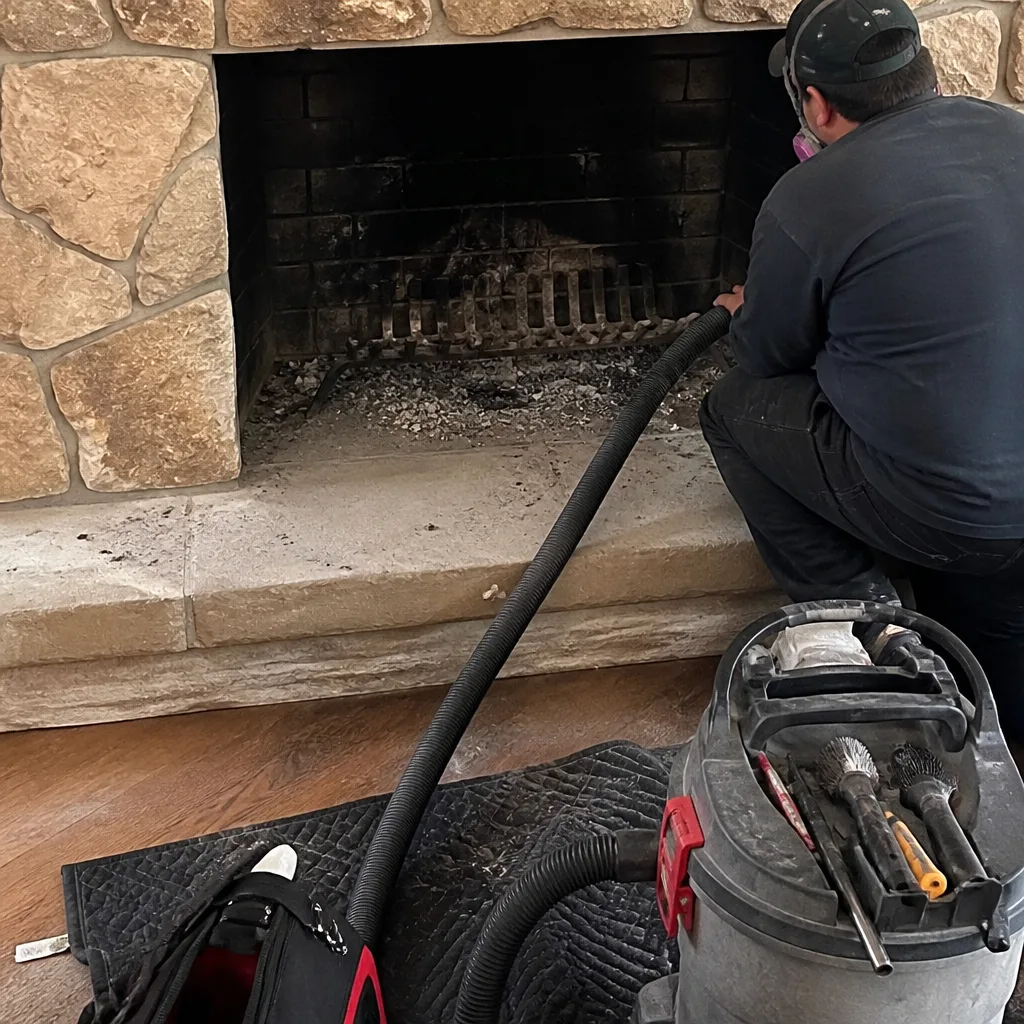
Chimney sweep logs do not sweep chimneys. They loosen some creosote - which then falls where a brush and vacuum still have to collect it.
Chimney Cleaning Warning Signs: A Carrollton Homeowner’s Reference Guide
A white stain on your chimney’s exterior isn’t a cosmetic issue. It’s called efflorescence, and it’s your masonry signaling that water is moving through it in a way that will eventually crack the structure from inside. Most chimney problems announce themselves like that: quietly, in a form that looks like normal aging or an unrelated house issue. A soft brick, a faint smell in July, a little smoke that rolls out before the flue warms up. By the time damage is dramatic, the repair is expensive and the fireplace is out of service. This guide teaches you to read the subtle cues a chimney gives off long before that point, and to know which ones you can check yourself and which demand a professional look. Everything here is written from Carrollton, where mild winters and humid summers shape what fails and when.
Quick Answer
The warning signs that a chimney needs professional attention are efflorescence (white staining) on exterior masonry, spalling brick, a sharp acrid odor instead of a normal smoky one, rust or staining around the firebox, smoke rolling into the room, a stiff damper, and evidence of animals or water intrusion. Any one of these justifies an inspection. Stage 3 glazed creosote, cracked liners, and blocked flues can only be confirmed with a camera, so what appears minor from the ground is often the surface of something larger inside.
Styles & brands we work with
- Sweep & inspection
- Caps & crowns
- Flue relining
- Masonry repair
- Gas fireplace service
Table of Contents
- Exterior Warning Signs: What Your Masonry Is Telling You
- Creosote Odor vs. Glaze: Reading the Smell
- Spalling Brick vs. Surface Weathering
- Interior Warning Signs You Can See From the Living Room
- Animal Intrusion: Catching It Before the Nest Blocks the Flue
- What You Can Check Yourself vs. What Needs a Camera
- How Carrollton’s Climate Affects Chimney Wear
- Common Mistakes to Avoid
- When to Call a Professional
- Frequently Asked Questions
Exterior Warning Signs: What Your Masonry Is Telling You
Stand across the street from your house and look at the chimney for a full minute. That’s the first inspection, and most homeowners never do it. The exterior is where water damage and structural stress show up first, because masonry is porous and takes on moisture from every direction: rain driven against it, humidity in the air, and the condensation that forms when a chimney is warm inside and cool outside. In Carrollton, humidity is a year-round presence, so masonry stands wet longer than you might expect.
Here’s what to look for and what each sign means:
- Efflorescence – a white, chalky stain on the brick. It’s salt pushed to the surface as water moves through the masonry and evaporates. Small amounts at the base can be harmless, but staining that rises up the stack or returns after scrubbing means water is actively traveling through the brick and its internal bond is weakening.
- Dark or rust-colored streaks – these usually point to a failed cap, crown, or flashing, allowing water to enter the system and carry corrosion down the face.
- Visible cracks in the crown or the mortar joints – the crown is the concrete cap at the top. A cracked crown funnels rainwater straight into the flue. It’s a small repair done early and a serious one ignored.
- A leaning or tilting chimney – rare, but a foundation or footing problem. Stop using the fireplace until someone inspects it.
- Missing or rusted cap and spark screen – without a cap, rain and animals go straight down the flue. Caps are inexpensive and prevent the most expensive kinds of damage.
We’ve seen the same pattern repeat in Carrollton homes again and again: efflorescence is treated as a stain to wash off rather than a symptom to investigate. A professional chimney repair visit starts with the cause, not the stain – addressing the crown, flashing, or cap that let moisture in, then repairing the masonry. Fixing the appearance without fixing the water source is patching to pass, and it always comes back.
Creosote Odor vs. Glaze: Reading the Smell
Every wood-burning chimney smells like woodsmoke. Some creosote smell is completely normal, especially in warm weather when the chimney is not drafting and stale air settles down the flue. That mild smoky odor on a hot day is the sign of a chimney that needs a sweep, not a crisis.
Then there’s the other smell. A sharp, acrid, almost chemical odor that feels like it’s sitting in the room rather than drifting on the air. That’s the smell of glazed creosote, and it means the deposits inside the flue have gone past soot and past flaky tar into Stage 3: a hard, shiny, glassy layer. This matters because glazed creosote is not removed by the same methods as softer buildup. Normal sweeping brushes glance off it. It has to be broken down chemically or mechanically by someone who recognizes what they’re looking at.
The three stages, in plain terms:
- Stage 1 – soot and flaky deposits, usually under a thin layer. Routine sweeping handles it.
- Stage 2 – tar-like, sticky, and harder to dislodge. Still sweepable with the right tools and technique.
- Stage 3 – glazed, hard, and highly combustible. It requires specialized removal, and a camera inspection should follow to check for liner damage underneath.
The practical lesson: if you find yourself closing the glass doors because of the smell, or noticing that the fireplace room has developed an odor the rest of the house doesn’t have, that’s your cue. A routine chimney sweep with a camera inspection will tell you which stage you’re at and what it will take. If you’re noticing the sharp smell, don’t burn until someone looks.
Spalling Brick vs. Surface Weathering
Not every flaky brick is failing. Brick surfaces naturally weather, and some minor flaking, dusting, or color variation is just age. Spalling is different, and the distinction matters because it determines whether the repair is cosmetic or structural.
Surface weathering looks like this: the face of the brick changes color slightly, a few tiny flakes come loose, and the brick underneath is intact. It’s stable. It doesn’t get worse quickly, and it doesn’t point to a structural problem.
Spalling looks like this: chunks of the brick face peel away, sometimes a quarter-inch deep or more, exposing the softer inner clay. You’ll often see brick fragments on the roof or at the base of the chimney. Spalling happens when water gets into the brick, expands as it works its way out, and pushes the face off from behind. Left alone, spalling brick gets softer and weaker with each wetting cycle, and the mortar joints around it begin to crumble too.
What makes spalling tricky is that it can be caused by factors far up the chimney: a cracked crown, a missing cap, or failed flashing. By the time the brick shows it at eye level, the water has been getting in for a while. That’s why we ask homeowners to describe the whole chimney, not just the spot that caught their eye. Repairs that address the visible spall without finding the water source are temporary. Repairs that use proper mortar and materials matched to the original masonry, then seal the top, stay fixed.
In our experience, spalling in Carrollton tends to show up on the outward-facing sides most exposed to wind-driven rain, and it’s one of the clearest reasons to schedule a look before the problem spreads.
Interior Warning Signs You Can See From the Living Room
Some of the most important warning signs are visible without ever leaving the house. They come from inside the firebox, around the opening, and in how the fireplace actually behaves when you light a fire. These are the cues homeowners sit closest to but most often dismiss as quirks of their particular fireplace.
Watch for these:
- Staining around the firebox or on the face of the fireplace – dark streaks, soot stains, or brown water marks. Water marks mean the chimney is leaking from above. Soot streaks mean smoke is escaping where it shouldn’t, usually a sign of a draft problem or a damaged flue.
- Smoke rolling into the room – some smoke at startup while the flue warms is normal. Smoke that keeps coming after the flue is warm, or that backs up when you open the doors, points to a blockage, negative pressure, or a flue that’s too small for the opening.
- A damper that sticks, won’t open all the way, or won’t stay open – rust, debris, or a bent frame. A damper that’s stuck closed is a safety problem; a damper stuck open wastes heat and can vent gases back into the room.
- Odor even when the fireplace is not in use – a strong creosote smell in warm weather is usually a sign of buildup that needs to go.
- Rust on the firebox or damper – a clear indicator of moisture getting in through the top of the chimney.
- Spalling or crumbling visible inside the firebox – heat damage to the firebrick, which should be assessed before another fire.
If you see soot streaks on the wall above the fireplace or the smell doesn’t clear when the fire is out, that’s a good moment to reach our team for a look. These interior signs are better caught early. In the same way a small roof leak shows up as a ceiling stain before the ceiling collapses, a small flue leak shows up as staining long before anything dramatic happens.
Animal Intrusion: Catching It Before the Nest Blocks the Flue
Birds, squirrels, and raccoons love a chimney. It’s warm, dry, and out of the weather, and an uncapped flue looks exactly like a hollow tree to a bird looking for a place to nest. Animal intrusion is one of the most preventable chimney problems there is, and one of the most dangerous once it’s established.
The early signs are subtle:
- Scratching or chirping sounds from the flue – especially in the morning or at dusk.
- Feathers, twigs, or droppings on the roof or at the base of the chimney – evidence the chimney is being used as a nesting site.
- Odor inside the house when the fireplace isn’t in use – a distinct animal smell, not wood smoke.
- Birds flying in and out of the chimney top – obvious once you look, invisible if you never do.
- Smoke that won’t draft correctly – a nest blocking the flue changes airflow even if it feels like a smaller obstruction.
By the time you notice the smell or the sound, the animal may have been there for weeks, and the nest may already be blocking a significant portion of the flue. A blocked flue doesn’t vent carbon monoxide the way it should, and it’s a fire risk when a nest of dry twigs sits above an active fireplace. Never try to smoke an animal out or dislodge a nest yourself – that’s how animals end up inside the house or injured.
The fix is two-part: remove the obstruction safely, then install a proper cap and spark screen so it doesn’t happen again. We use Gelco and Olympia Chimney caps to close off the top of the flue against rain, birds, and squirrels, and an inspection confirms the flue is clear all the way down. If you suspect animals in your chimney, don’t light a fire. Get it checked.
What You Can Check Yourself vs. What Needs a Camera
One of the most useful things this guide can do is separate the warning signs you can safely observe from the ones that require a professional with a camera inspection system. Knowing the difference keeps you from missing something serious, and from doing anything dangerous trying to check something you can’t see.
Here’s the breakdown:
- DIY-observable (safe to look at and note): exterior masonry, including efflorescence, cracks, spalling, and the condition of the cap and crown; staining around the firebox; damper operation; smoke behavior and draft; and any animal sounds or debris on the roof.
- Needs a professional (do not attempt): the interior of the flue; the condition of the liner; the depth and stage of creosote buildup; the integrity of the smoke chamber above the damper; and any blockage below the top of the stack. All of these require a camera system and a trained eye.
The reason this line matters is safety. Climbing onto a roof to peer down a chimney, disassembling parts of a fireplace, or trying to clear a flue with a brush from the roof are three of the most common ways homeowners get hurt or cause damage. We recommend the professional path for anything beyond a visual check from the ground and a look inside the firebox. A camera inspection shows you exactly what’s going on, and in our experience that’s the only way to make a real repair recommendation. We identify what’s wrong before we recommend what to fix.
How Carrollton’s Climate Affects Chimney Wear
Chimney wear is not the same in every climate, and what happens in Carrollton is specific. The winters here are mild. That’s good news for freeze damage and bad news in one particular way: a mild winter means a lot of chimneys are used lightly and inspected rarely, and the signs of wear build up quietly over years instead of being reset by a hard winter that forces attention.
What actually drives chimney problems in Carrollton:
- Humidity. North Texas air holds moisture much of the year, and masonry stays damp longer than you’d think. Damp brick plus a water source at the top is what causes spalling and efflorescence.
- Heavy seasonal rain. Spring and fall storms deliver water in bursts, and a cracked crown or failed flashing turns that burst into an interior leak.
- Long stretches between fires. Chimneys that sit idle gather stale air and moisture, and creosote that’s been sitting dry for months can smell strongly in the summer.
- Gas inserts and appliances. Some Carrollton homes use gas logs or have a gas appliance venting through the chimney. These vent differently and need their own kind of check – carbon monoxide is a real risk if the venting is obstructed.
The practical timing tip for Carrollton: before you start using the fireplace for the season, have it inspected. The streets around Downtown Carrollton and the older parts of town have plenty of homes with mature fireplaces and decades-old masonry. A pre-season look in the fall catches the efflorescence, the spalling brick, and the dry creosote before they become an expensive winter. If you’re in a newer home, an annual look still matters – newer masonry has its own failure points, especially at the crown and flashing.
Common Mistakes to Avoid
- Treating efflorescence as a cleaning problem. Scrubbing the white stain off the brick hides the symptom. The water is still moving through the masonry, which means the structure is still weakening. Find the source before it spreads.
- Assuming a little smoke is normal. A small puff at startup is normal. Smoke that keeps rolling into the room means airflow is compromised, and the cause – a blockage, a damaged flue, or a pressure problem – won’t fix itself.
- Burning a fire with a suspected animal nest in the flue. This is a fire risk and a carbon monoxide risk at the same time. If you hear scratching or smell something in the house that isn’t woodsmoke, don’t light a fire until the flue is checked.
- Skipping the inspection after a “good” sweep. A clean flue isn’t the same as a sound one. Our inspections include a camera inspection and a photo report so you can see the inside of the chimney for yourself, and that’s the only way to catch a failing liner or a damaged crown before it’s expensive.
- Hiring a general handyman to chase a repair. Chimney repair takes the right materials – HeatShield resurfacing for liners, DuraFlex flexible liner systems for relining, and masonry matched to the original. A generalist without those tools will patch what they can reach and leave the rest.
- Putting off a repair because “it still draws.” A chimney can draw fine right up until the day it doesn’t. Damaged liners and failing masonry don’t announce themselves with a dramatic event – they get worse quietly, and the eventual repair costs more than the original one would have.
- Ignoring the cap. The cap is the single cheapest piece of prevention on the whole chimney. It keeps out rain, birds, and squirrels, and it makes everything below it last longer.
When to Call a Professional
Some warning signs are a “schedule a look” and others are a “stop and call.” Stop using the fireplace and call us if you smell a sharp acrid odor that doesn’t clear, see smoke rolling into the room after the flue is warm, hear an animal in the flue, see water staining inside the firebox, or notice that the chimney looks tilted. Schedule an inspection if you see efflorescence, spalling brick, a deteriorating crown or cap, a sticking damper, or if you have simply not had the chimney inspected in the last year. If you’ve recently bought a home in Carrollton, an inspection is the first thing to book before you use the fireplace. Carrollton Chimney Cleaning offers free estimates in Carrollton – call (833) 946-9706. We answer 24/7. Fast dispatch from 7am to 7pm, Sunday through Friday.
Frequently Asked Questions
The most commonly missed sign is efflorescence, the white staining on exterior brick. It’s usually mistaken for a cosmetic stain or hard-water deposit. In reality it’s a signal that water is actively moving through the masonry, and if the source at the top isn’t fixed, the structure weakens over time. Look at the chimney from across the street at least once a season; it’s the easiest check you can do.
Normal creosote smell is a mild wood-smoke odor, usually strongest in warm weather when the chimney isn’t drafting. A dangerous smell is sharp, acrid, and chemical, and it tends to linger in the room rather than drift. That sharper smell usually signals Stage 3 glazed creosote, which needs different removal methods than routine soot. If you’re not sure which one you have, an inspection settles it.
You can safely check the exterior for stains, cracks, spalling, and cap condition, and you can check the firebox for staining, rust, and damper operation. Anything inside the flue – the liner, the creosote stage, the smoke chamber – requires a camera system and a trained technician. Don’t climb the roof or try to dislodge anything in the flue yourself.
Spalling brick shows chunks of the brick face peeling away, exposing the softer clay underneath. You’ll often find brick fragments on the roof or at the base of the chimney. It does mean the masonry needs attention, because each wetting cycle weakens the brick further, and there’s usually a water source at the top that needs fixing at the same time. Catching it early keeps it a repair rather than a rebuild.
Most chimneys should be inspected once a year, and swept whenever buildup reaches a meaningful stage. If you burn frequently, inspect before each heating season. If you’ve recently moved into a home in Carrollton, book an inspection before the first fire – you have no way of knowing when the last one was done or what condition the flue is in. A camera inspection with a photo report tells you exactly where you stand.
Skipped maintenance lets small problems grow into expensive ones. Creosote builds up and reaches a stage that’s harder to remove; a small crack in the crown lets water into the flue; spalling brick weakens; and a blocked flue creates carbon monoxide and fire risk. None of these happen overnight, and that’s exactly why they’re easy to skip. The repair that was a small job becomes a structural one. Call (833) 946-9706 for a free estimate on an inspection, and we’ll tell you plainly whether the work can wait.
See the difference
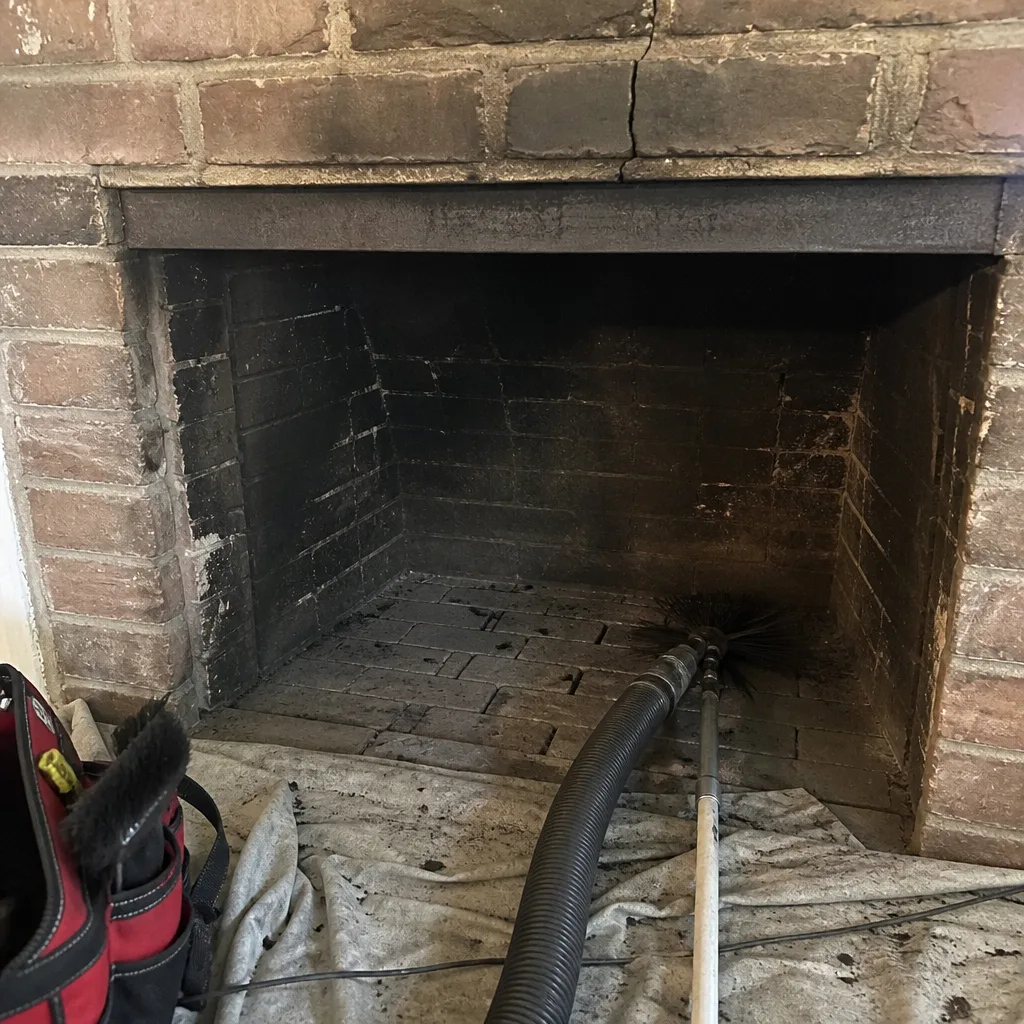 Before
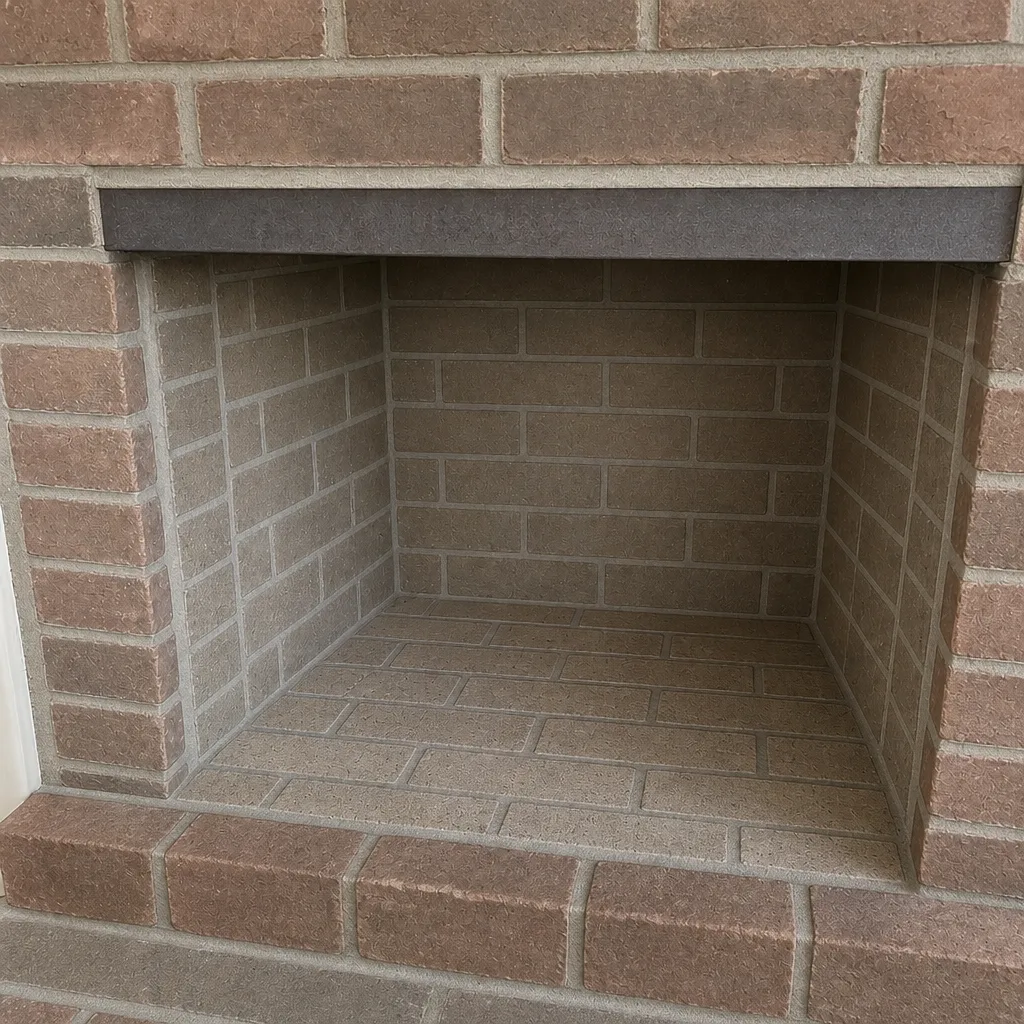 After
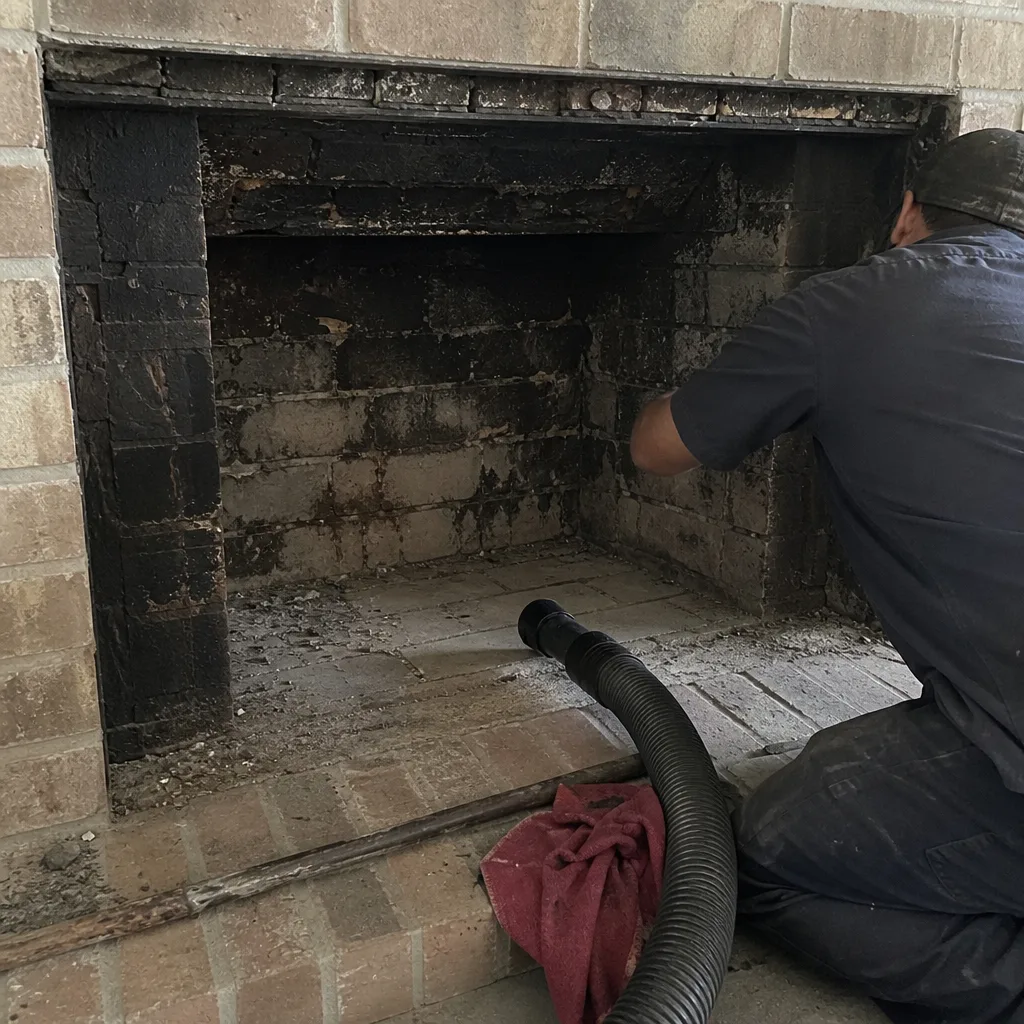 Before
 After
 Before
 After
The Bottom Line
Your chimney’s warning signs are mostly quiet: a white stain, a flaky brick, an odor that’s sharper than it used to be, a puff of smoke that shouldn’t be there. Read them early and the repair stays small. These are the cues most homeowners misread as normal aging, and this guide gives you the vocabulary to know the difference. Inspect the exterior from the ground once a season, watch the firebox for staining and rust, don’t light a fire if you suspect a blockage, and have a camera inspection done before the heating season. Sweep, inspect, repair – handled by one specialist, with professional-grade materials rather than hardware-store substitutes. Your chimney is a system, and we treat it like one.
Contact
If anything in this guide describes your chimney, don’t wait for the next sign. Carrollton Chimney Cleaning handles sweeping, inspection, and repair in Carrollton and the surrounding area, with free estimates and a photo report so you can see what we see. Call (833) 946-9706 for a free estimate. We answer 24/7. Fast dispatch from 7am to 7pm, Sunday through Friday.
Written by the team at Carrollton Chimney Cleaning.