
Last updated November 15, 2026
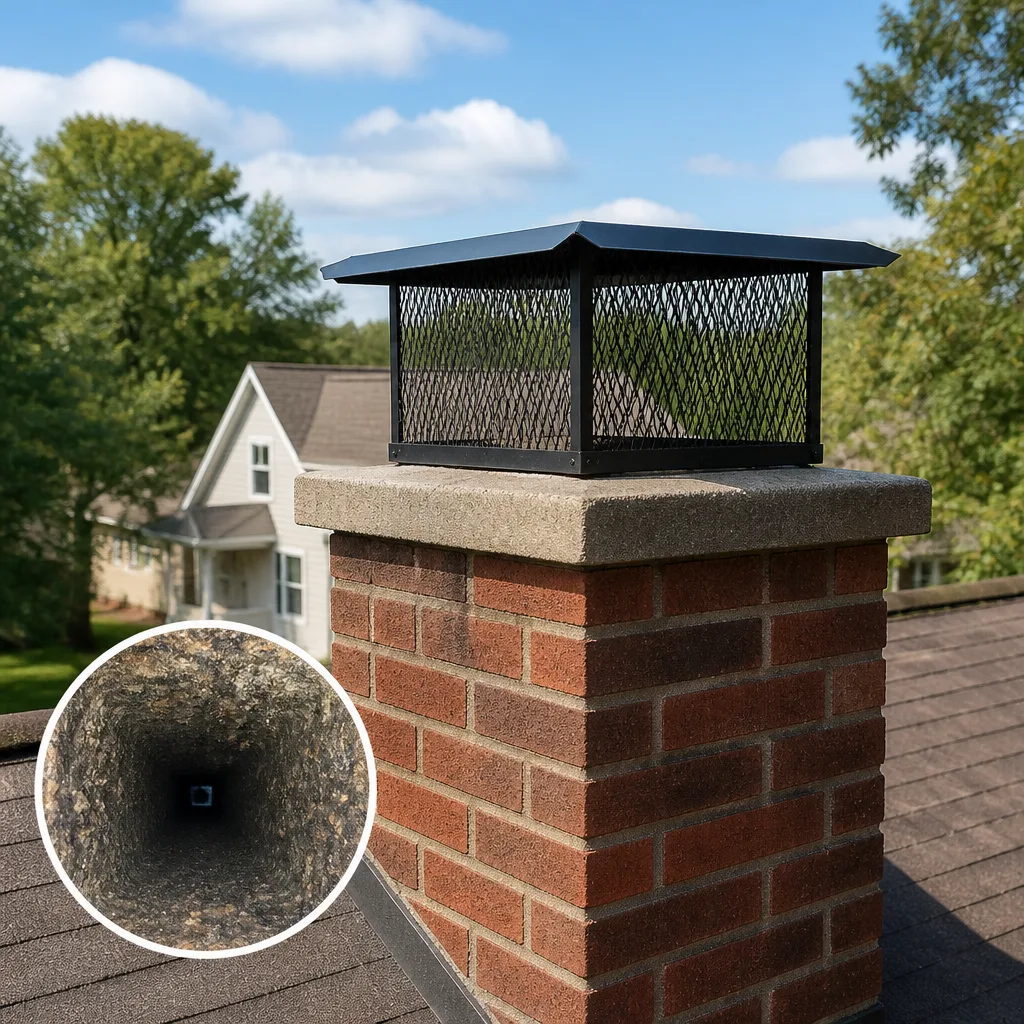 Sweep & inspection
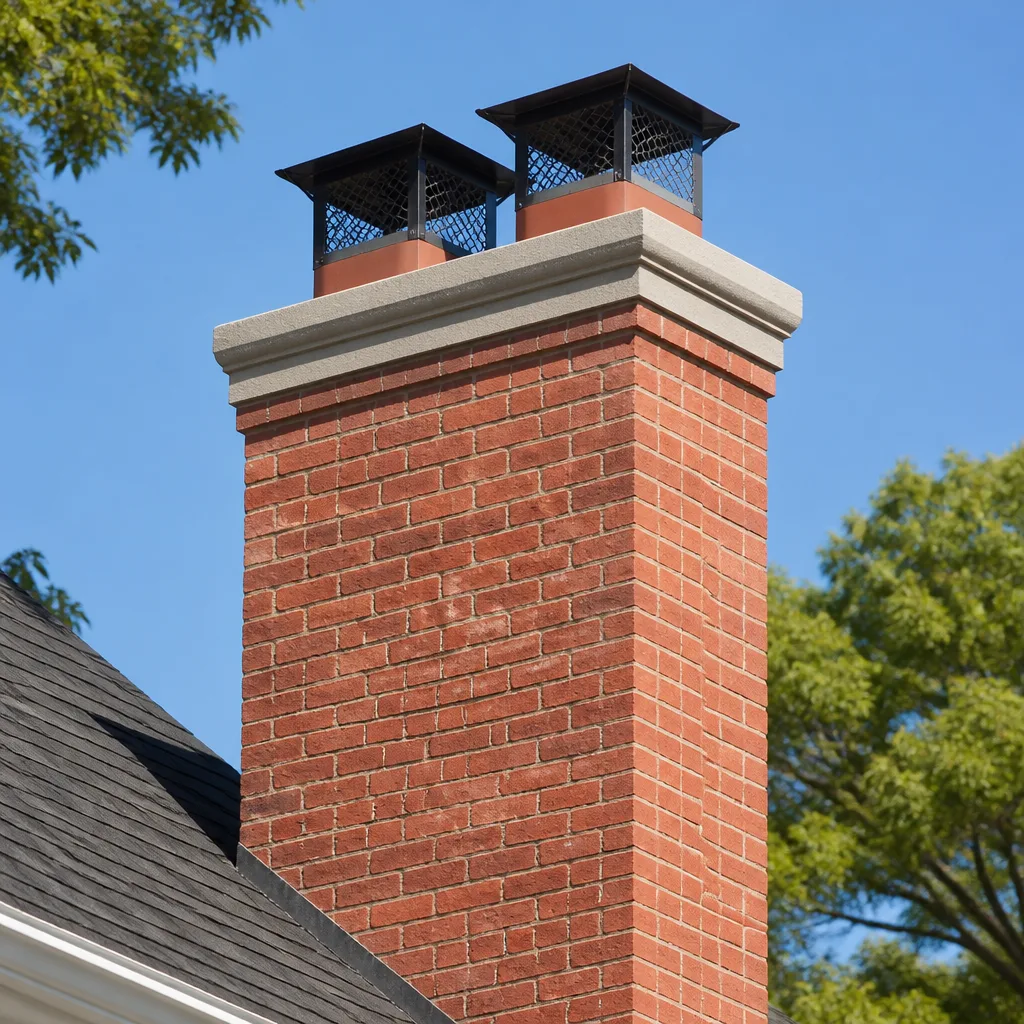 Caps & crowns
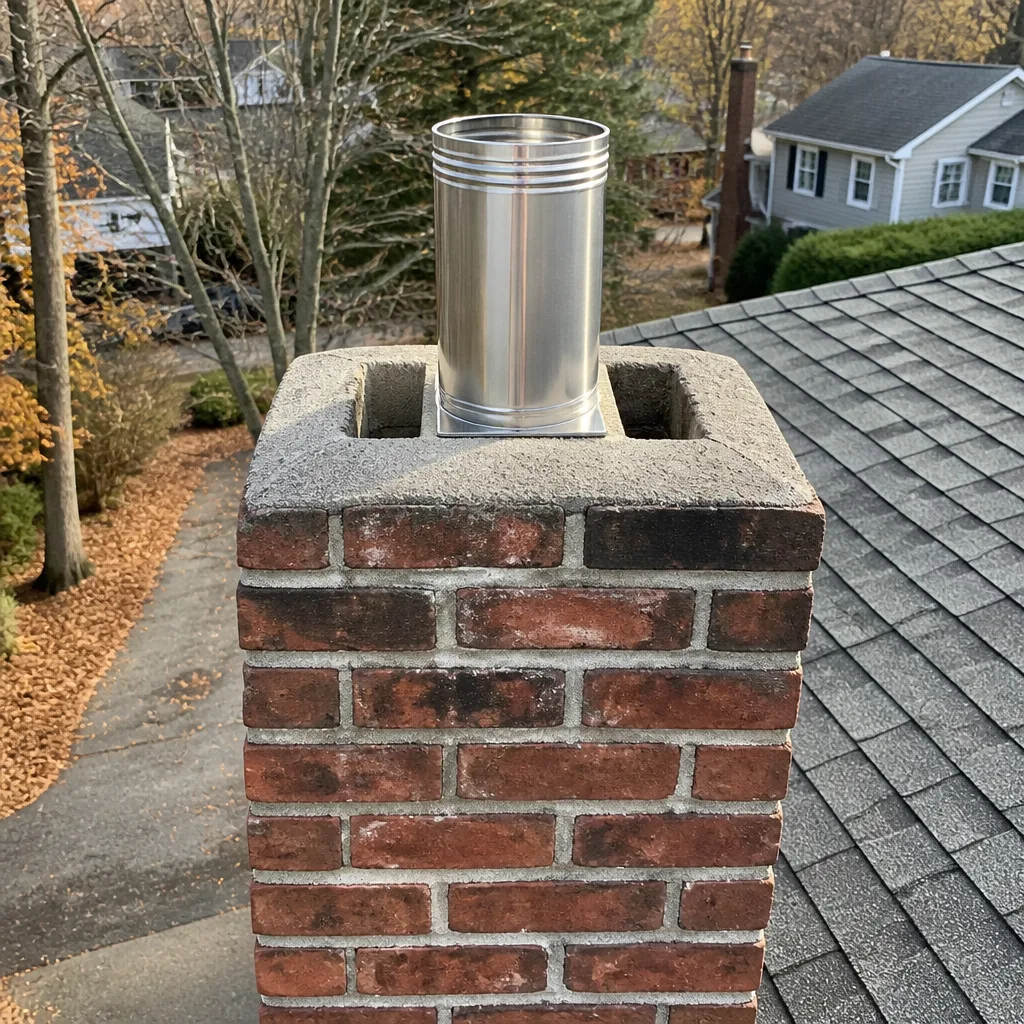 Flue relining
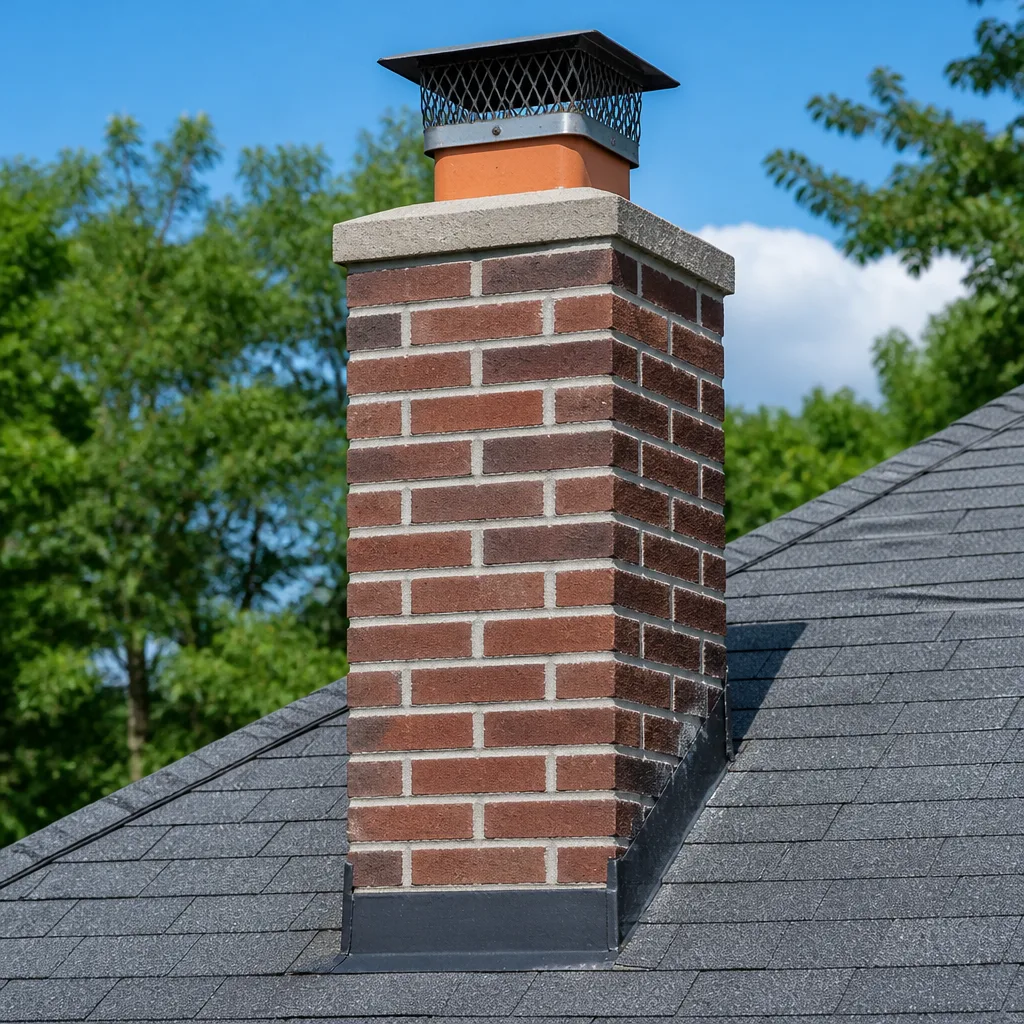 Masonry repair
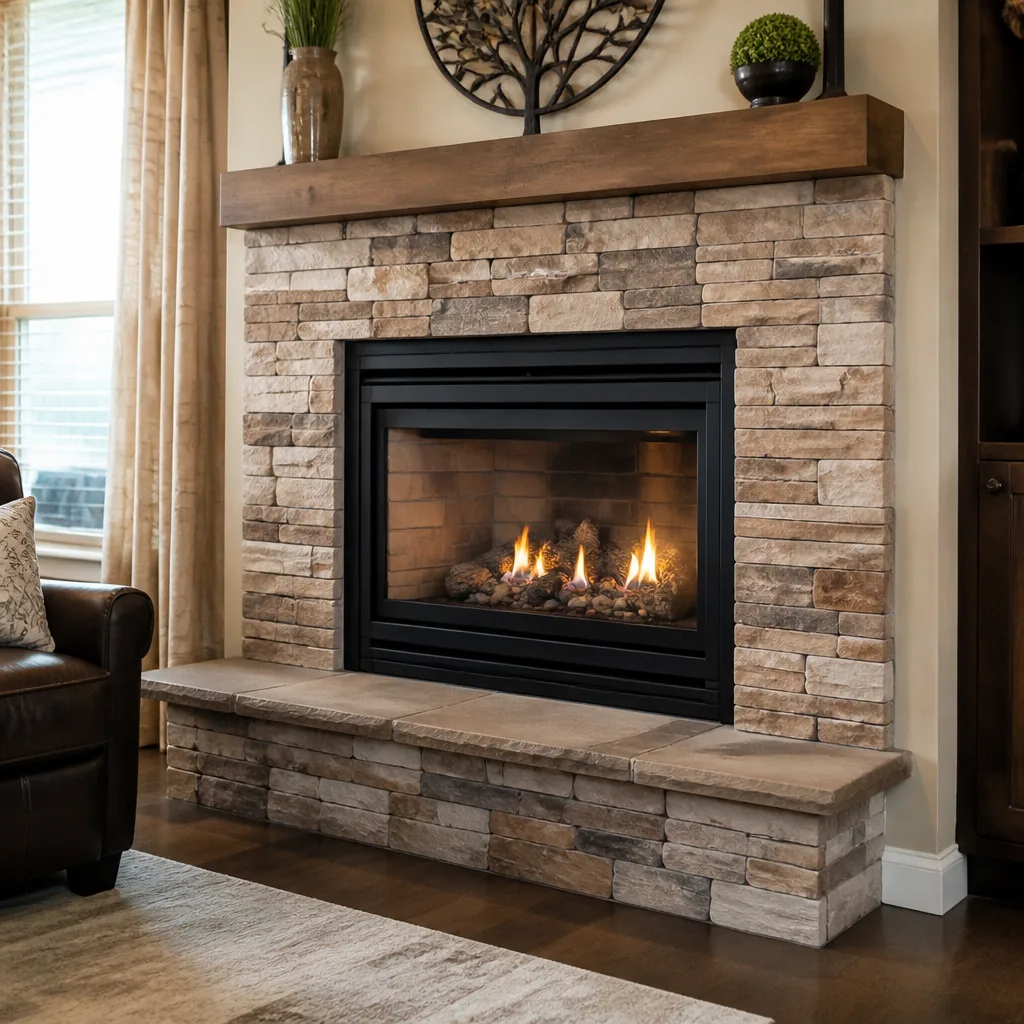 Gas fireplace service
Level 1 sweep and inspection to the NFPA 211 annual standard - flue, crown, cap, and flashing checked and photographed
Chimney sweep logs do not sweep chimneys. They loosen some creosote - which then falls where a brush and vacuum still have to collect it.
Chimney Cleaning Permits, Codes & Inspections in Carrollton, TX: What You Need to Know
Most homeowners assume chimney work never touches permits or code. That assumption is usually fine for a routine sweep and often wrong the moment a repair begins. Here’s the counterintuitive part: the chimney liner work that got done correctly and never caused a single problem can still become a problem when you sell your Carrollton home, because a buyer’s inspector is not looking at how well it works – they’re looking at whether the paperwork matches the work. This guide covers which chimney services in Carrollton need a permit from the City of Carrollton Building Inspections office and which don’t, how the International Residential Code applies to chimney work here, what a Level 2 inspection is and when it’s required, and how unpermitted work can reach into a Texas insurance claim. It’s the paperwork side of chimney safety, explained plainly.
Quick Answer
In Carrollton, routine chimney sweeping is a maintenance task and does not require a permit. Structural chimney work – relining, cap and crown replacement, masonry repair – commonly does require a permit from the City of Carrollton Building Inspections office, and the International Residential Code governs how that work must be done. A Level 2 inspection is required at real estate transactions, after a chimney fire, and after weather events that could damage the flue, and unpermitted chimney work can complicate both a home sale and a Texas homeowner’s insurance claim.
Styles & brands we work with
- Sweep & inspection
- Caps & crowns
- Flue relining
- Masonry repair
- Gas fireplace service
Table of Contents
- Which chimney services in Carrollton need a permit?
- How the International Residential Code applies to chimneys in Texas
- What a Level 2 inspection is and when it’s required
- How unpermitted chimney work can affect Texas insurance coverage
- How to ask your contractor for permit documentation
- The paperwork to keep after chimney work in Carrollton
- Common mistakes to avoid
- When to call a professional
Which Chimney Services in Carrollton Need a Permit?
Think of chimney work in Carrollton as split down the middle: the cleaning side is maintenance, and the building side is construction. Sweeping sits firmly on the maintenance side. So does a visual inspection. The moment the work changes the structure of the chimney – its liner, its cap, its crown, its masonry – you’re in construction territory, and the City of Carrollton Building Inspections office is the agency that governs it.
Here’s how the split usually looks for Carrollton homeowners:
- Permit-exempt, routine maintenance: chimney sweeping, a standard Level 1 inspection, replacing a worn cap with a comparable one, and routine checks of the firebox and damper.
- Permit likely required: relining a chimney with a new liner system, installing a cap or top-sealing damper where the flue was open, rebuilding a crown, repointing or rebuilding damaged masonry, and any repair that changes the flue’s dimensions or material.
- Ask before you assume: fireplace insert installations, flue conversions, and anything that touches a gas appliance’s venting. These often involve mechanical permitting in addition to building permitting.
We always tell Carrollton homeowners the same thing: confirm the permit question with the City of Carrollton Building Inspections office before booking the repair, not after. Requirements can vary by the scope of the job, and a quick phone call to the city settles it. The chimney code side matters too – a permit isn’t just a fee, it’s the city’s confirmation that the work will be inspected to the International Residential Code. Professional-grade materials like a DuraFlex liner system or an Olympia Chimney cap are only half the equation; the other half is the paperwork trail that proves the work was done right.
One more thing worth knowing: the permit is pulled by the contractor doing the work, not by the homeowner. That’s the natural dividing line between a routine chimney sweep and a structural repair – one gets logged in the service record, the other gets logged with the city.
How the International Residential Code Applies to Chimney Work in Texas
The International Residential Code, or IRC, sets the national baseline for how chimneys and vents must be built. Texas adopts the IRC through its own code cycle, and local jurisdictions like Carrollton apply it through their building inspections office. The practical point: your chimney repair isn’t judged by local taste or contractor preference – it’s judged against the IRC’s requirements for clearances, liner materials, and ventilation.
The IRC requirements that come up most in chimney work here include:
- Clearances: the distance between the chimney and combustible framing, insulation, and roof materials. A repair that closes a gap the original builder left open has to keep those clearances intact.
- Liner integrity: a flue needs a continuous, correctly sized liner for the appliance it serves. This is where relining with a DuraFlex system or resurfacing with a HeatShield product earns its keep – both restore the liner’s continuity to the IRC’s requirement rather than just patching what’s visible.
- Cap and top protection: a cap at the flue’s top prevents rain and animals from entering, and the IRC’s venting rules assume the chimney is protected. Gelco and Famco cap solutions are the practical materials for that job.
- Appliance-specific venting: a wood-burning fireplace, a gas insert, and an oil flue each have their own venting rules. A repair that’s correct for one appliance can be wrong for another.
Carrollton’s winters are mild, but that doesn’t lighten the IRC’s load on your chimney. The reason is that mild weather extends the burning season – more fireplaces get used into spring than in a colder climate – and it doesn’t change the liner or clearance requirements at all. The IRC doesn’t care about the weather outside; it cares about the flue’s construction. That’s why in our experience the same rules apply whether a chimney in Carrollton was last used in December or in March.
Local amendments are worth one phone call to the Building Inspections office if you’re planning a repair. The IRC is the base; the city’s amendments are the overlay, and a licensed contractor working in Carrollton should know both. If a contractor can’t tell you which code cycle Carrollton is on and how it applies to your repair, that’s a sign to slow down.
What a Level 2 Inspection Is and When It’s Required
A Level 2 inspection is the inspection a real estate transaction, a chimney fire, or a major weather event legally requires – it goes beyond what a Level 1 visual check covers, reading the flue’s interior with a camera and documenting the results with photos. It’s the inspection tied to a specific event rather than routine maintenance, and it’s the one that most often uncovers a problem no one knew about.
The three inspection levels break down like this:
- Level 1 inspection: a visual check of the accessible portions of the chimney, firebox, and flue, done at a routine sweep or when a chimney’s service history is known. It’s the right level for a homeowner who’s been burning regularly and has had the chimney swept.
- Level 2 inspection: a camera inspection of the flue’s interior, the firebox, and the chimney’s accessible exterior, plus a photo report. This is the one required at real estate transactions, after a chimney fire, and after a weather event that could have damaged the flue. In Carrollton, a Level 2 inspection is the single most important document a buyer or seller will want for the chimney.
- Level 3 inspection: an inspection that may require removing parts of the chimney or its surroundings to reach hidden areas. It’s reserved for a suspected hidden defect that lower levels can’t resolve, and it’s not something you’d book routinely.
In our experience, the Level 2 is where unpermitted work gets caught. A camera inspection sees the liner’s interior in a way a visual check can’t, and a photo report turns what’s inside the flue into evidence that a buyer’s inspector and an insurance adjuster can both read. That’s why the Level 2 is standard practice at real estate transactions: it’s the honest starting point for both sides.
The camera inspection and photo report come with every inspection we perform, and if you’re selling a Carrollton home, it’s worth booking a Level 2 before the buyer’s inspector books theirs. Finding a liner issue on your schedule is always a better conversation than discovering it during a sale.
How Unpermitted Chimney Work Can Affect Texas Insurance Coverage
Unpermitted chimney work can put a claim at risk in Texas because a homeowners policy is built on the assumption that work on the home was done to code. When an adjuster investigates a claim and finds a relined chimney with no permit and no inspection record, the question becomes whether the damage connects to that unpermitted work. If it does, the insurer may dispute or deny the portion of the claim tied to it.
The scenario that plays out most often isn’t dramatic. It usually looks like this:
- A chimney was relined after a problem was found, but the work was never permitted or inspected.
- Years later, a fire or water claim involves the chimney area.
- The adjuster asks for the work record; the homeowner has a receipt but no permit and no inspection report.
- The claim’s chimney portion becomes a negotiation rather than a straight payout.
The other place this surfaces is a home sale. If a buyer’s inspector finds unpermitted liner work, the seller can be required to tear it out regardless of whether it was done correctly – a costly outcome made worse by the records that don’t exist. The same logic applies on the insurance side: a policy can’t be voided by unpermitted work in the abstract, but a claim that connects to unpermitted work is a claim the insurer will scrutinize.
We always tell Carrollton homeowners that “built to last, not patched to pass” isn’t just about materials – it’s about documentation. A repair done with a HeatShield resurfaced liner or a DuraFlex liner system is only fully defensible if the permit and inspection record exist alongside it. If you’re wondering whether existing work on your Carrollton home is permitted, the answer is usually a Level 2 inspection and a call to the city. Start with the camera, then the paperwork; we can help with the chimney repair side once you know where you stand.
How to Ask Your Contractor for Permit Documentation
The right way to ask a contractor for permit documentation is to ask before work begins, in writing, about three things: which permits the job requires, who is pulling them, and where the inspection record will live after the job is done. A contractor who knows the process will answer those questions immediately, and one who deflects them is telling you something about the process they’re running.
Here’s how to have that conversation, step by step:
- Ask for the permit scope. “Is a permit required for this repair, and if so, which one?” For a relining or a cap replacement in Carrollton, the answer should be immediate. If the answer is “probably not,” ask them to confirm with the City of Carrollton Building Inspections office before you book.
- Ask who pulls the permit. It should be the contractor doing the work, under their license and in their name. A repair permitted in the homeowner’s name can leave the homeowner holding the responsibility for the inspection record.
- Ask for the inspection date and what the inspector will verify. The permit isn’t complete when it’s pulled; it’s complete when the city inspection closes. Ask what the inspector looks at for your specific job.
- Ask what documentation you’ll receive at the end. A permit number, an inspection close-out, and a written report with photos should all end up in your file.
- Ask whether the repair’s materials have any certification behind them. A HeatShield resurfacing or a DuraFlex liner system comes with manufacturer documentation, and a contractor who works with those products regularly will have it ready.
That conversation is short, and it does more than any review profile to establish who you’re working with. Anyone can talk about a “code-compliant” repair. Only a contractor can show you the permit number that proves it. A good question to keep in reserve: “If I sold this house next year, what paperwork would I hand the buyer’s inspector?” A contractor who has done permitted work answers that easily.
The Paperwork to Keep After Chimney Work in Carrollton
What you keep after the job is what protects you later, and it’s a short list. A permit close-out, an inspection report with photos, the manufacturer documentation for any liner or cap materials, and the signed service record are the core documents. Keep them together, not scattered – when an insurance adjuster or a buyer’s inspector asks, you want a single file you can hand over.
The documents worth keeping, by type of work:
- After a sweep: a service record with what was serviced and any notes on condition. It’s not a permit document, but it establishes a maintenance history, which matters to an insurer and to a buyer.
- After an inspection: the full report with photos, the inspection level performed (Level 1, 2, or 3), and the inspector’s findings. This is the document a real estate transaction will rely on.
- After a repair: the permit number, the city inspection close-out, and the manufacturer documentation for the liner, cap, or resurfacing product used. A HeatShield resurfacing record or a DuraFlex liner installation record belongs in the file.
- After a cap or cover installation: the product documentation for the cap, whether a Gelco or Famco model, along with the service record.
For a Carrollton homeowner, one habit makes everything easier: keep a single folder – paper or digital – for the chimney’s documents. When a buyer or an adjuster asks, you open the folder. When there’s no folder, the conversation gets harder and the repair gets more expensive. If you’re not sure what documentation your existing chimney work has, a Level 2 inspection with a photo report is the cleanest way to start rebuilding the file.
What Chimney Work and Documentation Typically Cost in Carrollton
The permit and documentation side of chimney work carries its own typical costs in Carrollton, and it’s worth separating them from the repair itself. A routine sweep is priced per job by written estimate. A Level 2 inspection, a permit for a structural repair, and the inspection that closes that permit are separate line items, each priced on its own.
The line items that make up the typical total:
- Routine chimney sweep: a flat price agreed before booking, with the camera inspection and photo report included. There’s no fee for the estimate itself.
- Level 2 inspection: priced as its own service, with the written camera report delivered afterward.
- Permit fees: set by the City of Carrollton Building Inspections office and paid by the contractor as part of the job. They vary by scope and shouldn’t be guessed at in advance – ask the contractor for the permit line on the estimate.
- Structural repair: priced per job, by written estimate, with the permit and inspection costs itemized separately from the labor and materials.
We never quote a price in a guide like this, because the estimate sets the final price and the work varies. What we can say is that a written estimate should always show the permit line if the job requires a permit – if it doesn’t, ask why. A repair contract without a permit line is either a job that doesn’t need a permit (fine, and the contractor should tell you why) or a job that needs one and isn’t in the paperwork (not fine). The best Carrollton Chimney Cleaning estimate we can give you is one with every line on it, so you can see the cost of the repair and the cost of the documentation side by side.
For a Carrollton homeowner planning a structural repair, the smart move is to ask for two numbers up front: the repair’s estimate and the permit and inspection line. That’s the total you’re actually committing to, and it’s the number that belongs in your file when the work closes.
Why Carrollton’s Climate and Housing Shape Chimney Needs
Carrollton sits on the northern edge of the Dallas-Fort Worth metroplex, and its climate and housing stock shape chimney work in ways that matter for inspections and permits. The winters are mild, which stretches the burning season rather than shortening it, and the hotter months do their own work on a chimney’s exterior – the sun and the summer storms that roll through North Texas are the ongoing stressors, not snow.
Here’s what that means in practice:
- A longer burning season: mild weather means a fireplace gets used into spring and again by late fall. More burns per year means creosote builds up at a pace that’s easy to underestimate. Routine sweeps matter more here than in a climate with a short winter.
- Summer storms: North Texas storms can loft debris into a flue and stress a chimney cap. A cap that’s lost its seal, or a crown that’s cracked, turns into water intrusion the next time it rains. A cap and crown inspection after a major storm is why a Level 2 is worth booking after a weather event.
- Housing stock: Carrollton’s neighborhoods span a wide range of build eras and styles, and the chimney’s construction – masonry versus a factory-built flue – drives what a repair looks like. A chimney in an older part of Carrollton may have a different liner setup than one in a newer neighborhood, and the code path differs accordingly.
- Attic and roof access: the roof lines and attic layouts common in Carrollton mean a chimney’s exterior portion is often more accessible than its flue’s interior, which is exactly why camera inspection earns its place.
None of this changes the permit question. What it changes is how often a Carrollton chimney needs to be looked at, and how much the local climate pushes toward a camera inspection rather than a quick visual check. If you’ve noticed draft problems, odors, or visible damage, that’s the signal to book a Carrollton inspection rather than wait for the next sweep.
Common Mistakes to Avoid
- Assuming all chimney work is permit-exempt. Sweeping isn’t, relining is. The mix-up is the single most common paperwork problem we see, and it surfaces years later at a home sale or an insurance claim.
- Letting the homeowner pull the permit. A repair permitted in the homeowner’s name puts the inspection responsibility on the homeowner, not the contractor. It should be pulled by the business doing the work.
- Skipping a Level 2 at a real estate transaction. A Level 1 visual check can miss a liner problem a camera would catch. In a Carrollton sale, the Level 2 is the document the buyer’s inspector will ask for.
- Accepting a “code-compliant” repair with no paperwork. Code compliance is something the city inspection confirms. Without a permit and a close-out, “code-compliant” is a claim, not a record.
- Not asking for manufacturer documentation. A HeatShield resurfacing or a DuraFlex liner system comes with product documentation, and that paperwork is part of your file when an insurer or buyer asks what was installed.
- Treating the chimney cap as an afterthought. A cap that fails lets water into the flue. A cap and crown inspection is a small repair that prevents a much larger one, and it’s worth checking after a storm.
- Not keeping the inspection report with the service record. A photo report that’s lost is an inspection that didn’t happen, as far as the next buyer or adjuster is concerned. Keep them together.
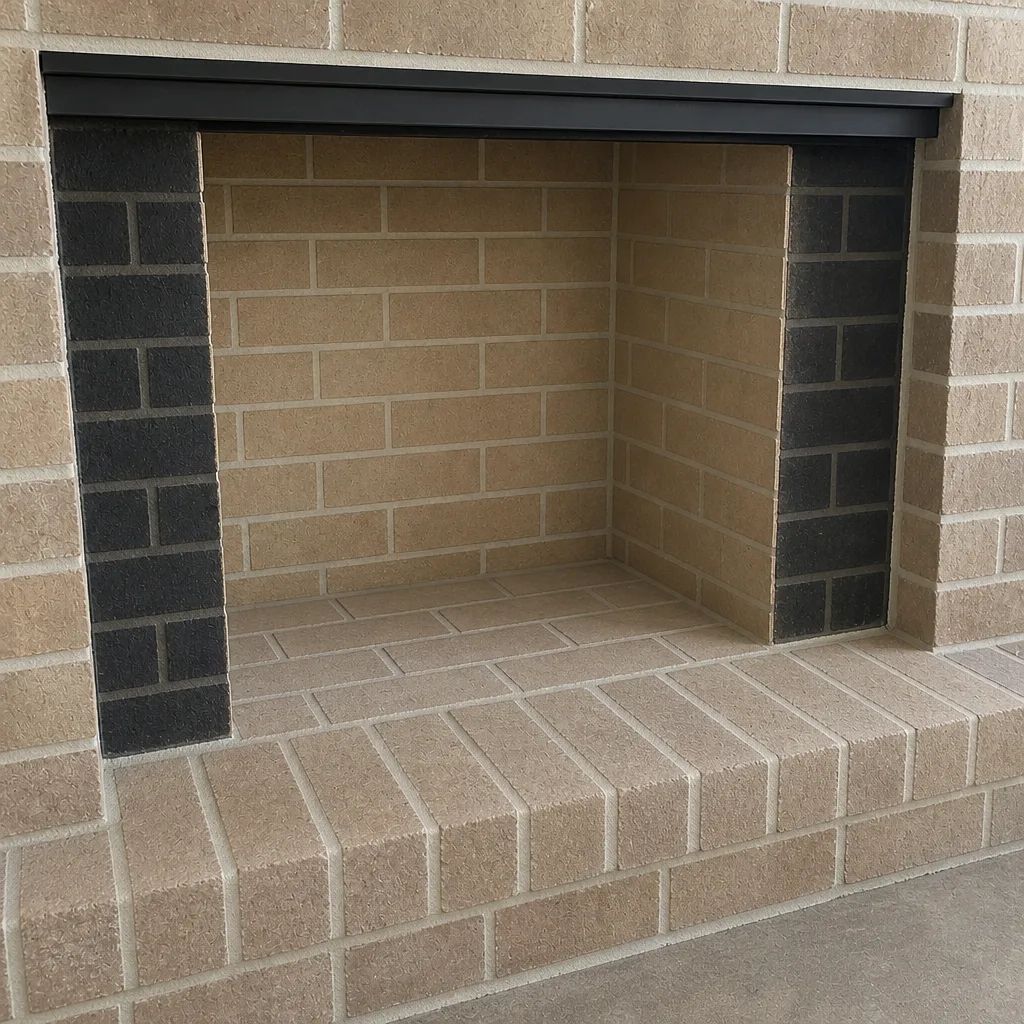
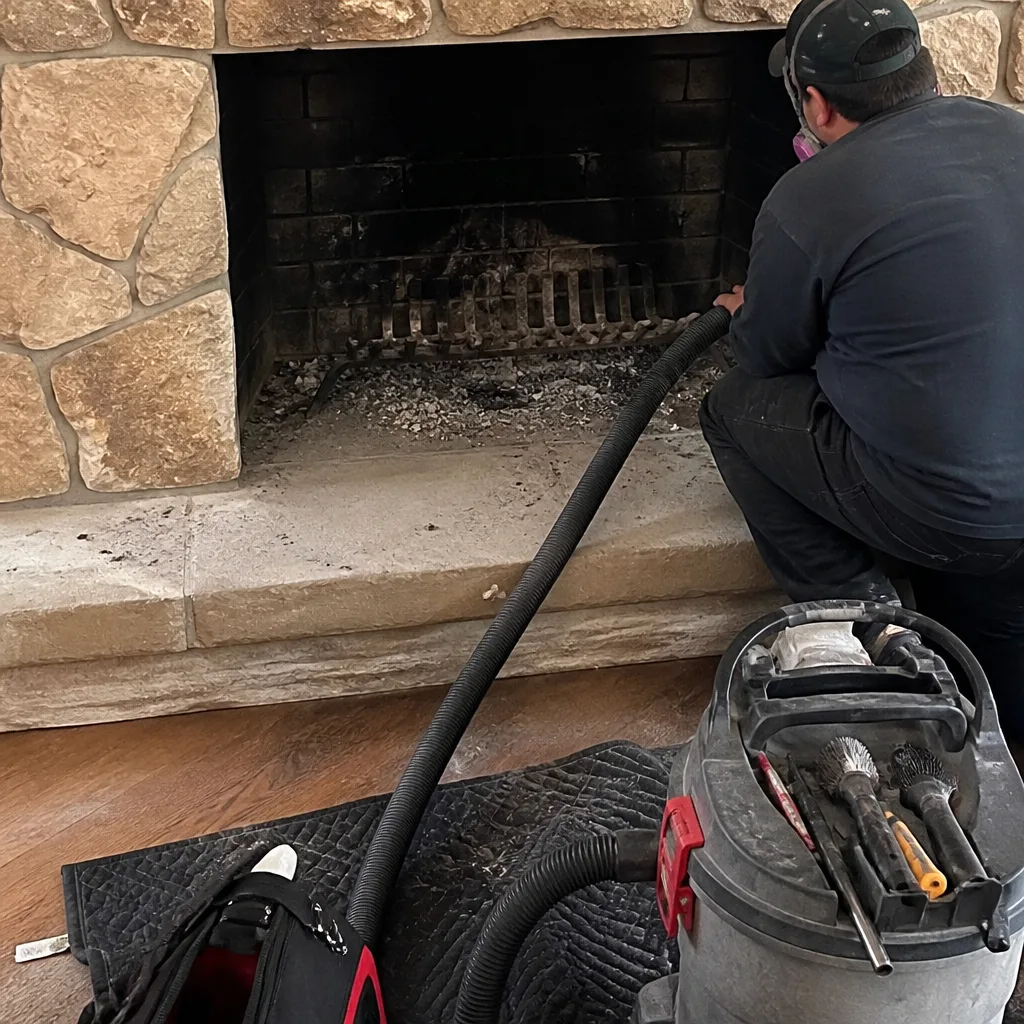
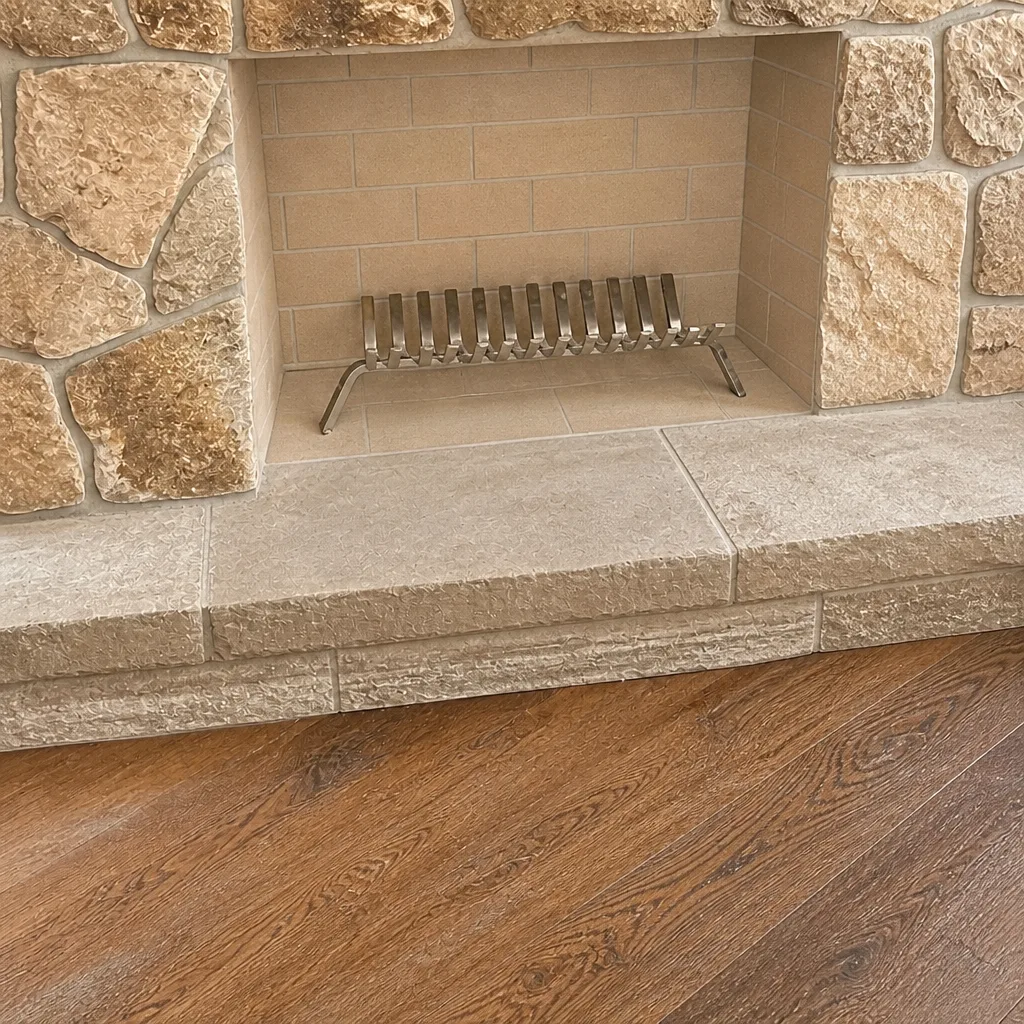
See the difference
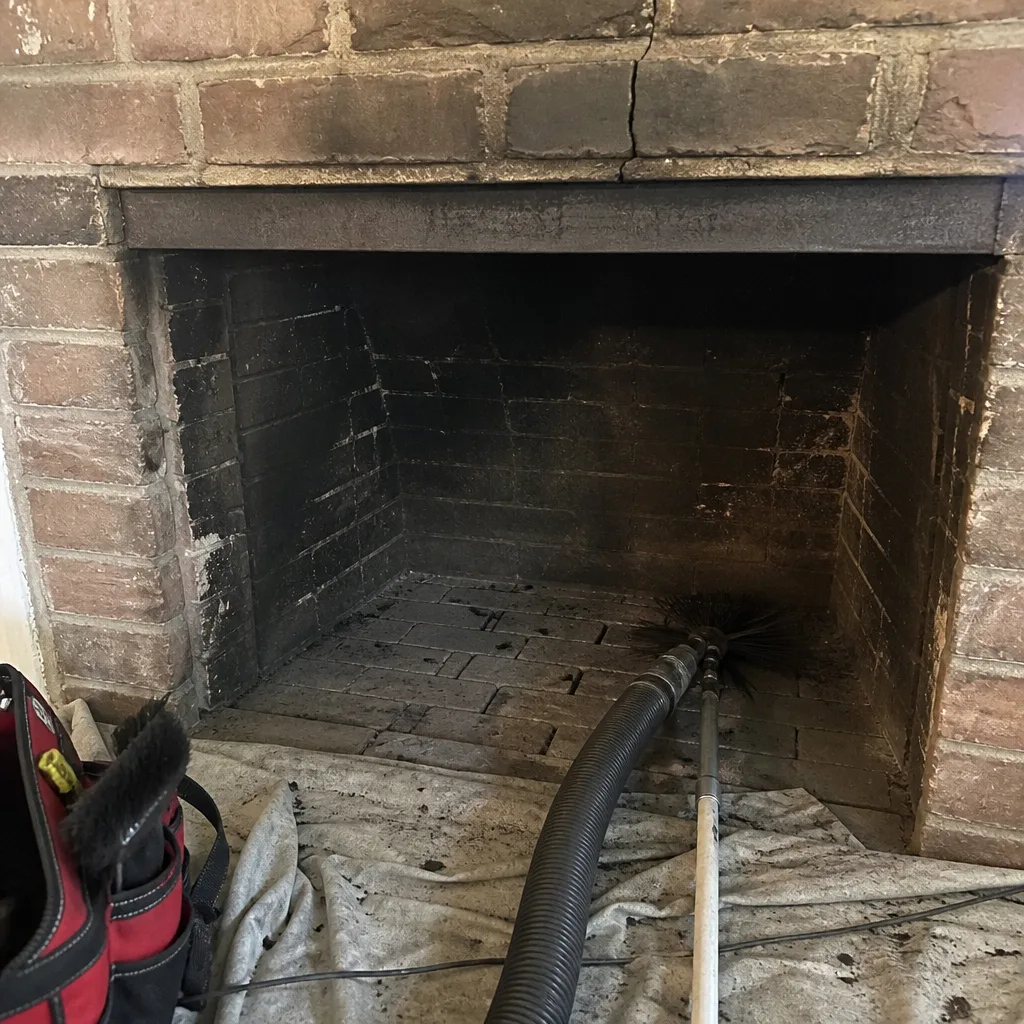 Before
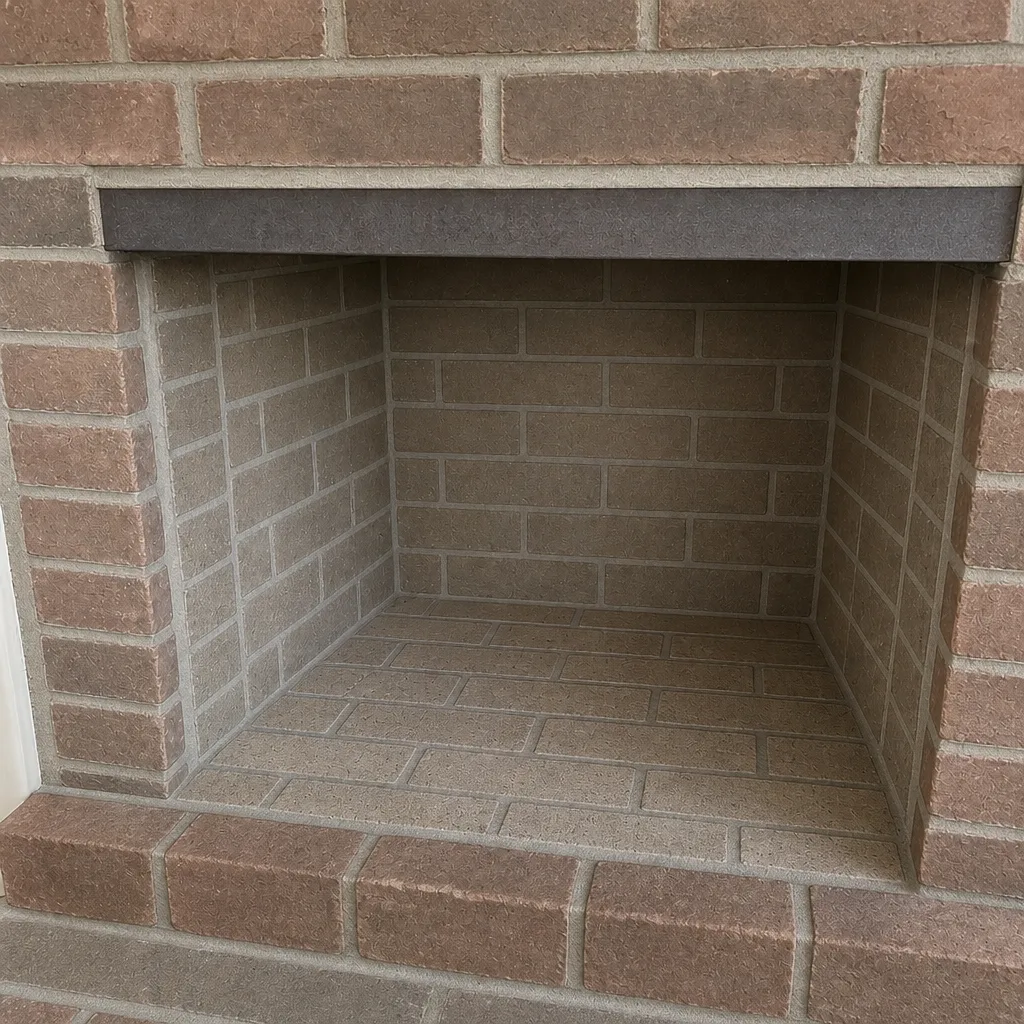 After
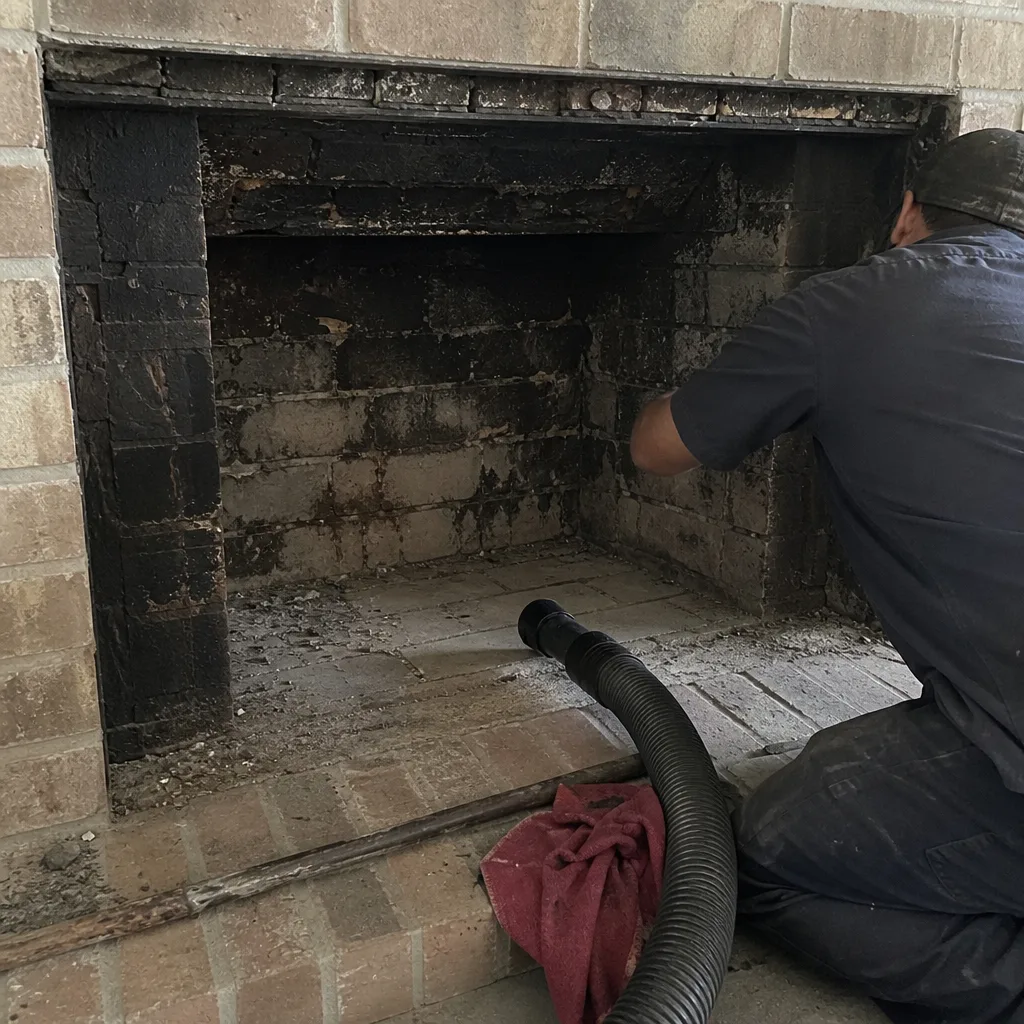 Before
 After
 Before
 After
When to Call a Professional
Some chimney situations are a phone call, not a project. You’re in that territory when you’ve bought a Carrollton home within the past year and the chimney’s service history is unknown. You’re there when a repair was done at some point but there’s no permit number in the file. A chimney fire, even a small one, puts you there too – the inspection after a fire is a Level 2, and it’s not optional. Visible damage to the cap, crown, or masonry, draft problems, smoke backing into the room, or odors from the flue are all reasons to book an inspection before the next fire. In our experience, the homeowners who call early spend less than the ones who discover the problem during a transaction. Carrollton Chimney Cleaning offers free estimates in Carrollton. Call (833) 946-9706. We answer 24/7. Fast dispatch from 7am to 7pm, Sunday through Friday.
Frequently Asked Questions
No. Routine chimney sweeping in Carrollton is a maintenance task and does not require a permit. Structural chimney work – relining, cap and crown replacement, and masonry repair – commonly does require a permit from the City of Carrollton Building Inspections office. If you’re planning a repair, ask the city before booking. Call (833) 946-9706 for an exact quote on a sweep – estimates are free.
In most cases, yes. A chimney liner replacement changes the flue’s structure and requires a permit through Carrollton’s building inspections office. The permit is pulled by the contractor doing the work, not the homeowner, and the job isn’t complete until the city inspection closes. If a contractor tells you a relining doesn’t need a permit, ask them to confirm with the city in writing. Call (833) 946-9706 for a free estimate on the repair side.
A Level 2 inspection is a camera inspection of the flue’s interior with a written photo report. You need one when you buy or sell a home, after a chimney fire, and after a weather event that could have damaged the flue. It’s also the right inspection when a chimney’s service history is unknown. In Carrollton, it’s the document a buyer’s inspector will ask for. Call (833) 946-9706 to book one – estimates are free.
It can put a claim at risk. If an adjuster investigates a claim and the chimney work involved isn’t permitted or inspected, the portion of the claim tied to that work can be disputed. Unpermitted work doesn’t void a policy in the abstract, but a claim that connects to it gets scrutinized. A permit and inspection record is what makes a repair defensible. If you’re unsure about existing work, a Level 2 inspection is the place to start – call (833) 946-9706 for a free estimate.
The International Residential Code, adopted by Texas and applied locally through Carrollton’s building inspections office, governs chimney work. It covers clearances from combustibles, liner integrity and sizing, cap and top protection, and appliance-specific venting rules. Local amendments can adjust how those rules apply, so confirm the current requirements with the city before a structural repair. For help reading your chimney against the code, call (833) 946-9706 for a free estimate.
A chimney used regularly should be swept once a year and inspected at the same visit, and more often if you burn heavily. Carrollton’s mild winters stretch the burning season, so creosote can build up faster than a short winter would suggest. A Level 1 inspection is typical at a routine sweep; a Level 2 is needed after a fire, a weather event, or a real estate transaction. Call (833) 946-9706 to book a sweep – estimates are free.
The Bottom Line
The paperwork side of chimney work in Carrollton matters as much as the repair side. Sweeping is maintenance and needs no permit. Relining, cap replacement, and masonry repair commonly do, and the International Residential Code is the standard the city inspection applies. A Level 2 inspection is required at real estate transactions, after a fire, and after a weather event, and it’s the document that protects you at a sale or on a claim. Unpermitted work can complicate a Texas insurance claim and can be torn out during a sale even when it was done correctly. Get the permit, get the inspection, keep the file, and you’ve done the part most homeowners skip.
If you’re ready to start with an honest inspection or book a sweep, call Carrollton Chimney Cleaning at (833) 946-9706 for a free estimate. We answer 24/7. Fast dispatch from 7am to 7pm, Sunday through Friday. Sweep, inspect, repair – handled by one specialist, with professional-grade materials and the documentation to match.
Written by the team at Carrollton Chimney Cleaning.